Angry Birds 2 and the Animation Stigma

Animated films have been around for well over 50 years, and they first came to be to show the potential of Cinema, to be able to show what is effectively art on the big screen. When these films first came out they were intended to have mass appeal to be viewed and enjoyed by everyone, but somewhere over the years animated films became just for children; with everyone who is not a child and likes them being made to feel some shame about it. How did it get to be this way? Well, probably because early cartoons and animated features were aimed at more mature audiences and had humour and themes that adults would respond to and enjoy, an excellent example of this would be the Flintstones. However, as this new medium began to grow companies and executives, began to think about merchandise. Adults weren’t buying merchandise, or at least not to the same scale kids would in the decades later, so companies started to release new animated films and cartoons that would appeal to kids, viewing them as an untapped market. This brought the era of “Saturday Morning Cartoons”, and though in more recent times there has been a rise in adult animation again with the likes of South Park and Rick and Morty, animation is still seen as something mainly aimed at kids; all because of that one fateful shift. This is a massive shame because it means a lot of people miss out on some of the best stories and films because they think they’re too old for them; which is entirely untrue. Everyone can enjoy animated movies and to think differently is not only dumb but, also funding the trend of live-action remakes I have previously mentioned. That brings me to today’s subject, Angry Birds 2. I fell victim to the preconceived notion of what animated films were when I went to see this; I was proven to be a fool, and henceforth will go and see animated films with an open mind.
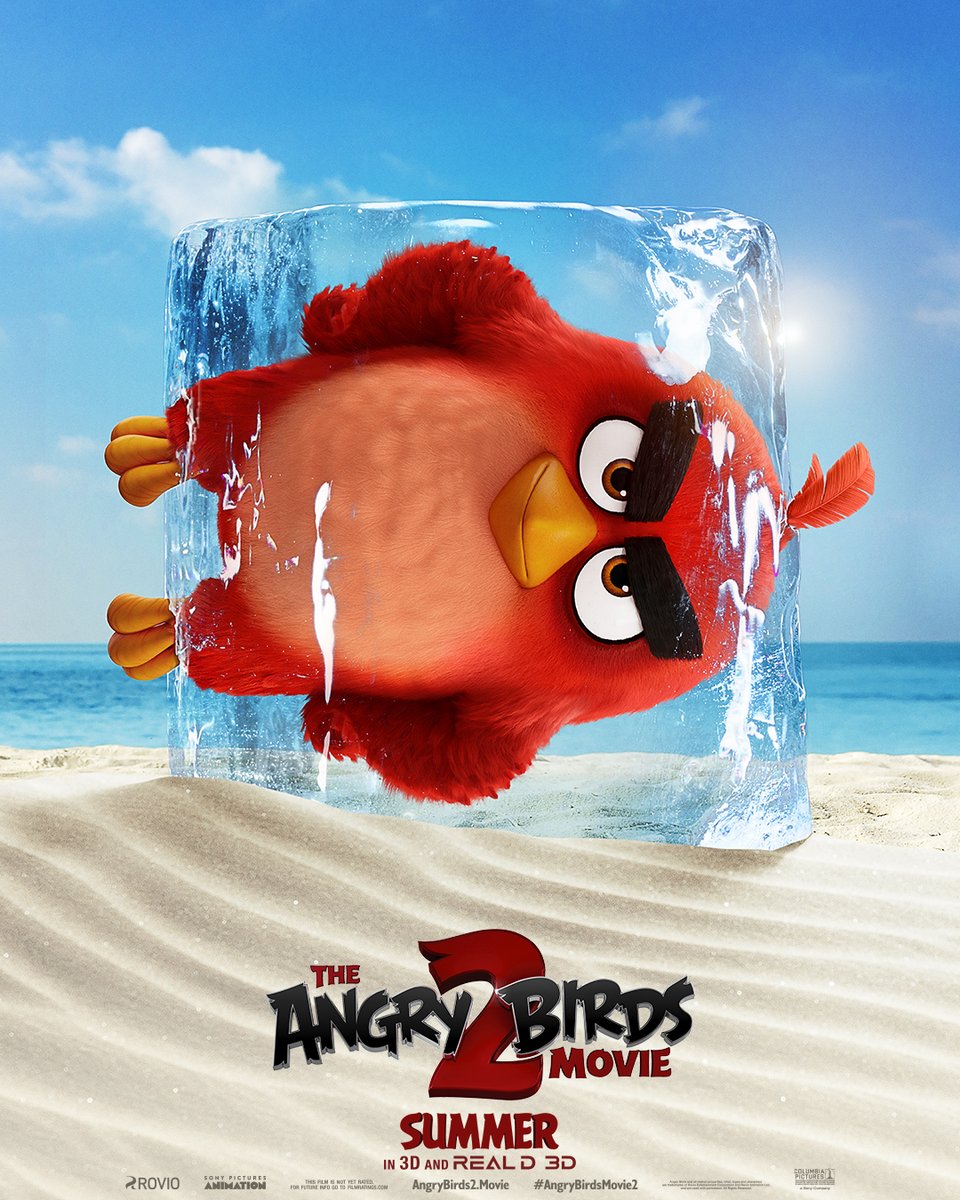
Angry Birds 2, is an animated adventure comedy, based on the mobile game of the same name. In this instalment, the heroic Birds are forced to team up with their Piggie rivals when an even more significant threat appears which could spell the end for both civilizations. I thought the animation was beautiful, with each character having a clear and distinct look. The voice cast all worked well too; they didn’t bring me out of the film to think ‘oh that’s Danny McBride’, which helped me to get lost in the world far more quickly. The themes of the film while not new, the fear of being forgotten, or alone, resonated with me and I thought Red’s, (Jason Sudeikis), character arc over the film was well done and added something to the character. With the over characters adding nicely here and there. For me, the real highlight of the film was the side story of the Hatchlings, who lost one of their member’s little sisters and so had to go through a series of wacky adventures to try and get them back, each more whimsical and unbelievable than the last. I believe it is these sequences that capture the heart of the film, and I would gladly watch a whole film just focusing on the Hatchlings and their adventures.
To Conclude, animation is something that can and should be enjoyed by people of all ages, as these tales have something to offer us all; and Angry Birds 2 proves that and shows how great and touching a film can be.

4/5
Reviewed by Luke
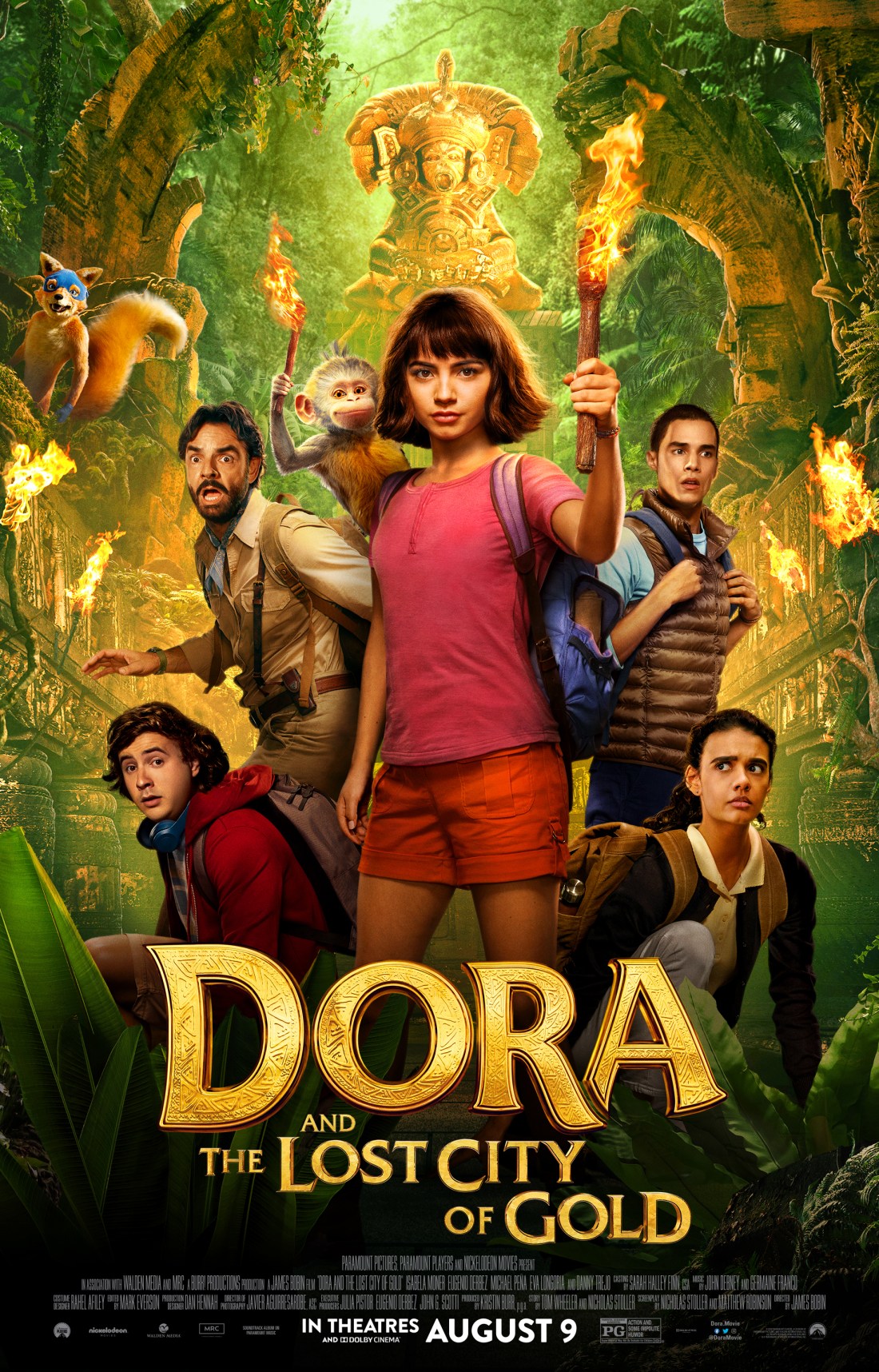
Dora and the Lost City of Gold

Dora and the Lost City of Gold is a family action and adventure film based, of the Dora the Explorer kids TV program. The plot revolves around Dora, (Isabela Moner), going to the city after her parents go away on an expedition. Once there she meets her cousin Diego, (Jeff Walhberg), who she has not seen in 10 years and tries to adapt to high school; then through a strange series of events ends up being shipped back to the jungle to try and track down the titular Lost City of Gold, Diego and plucky group of friends in toe. Now before I get into it, the main reasons I wanted to see this film was that it looked hilariously bad and, because it hit me with a lot of nostalgia from my childhood. I wasn’t disappointed the film overall is very funny, there are laughs that both children and adults will find amusing, these range from fart jokes as they walk through quicksand, to self-referential jokes about the nature of the show, mainly Dora talking to the camera and saying, “now you say”. The comedy works greatly as Moner plays it mostly straight, seemingly unaware that what she is doing is weird, or odd.
Furthermore, her father played by Micheal Pena is also a standout of the film making for some hilarious scenes. To continue on the thread of funny scenes, I would be remiss if I didn’t talk about the drug-induced hallucination scene. Said scene takes place towards the film’s third act, as the gang are running through a field of flowers that all release spores, these spores make the characters view each other and the world around them, in the same art style as the TV show, this scene is a masterstroke, as it shows audiences what they know and love and was easily my favourite of the whole film. This film doesn’t just appeal to children there is also a lot for adults to like especially the high school sequences which have a lot of culture clash humour, which is a welcome twist on the show. The animated characters of Boots and Swiper easily steal the show, Swiper is funny and likeable while also being threatening and believable as the villain. Benicio Del Toro’s captures the character perfectly he’s memorable as the character, and I would like to see him reprise the role in further films. Danny Trejo voices Boots Dora’s pet monkey which she claims can talk and in one hilarious scene he does, and Trejo milks it for all its worth; being one of the films best scenes. The adventure of the film is rather standard it never really does anything that any other movie hasn’t done before, so if you’re going for novelty or originality, this may not be the film for you.
Overall, Dora and the Lost City of Gold might not be anything new, in terms of adventure films, but it is fun wholesome fun for the whole family, it captures the spirit of the show and adds something new to it with a self-referential take. There is a lot to love about this film, and it is one that both parents and kids can enjoy together.

4/5
Luke

The Evolution of Sex Comedies: Book Smart and the Good Boys

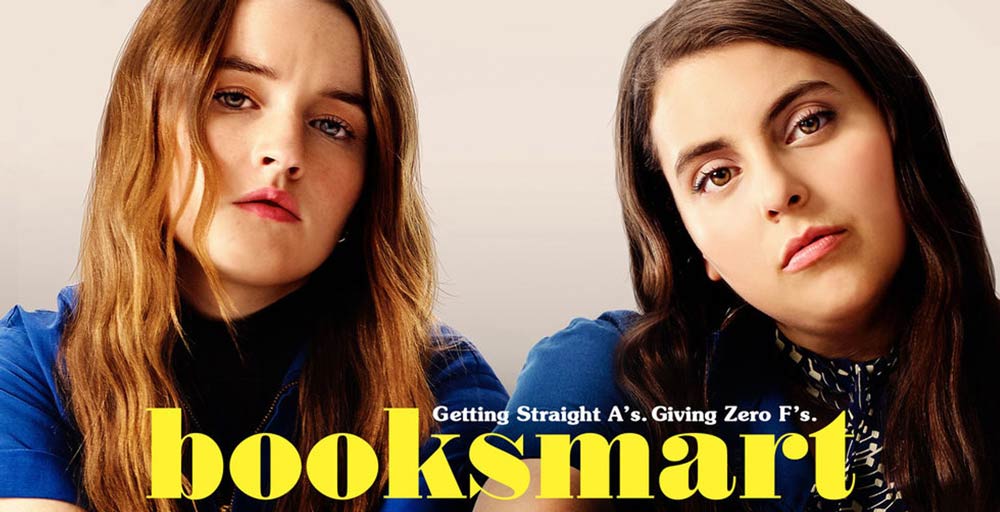
For those of you who don’t know a “Sex Comedy” is a type of comedy film usually revolving around a teenager coming of age and going through puberty; generally with a quest to change the protagonist’s life, or lose their virginity as the main plotline. These sort of films have taken on many different forms over the decades they’ve been around, rising to feature film prominence in the mid-’50s to late ’60s, with films starring Marilyn Monroe, before breaking through with the release of Animal House in the ’70s. However, modern teenage sex comedy films can trace their origins to the 1983 release of Risky Business; which turned the movies away from the Romantic Comedy elements of the past and towards the Coming of Age themes the genre would become tied to, leading to where we are now. The year 1999 would be huge for the Sex Comedy genre as it saw the release of American Pie, the film where a man has sex with a pie, which became a huge hit and saw every studio trying to get in on the action, starting the boom off. However, history aside, in recent years the genre has faded from prominence, perhaps replaced by the Slacker or Stoner genre? That is until recently when they have been reborn; they are mostly no longer crass and over-reliant on gross-out humour; now, they are more mature and thoughtful. I believe this renaissance began with the Netflix comedy series Big Mouth. Big Mouth focuses on a group of teens as they navigate the waters of puberty, and while the show does use some puerile jokes, it is also incredibly accurate and at times reflective on the nature of being a teenager.
Furthermore, a milestone in the genre was the release of Blockers last year, that gender-swapped the standardised male-driven story of “I need to lose my virginity on Prom night” to show it from the girl’s point of view. To that end, I think Blockers revitalised the Sex Comedy genre and added some much-needed weight to the themes of growing up and moving on with your life; even presenting it from the parent’s viewpoint at times of not wanting to see their children grow up and leave them. This trend carried on to this year’s Book Smart, which showed what it’s like to be something you’re not and to realise it’s okay to be who you are.
Self-identity was always a theme that was at the heart of these sort of films, with the idea that just being you will get you what you want; the protagonist may try and be someone else or assume different personality traits to get what they want, but ultimately it’s who they really are that shines through in the end; and that’s the point that’s the arc, learning to love yourself and knowing that even when you grow up you’re still you. As I am writing this, I am waiting on a chance to see Good Boys the latest film in the Sex Comedy genre, and I am both intrigued by it, but also disheartened. In some ways, this film may well add something new to the style as the protagonists in it are younger than we’ve ever seen in a movie of this sort before. Sadly though from what I’ve seen thus far, I doubt this film with have the maturity or, thoughtfulness to say much about the teenage or, in this case, preteen experience. Hopefully, we see more films like Blockers and Book Smart in the future.

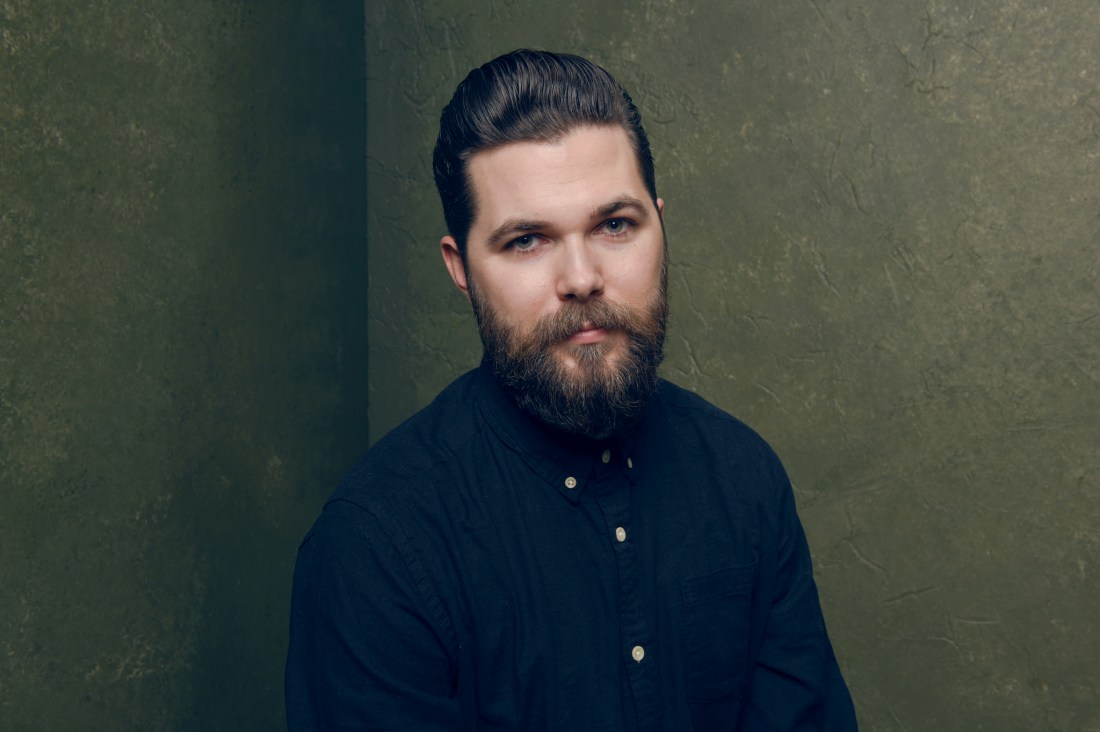
Masters of Horror 3: Robert Eggers

The Masters of Horror is a series of articles discussing the upcoming faces of the horror genre, and what makes them noteworthy and standout. Today’s subject needs no introduction; he is the A24 darling, the pride of Film Twitter he is, of course, Robert Eggers.
Of all the names in this series, Eggers has directed the least number of feature films, but the one he did direct, 2015’s The Witch, was such a chilling hit, that it put Eggers on everyone’s list of directors to keep an eye on.
Cut to 2019 and Eggers second film the Lighthouse has released images, at the time of writing, only and everyone in the horror and film community is already ablaze with intrigue. This illustrates just how utterly brilliant Eggers feature film debut was.
The Witch is a hard sell on many levels, for one thing, the characters talk in Old English which at times can be hard to understand, and secondly, the plot suffers from the same thing Aster’s is said to do, namely, being overly drawn out and boring.
However, if you get past this, you see it for the masterpiece it is and know how both of those complaints are invalid. The plot focuses on a family who is excommunicated from the church and is left to fend for themselves in the wilderness; while being stalked by the Devil Himself.
The events of the film are very intricate in that you need to pay attention to the smallest detail to be able to figure out quite what is going on; this lends the film to re-watching, as I have re-watched it at least four times learning something new every time. Furthermore, there is a beautiful juxtaposition of thoughts as you are left thinking is the family just going insane or, are there evil demonic forces at work. The atmosphere of the film is oppressive right from the start, with a building sense of dread that never leaves, only intensifies. The cast is superb, with each actor bringing something to the film in a meaningful way, even the three child actors in the movie are good, if a little hate-able, which is no small feat.
However, the breakout star of the film is Anya-Taylor Joy, who went on to be in Split and the as of yet unreleased New Mutants. Joy works so perfectly off the themes Eggers employs, such as the corruption of the youth and freedom through sin vs servitude through morality. Throughout the film, we see her character become more and more tempted to sin, as eventually she is forced into a situation where it is her only hope.
Eggers plasters religious allegories and metaphors throughout the film, which only serve to heighten this duality between good vs evil in the most well-thought-out way. With each character dying by the hand of their own deadly sin.
Eggers’ film is so utterly oppressive and enthralling that he easily deserves a place amongst the Master of Horror, and if his second feature film outing The Lighthouse can keep this same tone and effect then it could easily be one of the best horror films of the generation, possibly even up there with the Witch.
A final fact of note is that Eggers is working on a remake of the classic vampire film, Nosferatu which I couldn’t be more excited for, I can’t wait to see Eggers take and hopefully deconstruction of what is a vampire.

The Lion King and Disney’s Live Action Craze.

Remakes, the word probably causes some form of emotional response in you, whether its optimism at seeing a film done again or a tired cynicism and disbelief in Hollywood’s lack of new ideas. Over the last two decades, we have seen remakes of everything from The Evil Dead to Ghostbusters. Some add to the original in some meaningful way while others are just a transparent cash grab, it is in the latter category that we find the subject of today; Disney’s The Lion King. Disney has been on a quest to seemingly remakes as many of their classic animated films as quickly as they can, with 2019 having not only the Lion King but, also Alladin and Dumbo. The results are inconsistent; Dumbo was a bland mess of a film, while Alladin was surprisingly good and provided something new on the original animated film, The Lion King follows in the footstep of Dumbo. The 90’s Lion King was an undeniable classic, and no one seems to know this more than Disney. The 2019 live-action Lion King, while technically impressive, is also shot for shot the same as the original down to some of the lines of dialogue. They add nothing new; except for one or two new songs. This is not wholly a bad thing as it is nice to hear all the old songs again and see all the old characters, but it does make you question why this film was made as it does not justify its existence, which is the primary thing a remake needs to do. The only achievement of the Lion King remake is it shows the heightened form of near hyper-realistic CGI. When you realise how much of this film is CGI, you understand just how impressive it is. A justification of the remake would be to lure in new audiences and make a new version for the younger generation, and that would be an excellent reason for this film to exist if there was anything wrong with the original, but there isn’t. While this does work as dumb summer blockbuster fun, the same result could be achieved by having a re-released the original.
In many ways, this film is the inferior of the two, the cast highlights this; the new voice cast composing of the likes of Beyonce, and Donald Glover is just not memorable and a lot of the big-name stars who are in the film almost sound like they aren’t trying, perhaps they just couldn’t turn down that sweet Disney paycheck. This makes me worry about Disney’s upcoming live-action films like Mulan; hopefully, these films will follow after this years Alladin and add something to the original movie, otherwise, these films are going to start rubbing people the wrong way, and people will stop being interesting in them. The Lion King is by no means a bad film, nor is it a good film, it is a film that has no reason to exist. If you want to watch a film that captures all the same notes as the first Lion King, watch the classic animated film. Ultimately remakes aren’t going anywhere, in the end, Hollywood will remake all of our favourite films if there is still money in it for them. Hopefully, we can get more films like the Evil Dead, where the creative team want to add something to the property rather than do it for money’s sake.

5/5 (For the Original)

Luke

Annabelle Comes Home and the over-saturation of the Conjuring Universe.

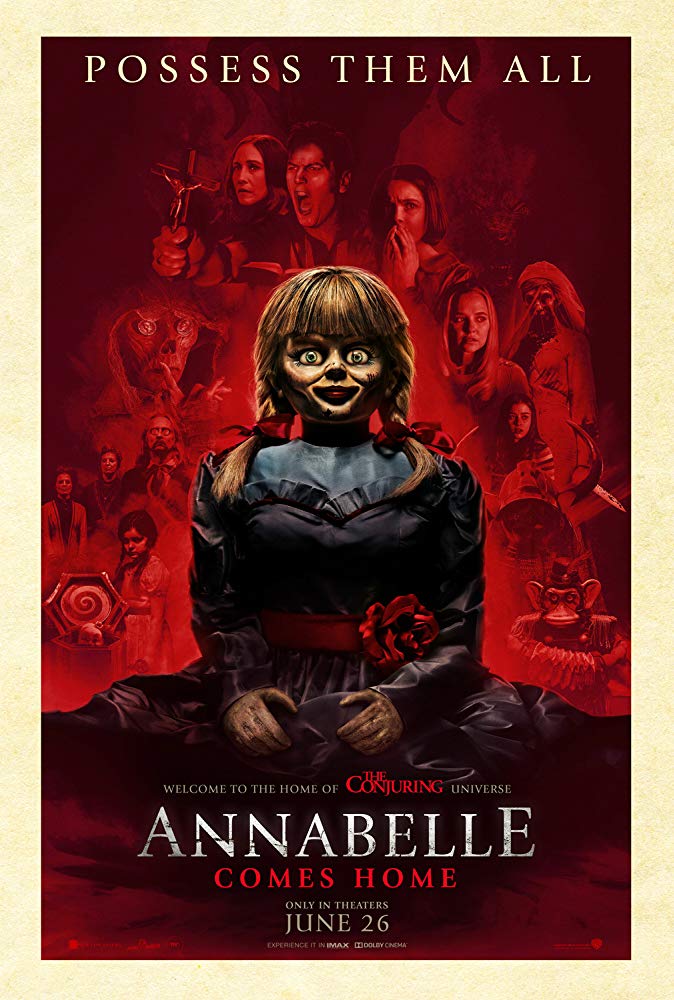
Annabelle comes home is the latest film in The Conjuring Universe and the third in the Annabelle series; about the killer doll of the same name. This newest entry answers the question of what happens after series heroes The Warrens take Annabelle home for the first time. That said Ed and Lorraine Warren, (Patrick Wilson and Vera Farmiga) are mostly absent for the entirety of this film with it instead focus on the rag-tag group of the Warren’s daughter Judy, her babysitter Mary Ellen and her friend Daniela as they battle Annabelle and a series of spooks and demons. Therein lies the problem with this film; it feels like a Conjuring 2.5 that no one wanted. For those who aren’t intimately familiar with the Conjuring series the first Annabelle film setup what she can do and her place within the universe after being introduced all the way back in the original Conjuring, and then the second Annabelle film established her creation and backstory. In short, this third film served no purpose, the end of the original Conjuring reveals the dolls addition to the Warrens collection, so in terms of broader narrative this film added very little new. Whats-more this film makes it painfully apparent that Warner Brothers are testing the water to see what new spin-offs they can make, the Bride? The Ferry Man? That suit of samurai amour? To this end it the film almost feels cheap with it just being used as a test case.
Furthermore, I found the inclusion of the Warren’s annoying as I and many others would have just preferred the Conjuring 3; where they would have something interesting to do, instead of just being around to plan their kids birthday party. Moreover, and this is a problem not only with this film but the wider Conjuring Universe, the scares have become that formulaic that they are no longer scary if you have seen one movie you have seen them all. The over-reliance on jump scares and audio ques is painfully apparent, and the audience is noticing; this film has been one of the worst performers of the whole CU. My criticisms are coming from a place of love as I genuinely do have a great fondness for these series, I feel burnt out, disappointed, disenchanted with what once was great. This latest entry while not a bad film by any means is a beacon of everything I’m saying and is incredibly average. The cast is a collection of stereotypes and cliches, with one having a dead parent who she feels responsible for; haven’t we all heard that one before. The only member of the cast who makes you feel anything is horror veteran Mckenna Grace, who plays Judy as vulnerable and in need of some friends. What makes her character so good is the reason she is alone is that all of the other kids know what her parents do and fear her for it, making for an interesting to think about the dynamic between parent and child; with a sweet moment in the end. Ultimately this film is more like a feature-length episode of Goosebumps, having lost all the edge that made the franchise so popular. While I remain hopeful for the Conjuring 3, this film shows a worrying trend in the Conjuring movies, reaping the lack of scares that comes with using the same jump scares over and over again. It’s watchable if not memorable.

2.5/5

Luke

Hobbs and Shaw

hobbs-and-shaw-posterHobbs and Shaw is the latest film in the Fast and the Furious universe, and the first film to not be a numbered entry in the series; instead being a spinoff. The film revolves around the characters of Luke Hobbs, (Dwayne ‘the Rock’ Johnson), first introduced in Fast 5 and Deckard Shaw, (Jason Statham), first introduced in Fast and the Furious 7, as they try and stop the outbreak of a deadly, world-ending virus. This film capitalises on the ridiculous over the topness of the last few Fast films; it is not tied down by seriousness or reality, portraying a world of glorious dumb spectacle- worth the ticket price alone. Best shown in a third act car chase where Hobbs uses his sheer strength to keep a helicopter tethered to a truck only to pull said helicopter to the ground mere moments later in a fiery explosion of testosterone. This film is dumb popcorn fun to the fullest extent, it does not require you to think even for a moment, and in many ways that is the best thing about it, the escapism, however, it becomes a problem if your mind does find itself questioning the plot because then it all falls apart utterly. Personally, I found myself more in the former than the latter. What truly is the unexpected highlight of the film is the delightfully, surprising cameos that are peppered in throughout, with both Ryan Reynolds and Kevin Hart giving memorable, funny performances; which do deliver. Whats more the female members of the cast are given far more to do than in previous Fast entries, with Hattie Shaw, (Vanessa Kirby), Deckard’s younger sister, being the standout character in the film. Her characters struggle, which I’m not going to get into for spoiler reasons, drives the film and is very compelling.
Moreover, she has some of the best fight scenes in the whole movie with an early fight between her and Hobbs being particularly good. Kirby has a very believable physicality, so her character’s abilities are all very convincing and impressive. Sadly the same praises can’t be aimed at Eiza Gonzalez’s Madam M who until I wrote this I had no idea what her name was, she is that underdeveloped, really just being included for the gaze of juvenile men and teenage boys, but maybe future installments in this spinoff series will prove me wrong.
The dynamic between Hobbs and Shaw is everything you would want it to be, with the barbs traded back and forth between the two being consistently funny and entertaining. The ending of the film sets up this side of the Fast universe with it teasing a big bad for the upcoming movies; several post-credits scenes further highlight this. The bad guy for this film is Brixton, (Idris Elba) a former MI6 officer who jumped ship and has a past with Shaw. Brixton is by far the worst part of this film, with his character being entirely forgettable and his motivations being a mystery to everyone, maybe even him. Elba is equally as forgettable with the role easily playable by many other actors with no real difference in quality. Overall, this film is excellent for what it is a dumb fun popcorn movie; it knows what it is and has fun with it; which is infectious. Despite some of the weak characters weighing the film down slightly, Hobbs and Shaw still manages to not only step out from the shadow of The Fast and The Furious but also become better than it; seeding the groundwork for what could be one of the best action-comedy series of recent memory. A must-see for the escapism alone.
4/5
Luke

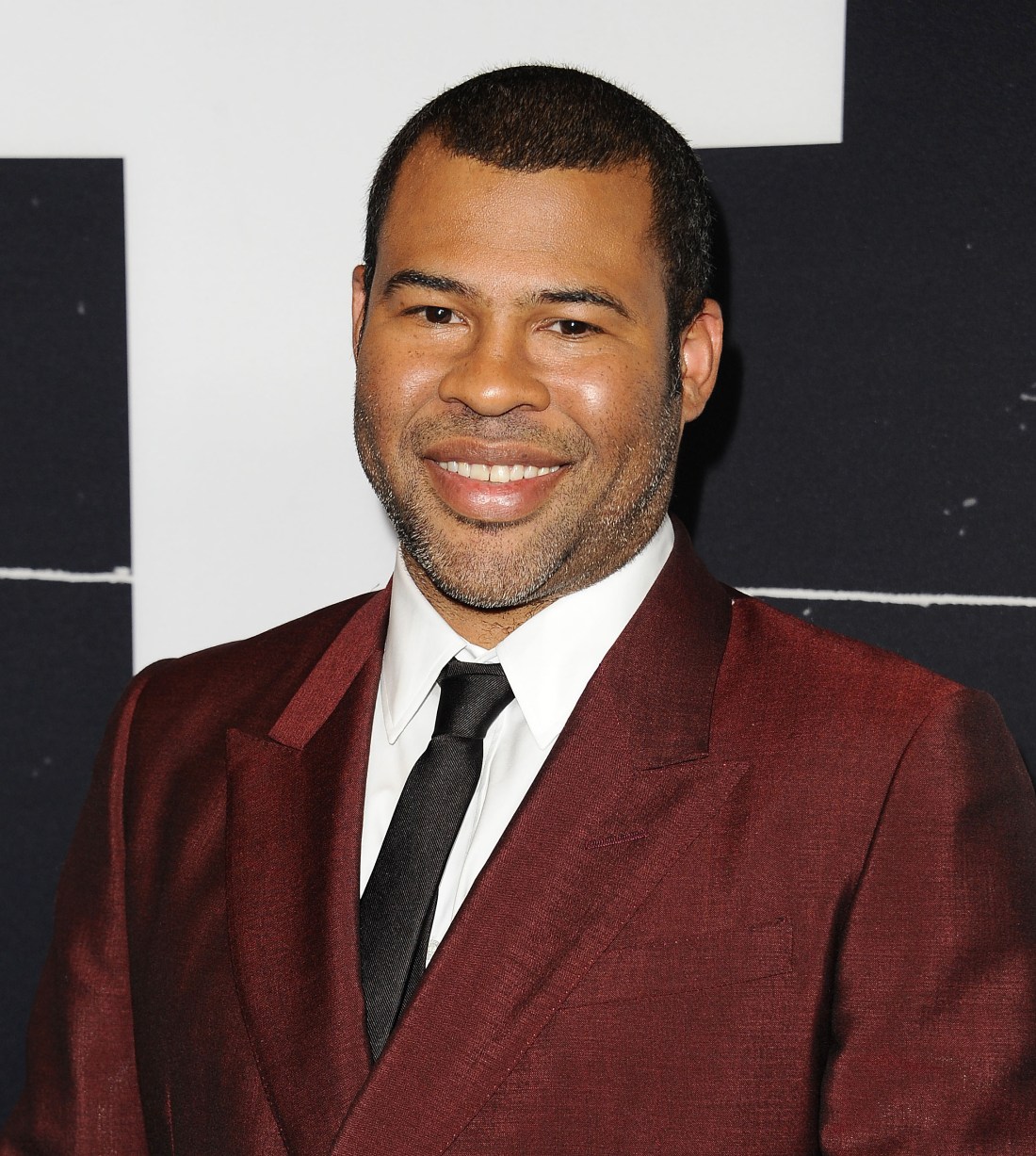
Masters of Horror 2: Jordan Peele

So to briefly recap, The Masters of Horror is a series of articles I’m writing in which I drive into new and upcoming names in horror cinema, to hopefully inspire you the reader to check out these visionaries and their works. Said creators and directors are all bringing something new to the table with their specific creative visions; none more so embody this than today’s subject Jordan Peele. Peele rose to prominence as a comedian with his friend Keegan- Micheal Key; having proven his comedic genius over many years of performing, with Toy Story 4 and Keanu as proof. However, in 2017 it all changed Peele took a substantial left-field turn into horror, this, of course, was his film Get Out.
In the lead up to Get Outs release, many people were skeptical as to whether a horror film written and directed by a comedian could be good. Then the first trailer came out, and all the doubt turned into cautious anticipation. When Get Out released audiences realised just how misplaced their suspicions had been, being met with was a horror film that made you think. The horror wasn’t in jump scares; there were no demonic possessions or over-reliance on gore; instead, it focuses on a man going to meet his girlfriends family for the first time, a very personal and human fear. Admittedly this was no ordinary family; instead, a family obsessed with the ideas of racial superiority and a strange form of hypnotism, but hey it’s a horror film. The subtle racial tensions that coursed through the film’s veins added an extra layer of not only uncomfortability but also social commentary. Get Out was an unexpectedly massive hit with it becoming far more significant than anyone would have ever expected it to be. This significance mainly comes from Peele’s breed of horror, which focuses itself on themes of identity and races taking his horror cues from human nature and the inner darkness within us all. Much like the subject of part one Ari Aster, Peele likes his films to be ambiguous, for them to be able to be interpreted different ways by different people lending them more to debates and theory crafting. Peel’s second release US, a film with more of a conventional horror threat evil, killer doubles, shows this almost without question as the film poses many questions, who are the Teethered, why are they so hell-bent on murder, and what does the whole Hands Across America event have to do with the overall narrative? None of these questions have answers, and that is by design; with Peele most likely knowing that the answers he could provide are less satisfying than the ones in people’s heads; there is an intense horror in ambiguity after all. Peele is very keen to show us all that real fear can lurk below the surface, sometimes literally, and can come from even the most mundane of circumstance. In this current year of 2019, you can’t have a conversation about horror cinema without Peele’s name coming up, and that is an incredibly good thing, as his approach is undeniably fresh and novel. With a new Peele horror film releasing horror fans are feverish with excitement, and I believe that is because he, much like some of the other names on this list, can be trusted to provides us horror fans with a much-needed break from the same old possession or haunted house horror film. For his deep dive into what drives us not only as people but society through the means of horror, I think Jordan Peele is very deserving to be amongst the ranks of the Masters of Horror.

New Masters of Horror: Ari Aster

Horror cinema has been around for decades, and with each era, there are horror pioneers who strive to both find new things to add to the genre as well as find a way to terrifies the masses. In the past, there have been such names as Toby Hooper, Wes Craven, and John Carpenter, but for the modern horror fans, there are a collection of new faces to keep an eye on; this series will focus on them, starting with today’s subject Ari Aster. Aster has made a name for himself these last two years with his films Hereditary and Midsommar, both of which have been well received by both the horror community and general critics. However, before he made either of these films he directed a series of surreal horror esque short films, these captured the raw talent of Aster as well as foreshadowed themes that would play out across his film catalog; or at least his works thus far. Said topics are what make Aster such an intriguing director, he deals with the idea of loss in both of his feature film offerings, in Hereditary it focuses on how a family would deal with that and in Midsommar it focuses on how a couple, but more of an individual, would deal with it. Aster approaches the issues and ideas about the loss of a close family member in an incredibly thoughtful and personal way, which thereby makes the film more relatable and its characters more real; to us the audience.
Furthermore, Aster’s films are known to have a frantic, (for lack of a better word), third act, with Hereditary, seeing the coven finally realised on screen, and Midsommar having the conclusion of the summer festival. Leading some to level the criticism that Aster’s films are slow even to the point of being boring and then have everything happen in the final 20 minutes; this is ludicrous. The reason that complaint is invalid is that Aster has proven himself to be, like many of the other coming entries in this series, a director who delights in foreshadowing and hinting at things to come, letting people talk about and guess at his work, rather than making it obvious. Which I believe makes his horror films all the more enjoyable as they lend themselves to rewatches and debates, making you think about them long after the credits roll. To this end, Aster focuses a lot of the run time of his films to setting an atmosphere and tone, usually sowing in glimpses of things that will turn out to be important later, this I believe is fundamentally important.  The best horror films priorities tension and an oppressive atmosphere over the need to shove in cheap jump scares. Aster’s films lack jump scares, for the most part, almost presenting themselves as horror art films that are above a mere jump scare, and this is why I believe people mistakenly say these films are boring; because people have become accustomed to jump scares over the last few years as the market has become overly saturated with them.  Aster’s film are in many ways a return to horror films of old before the jump scare craze of current times, and I think that’s what makes his movies so special and unique, creative shooting, the dollhouse transitions in Hereditary, hammer home this idea of classic horror, with a new twist. While some may claim pretentiousness, I say this man and his creative vision have produced two of the best horror films of the last decade, and he is more than deserving of being a Master of Horror.

The Nun

The Nun is the latest film in the Conjuring Universe, fleshing out the character of Valak, the Nun, who first appeared in the Conjuring 2.
The plot of the film is a Valak origin story, set in a Romanian convent during the 1950’s. Following Sister Irene, (Taissa Farmiga), Father Burke, (Demian Bichir), and Frenchie, (Jonas Bloquet), as they investigate a suicide at the convent; which is much more than it appears.
The Nun is not a horror film at least I didn’t think it was, yes it does have jump scares, more on that later, but on the whole, it felt akin to a Gothic adventure film, not too far from the likes of Crimson Peak. The reason for this is the horror the film presents.
The jump scares, though well done, are predictable, so the film is left to rely on its atmosphere; which is not constantly menacing, like many other horror films are, instead it is gothic in it’s purest form. The non-horror nature of this film is a hard thing to describe; the closest parallel I can draw is to the Hugh Jackman staring Van Helsing film, yes there are horror elements, but it is an adventure film first and foremost.
Why the film chose to structure itself like this is anyone’s guess, but evidence for it comes from the protagonist’s quest to find the blood of Jesus, even some of the shots in the film are more in line with the Brother Grimm as opposed to something like Insidious.
That said, I liked the atmosphere and, the film itself.
The actors themselves do their best with the material they have, Farmiga, in particular, is very good. However, despite this, they are all underdeveloped, outside of the role they play in the narrative; which is a shame as they could have been so much more. Frenchie, in particular, proves my earlier point, he is the comedy relief of the film. Without him, the film would be a lot darker, a lot more like a traditional horror film, but his oneliners and, demon zombie killing shotgun prowess make the tone of the film similar to something like last year’s the Mummy, neither wholly action or horror.
To conclude if you like jump scares this film won’t let you down. However, if you like well-crafted horror films it will. With a tone similar to that of the Dark Universe this film is more gothic action adventure than horror. A strange film in many ways, but crucially not a bad one.
3/5
Reviewed by Luke.