The Problem With Shared Universes

*A cinematic universe for anyone who doesn’t know is when different series of films, as well as other forms of media, all exist within the same world and happen side by side with each other, with the events of one film affecting the others.

We live in a post-Avengers society; Disney and Marvel have proven that franchises can crossover and be instantly profitable. However, only one cinematic universe has done this, as many would say without fault, that is, of course, the MCU. In today’s post, I am going to talk about all the different variants and their issues, as well as the problems with having a shared universe in general.

The MCU is regarded by many as the best-shared universe, a lot of this comes not only from the fact the films are good, but also because they were the first to do it. However, the MCU is also a textbook example of a problem that a lot of shared universes have, and that is that all the films feel very similar. The Marvel formula is something that has been covered a lot, but to briefly sum up, it is the way a lot of, if not all, the Marvel Cinematic Universe films are structured and written- filled with humour and easter eggs. The issue with this formula is that it can stop a lot of the movies from feeling unique and instead makes them feel like a reskin.
The Solution: The MCU won’t change because they make a ton of money, why change that.

Secondly, we have the DCEU, that stands for the DC expanded universe, which is the other major comic book shared universe. Though I loved these films, mostly, they suffer from tonal inconsistencies. In a cinematic universe, all the films have to have similar tones and colour pallets from them to fit together. Removing the audience from this world the formula works in particular cases. Having a mismatch of tones and styles can be and has proven for the DCEU, to be jarring.
The Solution: Either to start afresh and keep to one creative vision or to give up on a shared universe and have everything standalone, with minor crossover

Thirdly we have the now dead Universal Dark Universe, which was going to be all the classic monsters, The Mummy, The Wolf-Man, Dracula, etc. existing side by side. The issue that plagued this universe is that it rushed to have everything done and set up as quickly as possible. To do a shared universe, you need layered characters and dense world-building, these things take time and effort. You can’t just force the shared world to exist- in one outing. Furthermore, Universal got ahead of themselves and planned out an entire slate before their first film had even come out; which was foolhardy, to say the least.

Finally, we have Legendary’s Monsterverse; this is the one with the giant fighting animals Godzilla, King Kong, arguably one of the best-shared universes. The Monsterverse does world-building very well; it has a clear world with rules. The only thing I can fault them for is that because of the world and the lore; they’re sometimes a hard sell for a mainstream audience; in a way, it’s a double-edged sword, hurting them at the box office.

To conclude the point I wanted to make here is that shared universe are hard to do, even harder to do right. While we may want to see our favourite characters interact on the big screen, it often comes at the cost of originality and fresh takes. What’s more, things that are better standalone end up being shoehorned into a more extensive franchise often hurting them in the process, looking at you Ten Cloverfield Lane. However, all the studios want the money that comes with a shared universe, so they won’t stop until they run all their franchises into the ground.

*I didn’t mention the Hasbro Universe, because it hasn’t happened yet when I see the G.I. Joe/ Transformers crossover I will say my thoughts then.
*I also didn’t mention Sony’s Spider-verse because it is in limbo and could go either way at any minute, especially now Disney has Spider-man himself back in the MCU

Once Upon A Time In Hollywood: A Love Letter To Tarantino

Preface: When I first saw this film, I didn’t like it, but after seeing it the second time I have much more of an appreciation for it.

Once Upon A Time In Hollywood, is the 9th film by acclaimed director Quentin Tarantino, and is in a sense a retelling of the real-life Manson Murders; all bit it with a twist, but I’m not going to spoil that here. The film itself reads like a love letter to the Golden Age of Hollywood, as well as to the 1960s.

The plot of the film revolves around three intersecting stories, each focusing on one of the three main cast members, Brad Pitt,( Cliff Booth), Leonardo DiCaprio, (Rick Dalton), and Margot Robbie, (Sharon Tate). Rick’s story focuses on him realising he is past his peak in terms of acting and, needs to adapt his ways to stay relevant. Booth is mainly a supportive figure to Dalton, being there to lend a hand, although his story line does bring about the Manson Family element which adds an exciting spark to the film*.

*I believe knowing about the events of the Manson Murders before going in to see the film, adds a sense of dread to the proceedings, with you knowing it’s just a matter of time before the killings happen; if you don’t know the history the final act of the film can feel like it’s just come out of nowhere.

The third and final main character, Robbie’s Tate is by far the weakest as she is given the least to do, and I didn’t notice this the first time around, but nothing much to say as well; her amount of dialogue compared to Pitt’s and DiCaprio’s is none existent; she mainly exists to dance around to various 60’s tunes and go on drawn-out trips to the movies.

On the flip side of that, the writing and the dialogue for both Booth and Dalton is well done, both of their characters seem like people, they’re relatable and easy to root for. Moreover, one of the final scenes of the film shows the relationship between these two men, in such a perfect away, it’s incredibly effective.

My biggest complaint against the film is the pacing of it. A lot, and I mean 60% + of the scenes feel like they could have been edited down, a lot of them weren’t vital and just served to reinforce and retell us things about the characters we already knew. Adding to this complaint, we only actually see Charles Manson, for one scene; which is incredibly brief. I don’t know if they shot more scenes and they didn’t make it in, but it leaves said scenes feeling oddly out of place.

Overall there are things to like about this film; both leading men are charming, there are some excellent celebrity cameos, but it doesn’t hide the fact that this is one of Tarantino’s weaker efforts.
The man has a stellar catalogue, with the likes of Django Unchained and Inglorious Bastards, but this seems like a mismatch of different things and ideas that don’t come together.
To summaries, I loved 40% of the film, but the other 60% was just too long, too dragged out and, dare I say it too self indulgent.

3/5

Reviewed by Luke

Yesterday: The Best Film of Summer 2019

Summer 2019 has, in terms of film, been one of the most disappointing in recent memory. We’ve seen unwanted remakes and reimaginings; beloved series shoot themselves in the head, looking at you Men In Black International and, your genius decision to not bring Will Smith back. Overall Summer 2019 has been in a word- meh.

The highlights would probably include, Brightburn for sheer originality, Toy Story 4 for not being a blatant cash grab and, Spider-man Far From Home, which let’s face it is only really cared about now because it might be the last one in the MCU.

Horror was in pretty good form over the summer though, with Scary Stories to Tell in the Dark and Midsommar both being fantastic films, sadly the horror front was let down by the lacklustre Annabelle Comes Home from the Conjuring Universe, but at least 2 out of 3 isn’t bad.

However, one film stood above all as the best film of the summer, at least to me, that film was Yesterday. Yesterday is a British ‘Feel Good’ Romantic Comedy, focusing on talented but, overlooked musician Jack Malik, (Himesh Patel), as he, after a bike crash, wakes up in a world where no one remembers the Beatles, except him and two others. What follows is Jack’s rise to fame as he takes credit for writing and singing all of the Beatles most famous songs, along the way he learns what’s important to him, and that fame isn’t all it’s cracked up to be.

Though the premise, Beatle-less world aside, has been done a million and one times before, there is something about Yesterday, so endearing and undeniably positive, that you can’t help but smile. It hits on a lot of different emotional cores and leaves you happier than when you went in; there is no doubt about that.

The film is well-executed and planned out, with each musical sequences feeling needed and relevant to the plot of the film, rather than just feeling like it’s there to be “remember this song”, as so many other musicals do. This goes to show that Director Danny Boyle hasn’t lost his streak for making great films, said streak brought us the likes of Trainspotting 1 and 2 and is still very present here.

A significant plot point of the film focuses on the will they won’t they, relationship between Jack and his childhood best friend Ellie, (Lilly James). The chemistry between James and Patel is palpable, which makes the eventual relationship not only believable but, also one you can’t help to root for and, become invested in. The interesting twist on the standard unrequited or, overlook love angle here is that it’s James’ Ellie who is madly in love with Jack, but he can’t see it and, thinks they are just friends. This twist on the standard gender roles this story angle usually has is fascinating and, something more films should do.

Finally, the film’s music is infectious, even if you don’t like or, for some reason don’t know the Beatles, their music is used in such a heartfelt and touching way here; that you can’t help but, sing along. Yesterday is a love letter to the Beatles and to music in general and, that fact shines brightly in every scene.

If you haven’t already, you should see this film, as I can guarantee it will put a smile on your face and, make just a little bit happier.

5/5

Review by Luke

A Beginners Guide to Comic Books

Ever since I was young, I loved reading comics; indeed, my obsession with Marvel and DC superheroes almost began in-utero. From as young as I can remember I have kept up with adventures of Batman and Spider-man, and as I have got older my tastes changed; I moved away from superhero comics, except for Moon Knight, and found a whole other world of comics and graphic novels that have nothing to do with superheroes at all.

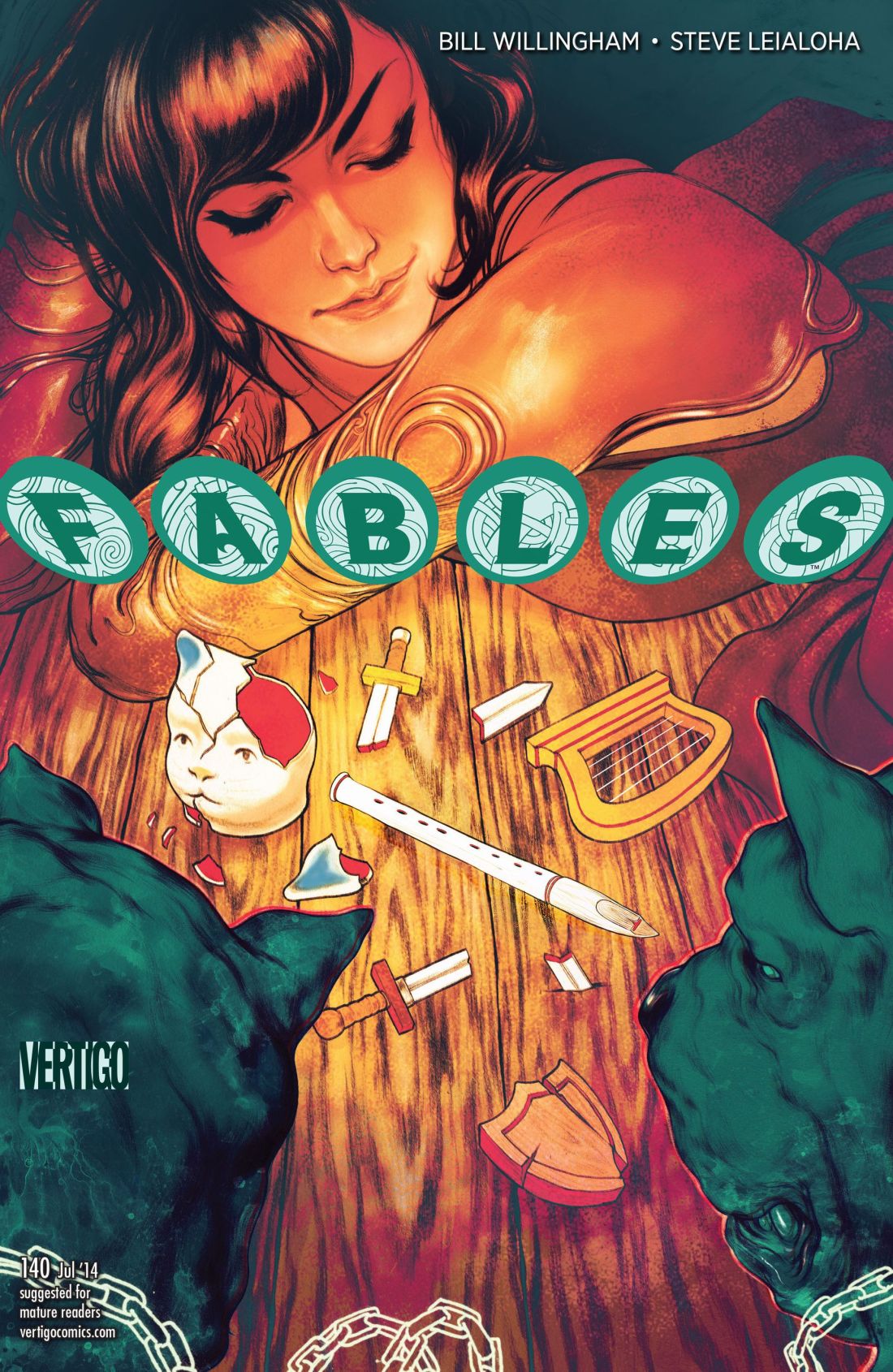
My first foray into this world came as I started reading Bill Williamson’s Fables, which still stands as my personal favourite comic series ever, a series in which classic fairytale characters find themselves in our world in the present day. What makes the comic series so superb is that it manages to merge the silly wimsey of fairytales with the grittiness of real life; to a fantastic end.

So the subject of today’s post is how to get into, and hopefully love comics. In recent years a lot of people are getting into comics thanks in no small part to the mass success of the MCU, but there are so many different comics it is hard to know where to start. Ultimately it depends what you’re looking for if you’re trying to get into Marvel or, DC then every few years they will have significant events that restart the in-comic universe and make it more approachable for new readers. Failing that you can always find older issue of any series you want to get into at any good comic shop. If you want to get into non-superhero comics, then it’s even more accessible, as most of the time these series don’t have hundreds of back issues to sort through. As well as this most major comic publications have online services where you can read all of their comics for a fee.

How I handle reading comics is, I don’t try and keep up with every series from a particular brand, Marvel, DC, Boom, Dark Horse; instead I find authors I like and stick to their runs, exploring maybe one or, two other comic series a month. I believe this makes keeping up with comics way easier.

The reason everyone should try and read comics is not only because comics are cool, but also because so many of them have something different to say, and show the world from another viewpoint. To me, comics are the most original medium, as the creators are only really bound by the limits of their imagination, especially if they’re writing for an independent publisher. You can go from reading a comic about vampires across time to one about people who freeze time when they orgasm, the amount of variety and creativity is unlike anything found elsewhere.

To conclude I think everyone should give comics ago, yes it’s not going to be for everyone, but you might just read something that captures your imagination and engrosses you, and for some of the characters and worlds alone I think you should pick up a comic book today!

What Happened to the Arrowverse?

I remember the day the first episode of Arrow aired, it filled me with the same kind of wonder that I had when I first watch Smallville years prior. The same if not more could be said when Barry Allen appeared on Arrow in a guest-starring role, with the intention being for him to get his own series down the line. When Legends of Tomorrow came out, I was cautiously optimistic, to see how a show compromised of side and villain characters from the other two shows would be; I wasn’t disappointed. Even when Supergirl came out, I loved every minute of the first season.

Then something happened, The shows I had once loved, weren’t what I remember them being any more, the spark that was once there was extinguished. So the question I want to ask today is what happened and is there hope left?

The Problem I believe is multi-faceted; it is hard to put down to just one thing. To get the obvious out of the way, every show has a decline in quality the longer it goes on; Arrow is going into its 8th season, and the Flash is going into its 6th; as a result, they aren’t going to be as good as they were in their respective primes. With the 20-24 episode mode of storytelling, all sources of inspiration are used and then used again, as there are only so many things these characters can do before things start to get stale. The creatives know this, so they make filler content, a fairly standard practice, to pad out the season. This content often takes away from the drama and the stakes of the overall season and gives us meaningless side stories that only really appeal to a small group of people. A little bit of filler can be a nice break, but the issue with the Arrowverse at this point is every other episode is like this.

Furthermore, and this is true for Marvel and the MCU as well, the stakes on the Arrowverse shows are incredibly low. We know characters are safe, they have plot armor so they can’t die, which shatters a lot of the tension in episodes. The worst is when the episode ends on a cliffhanger and, it is set up to look as though X character is going to die, but the drama doesn’t work because you know they won’t. Now, the Arrowverse has killed off characters before that is true, but never major ones, never your Barry Allens or, your Oliver Queens: instead it’s always a side character, and even then they come back, look at Sara Lance.

Whats-more, The Arrowverse shows just become the same in the end they all follow a pattern, I’m not saying this is a wrong, a lot of people like it, but it does take away from the originality of the shows themselves. A lot of the time it is just pretty people in rooms, having soap opera level drama, that most of the time goes nowhere and, is rather inconsequential. This can be found across all of the shows and, makes it hard to be able to tell one apart from the others.

Ultimately for me the shows, barring Legends of Tomorrow which still entertains me every week, have become stale and, the Arrowverse as a whole simply relies on spectacle to sell itself, see any number of the crossover specials for evidence, and again I’m not saying this is a bad thing, I’m just saying it is not what it once was.

Hopefully, the Arrowverse can recapture what made it great at some point in the future.

PS Constantine is the best part of the whole Arrowverse.

Gremlins: The Best Christmas Film

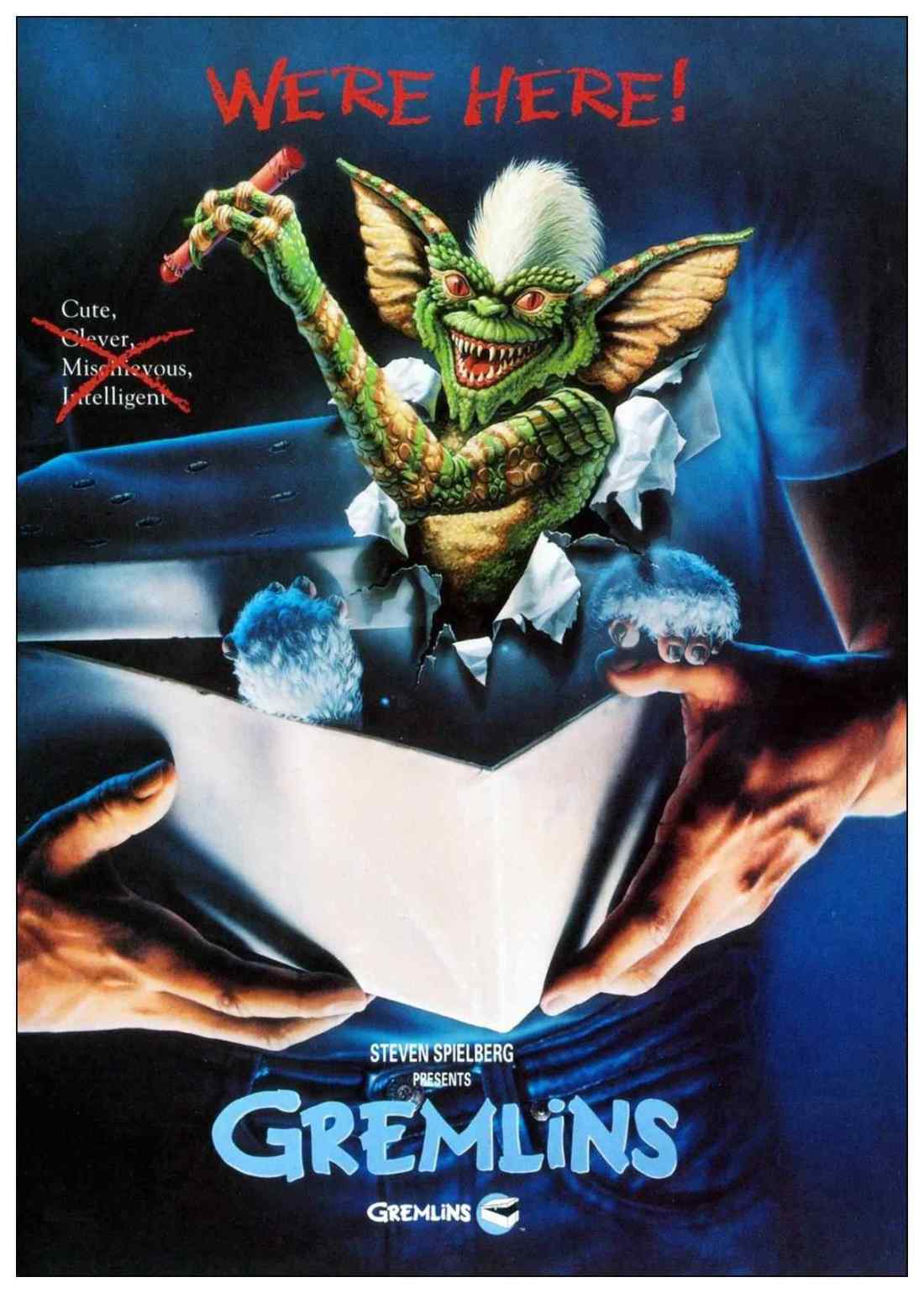
With summer coming to a close we begin the slow march towards Christmas, it really does get earlier every year, as such I want to write about my favourite Christmas/ Holiday movie of all time; Gremlins.

The idea of a Christmas film is usually something happy and upbeat, enjoyable by the whole family, things like Home Alone and the Santa Claus spring to mind. In that parameter, Gremlins doesn’t really fit in; it is a horror-comedy film, unusual Christmas movie fare. However, that’s what works so well about it; it subverts all the stereotypes about what defines a Christmas movie, while still being set at Christmas, coming across almost as a homage.

To give some background to the film, it was released in the summer of 1984; it was a considerable hit commercially and critically and, this along with Raiders of the Lost Ark lead to the creation of the PG-13 rating. The plot of the film revolves around Billy, (Zach Gilligan), as he receives a Gremlin, here called a Mogwai, from his father as a Christmas present. Upon receiving Gizmo the mogwai, Billy has to learn and keep to the stringent rules of ownership; otherwise, there will be disastrous consequences, to spoil it, he breaks the rules and chaos ensues.

This film portrays Christmas, not as this sweet idyllic time of the year, but rather as this crazy manic time where everything is continuously moving, a move which I find refreshing. Furthermore, the relationship between Billy and Gizmo is very relatable to anyone who has ever got a pet on Christmas morning, with this relationship being the beating heart of the film.

Gizmo himself is easily the cutest puppet in film ever; he has a distinct look that makes him easily recognisable and iconic. Furthermore, the facial movements of the character convey emotion to significant effect, leading you not only to root for Gizmo but also viewing him as somewhat of the main character. Comparatively, the evil gremlins, because yes, there are more gremlins, and some of them are or, become evil, actually inspire fear. The puppetry of these gremlins conveys malice and menace as their different design comes across as ugly and monstrous, which the film uses to great effect, showing us the difference between cute happy Gizmo and the evil other gremlins.

The humour in this film is also incredibly well done being funny and very endearing; the gore of the film also works to this extent. With a lot of the kills towards the end of the film, being quite comedic in their brutality, in almost a Zombieland esque kind of fashion.
There is so much charm and heart to this film that it quickly makes it’s self one of the most memorable films of the 80s, having a legacy that lives on way over 30 years later. The sequel, while still entertaining couldn’t live up to the heights of the first film and fell short in many ways. However there is now talk of a Gremlins series coming to the small screen, so there is clearly still demand after all these years.
In my opinion, the first Gremlins is a must-see and one of the best films to watch at Christmas, if only as a palate cleanser to all those sickly emotional Christmas films that plague the holiday season, like ghosts that refuse to die.

Diary of a Wimpy Kid and Coming of Age

Over the years a lot of films have tackled the issue of coming of age, it is a common theme in many works of fiction and will be for years to come. There is something inherently relatable about films like these; where no matter the protagonist, you find something that reminds you of your own formative years. No series, in my opinion, handles the ideas of growing up and maturing better than the Diary of A Wimpy Kid films, today’s post will be a look at the franchise and what it meant to a lot of people.
Diary of A Wimpy Kid is a 2010, coming of age film, following the life of Greg Heffley, (Zachary Gordon), as he tries to navigate the world of middle school, be the most popular, and one day be famous. The film is based on a series of best-selling children’s books that are beloved by millions, the films themselves like to wear their book heritage on their sleeve and will often open with an animated scene that is very reminiscent of the books.
The three core films follow Greg as he progresses through the years of middle school, and we grow up with him in a way, or at least I did. We the audience see his priorities change as he gets older in a very relatable way, in the first film he just wants to hang out with his friend Rowley, (Robert Capron) and, play videogames; the friendship between these two boys is something that underscores the whole trilogy. By the time the second film Roderick Rules is set we see that now Greg is interested in girls and his friendship with Rowley changes, this is a thing that has happened to all of us, that transition from being a kid and thinking girls or, boys are icky to then being in a relationship, and I think that this transition is captured beautifully by the films.
Not only this but, the family interactions too were well thought out and intentioned, in the first film we see how much Greg is scared of his brother Roderick, (Devon Bostick), and how the two are always at odds. However, in Roderick Rules, we see that the pair actually share a bond and that perhaps Greg has just prejudged his brother and is later corrected, we see this towards the end of the second film in a very bittersweet scene. Moreover, the third film shows us the relationship between Greg and his dad and how Greg is trying to make him proud and get along with him, despite having nothing in common and being two drastically different people. This part of the third film has a lot to say about father-son relationships, and a lot of it is profoundly authentic and affecting; it reminded me more than once of my own life.
Perhaps the thing the film does the best is the development of Greg himself; he starts off the first film as a selfish arsehole who only really cares about himself, with a lot of his friends and family suffering as a result. A lot of the conflict of the films from his falling out with Rowley in the first film, to that tear provoking moment with Roderick in the second film all come as a result of Greg’s actions. As the trilogy progresses, however, we see Greg become a better person as he matures, one who will do what’s right to make his friends and family happy; sometimes even at his detriment, although it usually works out for him.
I think though these films owe a lot to the incredibly well-written books that they take inspiration from, there is something special about these series of films, that resonates with the audience, reminding them of their own lives and families: because at the end of the day who hasn’t been the wimpy kid who just wanted to be popular.
In my opinion, there is no fourth film.

Angry Birds 2 and the Animation Stigma

Animated films have been around for well over 50 years, and they first came to be to show the potential of Cinema, to be able to show what is effectively art on the big screen. When these films first came out they were intended to have mass appeal to be viewed and enjoyed by everyone, but somewhere over the years animated films became just for children; with everyone who is not a child and likes them being made to feel some shame about it. How did it get to be this way? Well, probably because early cartoons and animated features were aimed at more mature audiences and had humour and themes that adults would respond to and enjoy, an excellent example of this would be the Flintstones. However, as this new medium began to grow companies and executives, began to think about merchandise. Adults weren’t buying merchandise, or at least not to the same scale kids would in the decades later, so companies started to release new animated films and cartoons that would appeal to kids, viewing them as an untapped market. This brought the era of “Saturday Morning Cartoons”, and though in more recent times there has been a rise in adult animation again with the likes of South Park and Rick and Morty, animation is still seen as something mainly aimed at kids; all because of that one fateful shift. This is a massive shame because it means a lot of people miss out on some of the best stories and films because they think they’re too old for them; which is entirely untrue. Everyone can enjoy animated movies and to think differently is not only dumb but, also funding the trend of live-action remakes I have previously mentioned. That brings me to today’s subject, Angry Birds 2. I fell victim to the preconceived notion of what animated films were when I went to see this; I was proven to be a fool, and henceforth will go and see animated films with an open mind.
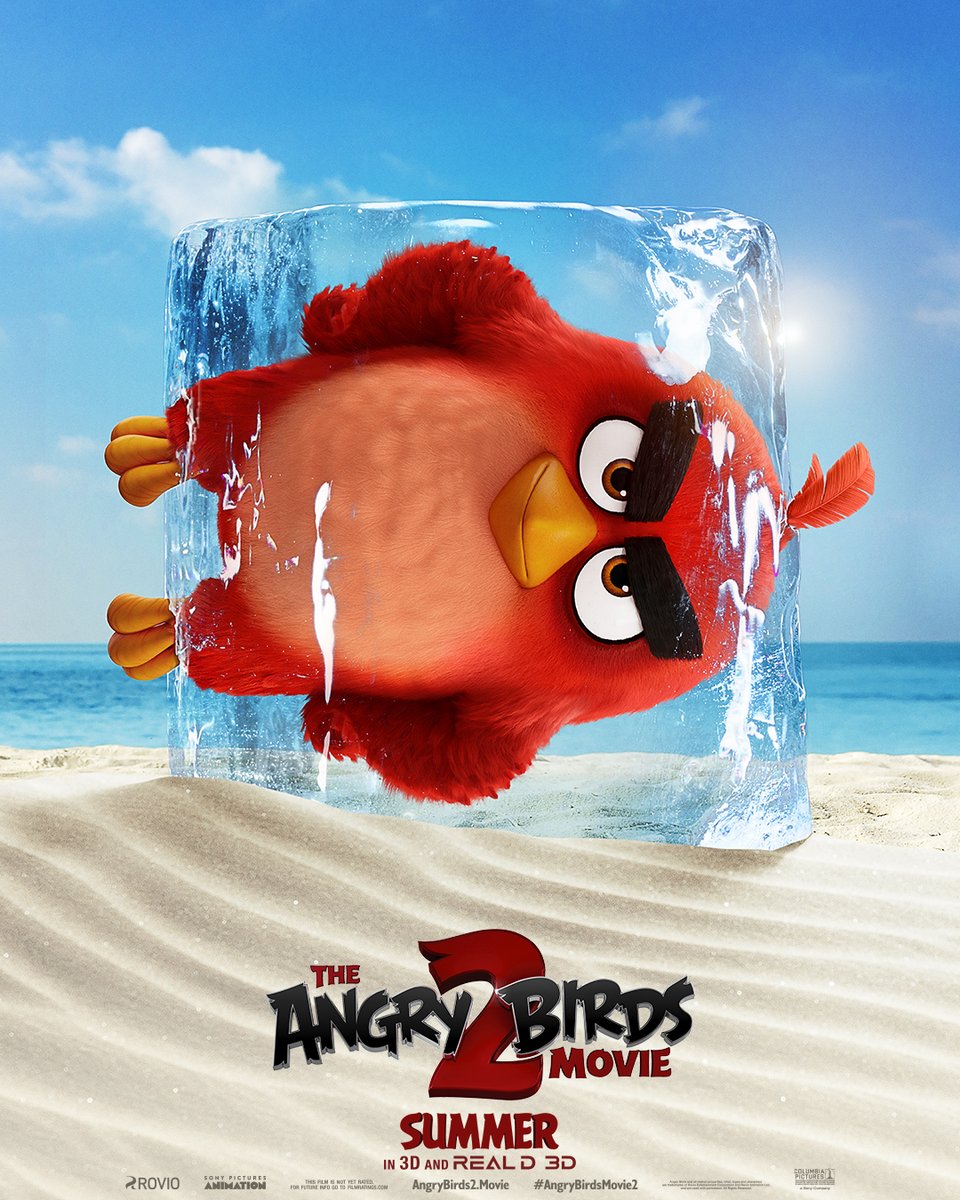
Angry Birds 2, is an animated adventure comedy, based on the mobile game of the same name. In this instalment, the heroic Birds are forced to team up with their Piggie rivals when an even more significant threat appears which could spell the end for both civilizations. I thought the animation was beautiful, with each character having a clear and distinct look. The voice cast all worked well too; they didn’t bring me out of the film to think ‘oh that’s Danny McBride’, which helped me to get lost in the world far more quickly. The themes of the film while not new, the fear of being forgotten, or alone, resonated with me and I thought Red’s, (Jason Sudeikis), character arc over the film was well done and added something to the character. With the over characters adding nicely here and there. For me, the real highlight of the film was the side story of the Hatchlings, who lost one of their member’s little sisters and so had to go through a series of wacky adventures to try and get them back, each more whimsical and unbelievable than the last. I believe it is these sequences that capture the heart of the film, and I would gladly watch a whole film just focusing on the Hatchlings and their adventures.
To Conclude, animation is something that can and should be enjoyed by people of all ages, as these tales have something to offer us all; and Angry Birds 2 proves that and shows how great and touching a film can be.

4/5
Reviewed by Luke

The Evolution of Sex Comedies: Book Smart and the Good Boys

For those of you who don’t know a “Sex Comedy” is a type of comedy film usually revolving around a teenager coming of age and going through puberty; generally with a quest to change the protagonist’s life, or lose their virginity as the main plotline. These sort of films have taken on many different forms over the decades they’ve been around, rising to feature film prominence in the mid-’50s to late ’60s, with films starring Marilyn Monroe, before breaking through with the release of Animal House in the ’70s. However, modern teenage sex comedy films can trace their origins to the 1983 release of Risky Business; which turned the movies away from the Romantic Comedy elements of the past and towards the Coming of Age themes the genre would become tied to, leading to where we are now. The year 1999 would be huge for the Sex Comedy genre as it saw the release of American Pie, the film where a man has sex with a pie, which became a huge hit and saw every studio trying to get in on the action, starting the boom off. However, history aside, in recent years the genre has faded from prominence, perhaps replaced by the Slacker or Stoner genre? That is until recently when they have been reborn; they are mostly no longer crass and over-reliant on gross-out humour; now, they are more mature and thoughtful. I believe this renaissance began with the Netflix comedy series Big Mouth. Big Mouth focuses on a group of teens as they navigate the waters of puberty, and while the show does use some puerile jokes, it is also incredibly accurate and at times reflective on the nature of being a teenager.
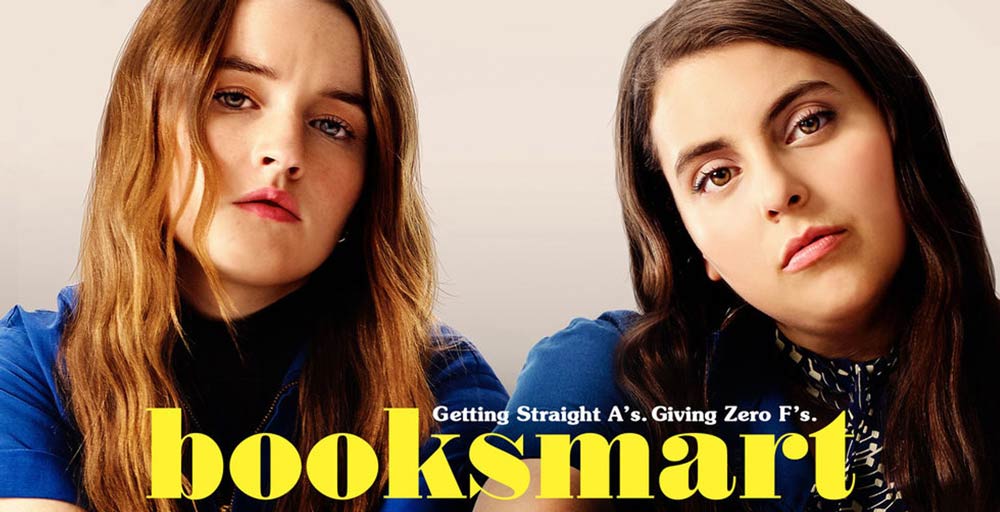
Furthermore, a milestone in the genre was the release of Blockers last year, that gender-swapped the standardised male-driven story of “I need to lose my virginity on Prom night” to show it from the girl’s point of view. To that end, I think Blockers revitalised the Sex Comedy genre and added some much-needed weight to the themes of growing up and moving on with your life; even presenting it from the parent’s viewpoint at times of not wanting to see their children grow up and leave them. This trend carried on to this year’s Book Smart, which showed what it’s like to be something you’re not and to realise it’s okay to be who you are.
Self-identity was always a theme that was at the heart of these sort of films, with the idea that just being you will get you what you want; the protagonist may try and be someone else or assume different personality traits to get what they want, but ultimately it’s who they really are that shines through in the end; and that’s the point that’s the arc, learning to love yourself and knowing that even when you grow up you’re still you. As I am writing this, I am waiting on a chance to see Good Boys the latest film in the Sex Comedy genre, and I am both intrigued by it, but also disheartened. In some ways, this film may well add something new to the style as the protagonists in it are younger than we’ve ever seen in a movie of this sort before. Sadly though from what I’ve seen thus far, I doubt this film with have the maturity or, thoughtfulness to say much about the teenage or, in this case, preteen experience. Hopefully, we see more films like Blockers and Book Smart in the future.

Hobbs and Shaw

hobbs-and-shaw-posterHobbs and Shaw is the latest film in the Fast and the Furious universe, and the first film to not be a numbered entry in the series; instead being a spinoff. The film revolves around the characters of Luke Hobbs, (Dwayne ‘the Rock’ Johnson), first introduced in Fast 5 and Deckard Shaw, (Jason Statham), first introduced in Fast and the Furious 7, as they try and stop the outbreak of a deadly, world-ending virus. This film capitalises on the ridiculous over the topness of the last few Fast films; it is not tied down by seriousness or reality, portraying a world of glorious dumb spectacle- worth the ticket price alone. Best shown in a third act car chase where Hobbs uses his sheer strength to keep a helicopter tethered to a truck only to pull said helicopter to the ground mere moments later in a fiery explosion of testosterone. This film is dumb popcorn fun to the fullest extent, it does not require you to think even for a moment, and in many ways that is the best thing about it, the escapism, however, it becomes a problem if your mind does find itself questioning the plot because then it all falls apart utterly. Personally, I found myself more in the former than the latter. What truly is the unexpected highlight of the film is the delightfully, surprising cameos that are peppered in throughout, with both Ryan Reynolds and Kevin Hart giving memorable, funny performances; which do deliver. Whats more the female members of the cast are given far more to do than in previous Fast entries, with Hattie Shaw, (Vanessa Kirby), Deckard’s younger sister, being the standout character in the film. Her characters struggle, which I’m not going to get into for spoiler reasons, drives the film and is very compelling.
Moreover, she has some of the best fight scenes in the whole movie with an early fight between her and Hobbs being particularly good. Kirby has a very believable physicality, so her character’s abilities are all very convincing and impressive. Sadly the same praises can’t be aimed at Eiza Gonzalez’s Madam M who until I wrote this I had no idea what her name was, she is that underdeveloped, really just being included for the gaze of juvenile men and teenage boys, but maybe future installments in this spinoff series will prove me wrong.
The dynamic between Hobbs and Shaw is everything you would want it to be, with the barbs traded back and forth between the two being consistently funny and entertaining. The ending of the film sets up this side of the Fast universe with it teasing a big bad for the upcoming movies; several post-credits scenes further highlight this. The bad guy for this film is Brixton, (Idris Elba) a former MI6 officer who jumped ship and has a past with Shaw. Brixton is by far the worst part of this film, with his character being entirely forgettable and his motivations being a mystery to everyone, maybe even him. Elba is equally as forgettable with the role easily playable by many other actors with no real difference in quality. Overall, this film is excellent for what it is a dumb fun popcorn movie; it knows what it is and has fun with it; which is infectious. Despite some of the weak characters weighing the film down slightly, Hobbs and Shaw still manages to not only step out from the shadow of The Fast and The Furious but also become better than it; seeding the groundwork for what could be one of the best action-comedy series of recent memory. A must-see for the escapism alone.
4/5
Luke