Gremlins: The Best Christmas Film

With summer coming to a close we begin the slow march towards Christmas, it really does get earlier every year, as such I want to write about my favourite Christmas/ Holiday movie of all time; Gremlins.

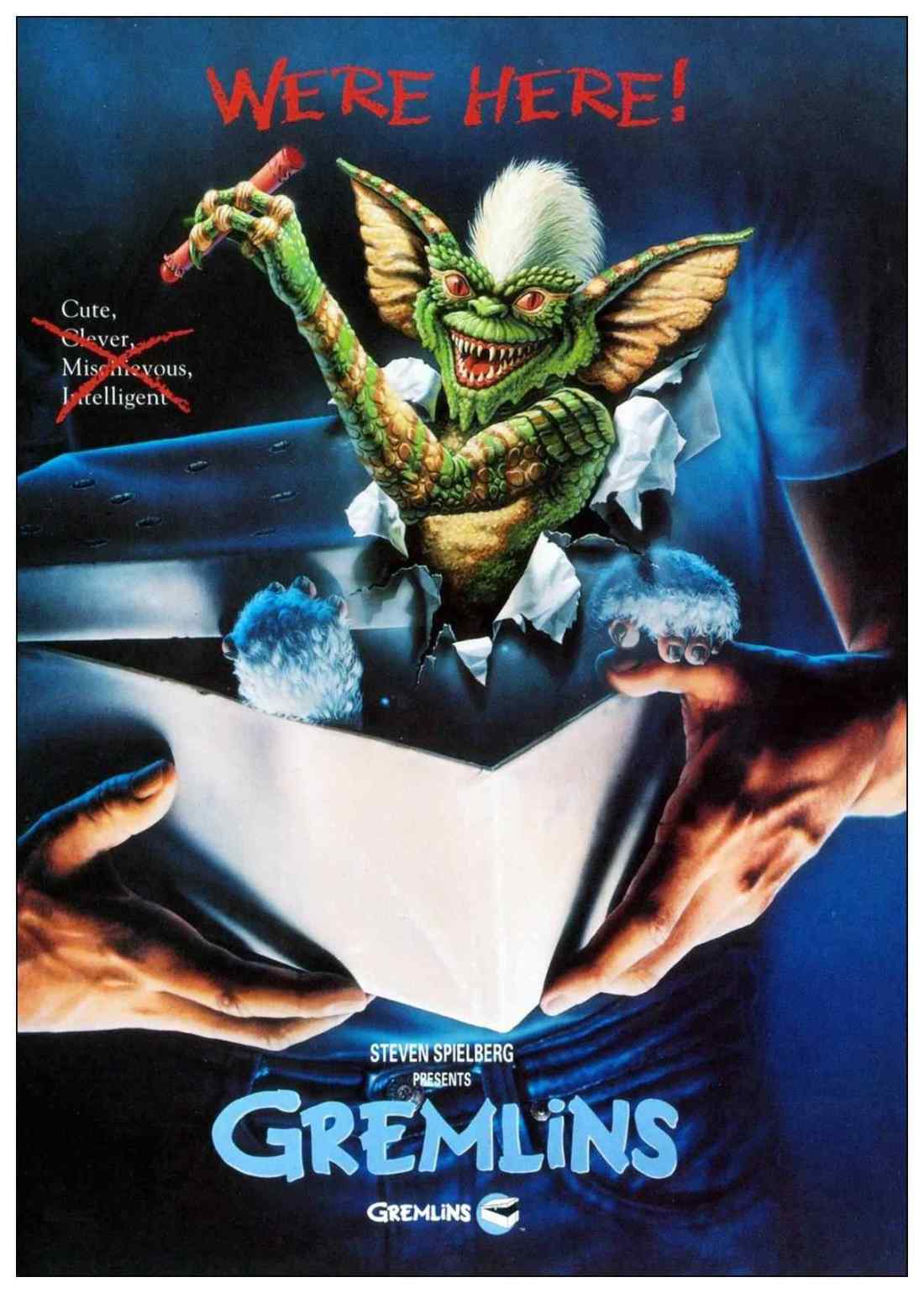
The idea of a Christmas film is usually something happy and upbeat, enjoyable by the whole family, things like Home Alone and the Santa Claus spring to mind. In that parameter, Gremlins doesn’t really fit in; it is a horror-comedy film, unusual Christmas movie fare. However, that’s what works so well about it; it subverts all the stereotypes about what defines a Christmas movie, while still being set at Christmas, coming across almost as a homage.

To give some background to the film, it was released in the summer of 1984; it was a considerable hit commercially and critically and, this along with Raiders of the Lost Ark lead to the creation of the PG-13 rating. The plot of the film revolves around Billy, (Zach Gilligan), as he receives a Gremlin, here called a Mogwai, from his father as a Christmas present. Upon receiving Gizmo the mogwai, Billy has to learn and keep to the stringent rules of ownership; otherwise, there will be disastrous consequences, to spoil it, he breaks the rules and chaos ensues.

This film portrays Christmas, not as this sweet idyllic time of the year, but rather as this crazy manic time where everything is continuously moving, a move which I find refreshing. Furthermore, the relationship between Billy and Gizmo is very relatable to anyone who has ever got a pet on Christmas morning, with this relationship being the beating heart of the film.

Gizmo himself is easily the cutest puppet in film ever; he has a distinct look that makes him easily recognisable and iconic. Furthermore, the facial movements of the character convey emotion to significant effect, leading you not only to root for Gizmo but also viewing him as somewhat of the main character. Comparatively, the evil gremlins, because yes, there are more gremlins, and some of them are or, become evil, actually inspire fear. The puppetry of these gremlins conveys malice and menace as their different design comes across as ugly and monstrous, which the film uses to great effect, showing us the difference between cute happy Gizmo and the evil other gremlins.

The humour in this film is also incredibly well done being funny and very endearing; the gore of the film also works to this extent. With a lot of the kills towards the end of the film, being quite comedic in their brutality, in almost a Zombieland esque kind of fashion.
There is so much charm and heart to this film that it quickly makes it’s self one of the most memorable films of the 80s, having a legacy that lives on way over 30 years later. The sequel, while still entertaining couldn’t live up to the heights of the first film and fell short in many ways. However there is now talk of a Gremlins series coming to the small screen, so there is clearly still demand after all these years.
In my opinion, the first Gremlins is a must-see and one of the best films to watch at Christmas, if only as a palate cleanser to all those sickly emotional Christmas films that plague the holiday season, like ghosts that refuse to die.

Angel has Fallen: What makes an Action Hero?

There is an art to being an action star; it’s something only few can do; fewer still convincingly. Therein lies today’s topic I want to talk about what makes a convincing action star, and how all that can and will change over time. When you imagine an action hero, you imagine a tough person in the prime of their life, ready and able to do whatever it takes to save the day. Keanu Reeves is believable in John Wick because he trains incredibly hard and has excellent stunt coordination. The is true of Sigourney Weaver in Aliens as well; she is a believable badass, due to a well-developed character and great set pieces/ stunt work. This brings us to the meat of what I want to talk about today the recently released blockbuster Angel Has Fallen.

Angel Has Fallen is the third film in the Fallen series, carrying on from the events of Olympus Has Fallen and London Has Fallen. The third film focuses on Mike Banning, (Gerard Butler), as he faces off against the Government when he is framed for murder. A big part of the film focuses on the effect being a Secret Service agent is having on Mikes health, as he is not the man he used to be anymore. Despite that being a theme, the action in this film comes off as some of the laziest and most uninspired of recent history. I understand from a plot perspective Mike can’t be doing the same things he was doing in the first film, but other than some shooting and running he doesn’t really do all that much.

Maybe I have been spoiled with well planned out, well-executed action movies like this year’s John Wick, but in any case, I don’t see a reason to release an action movie, when it is clear that no one really cares, cookie-cutter in the extreme might as well be this films tagline.

What makes this all the more troubling is Gerard Butler himself. There was a time at the start of the 2000s where Butler’s name was being said in the same breath as Jason Statham and Arnold Schwarzenegger when it came to action stars; this was mainly due to the release of 300, which catapulted Butler into action superstardom. Cut to now, and the performance he gives in Angel Has Fallen is one of tiredness, it is clear he doesn’t want to be there anymore; crucially he isn’t believable as the character in this film. I know Butler can do better than this, he proved he can still be a viable and menacing action star in last year’s Den of Thieves. However, none of what made his performance good in that film is carried over.

To conclude, I think the Fallen series needs to be taken out back and shot; it is the merciful thing to do. We are a long way from the heights of the first film and, the longer it goes on, the more unbelievable Butler becomes as an action star, which is a shame. My final thought is that Butler needs to think carefully about the roles he picks, focusing more on films like Machine Gun Preacher and Law Abiding Citizen, where he shone through as a relatable action star.
What’s more, for the love of all of us when Fallen 4 comes a-knocking, Gerard, don’t answer.

1.5/5

Reviewed by Luke

Diary of a Wimpy Kid and Coming of Age

Over the years a lot of films have tackled the issue of coming of age, it is a common theme in many works of fiction and will be for years to come. There is something inherently relatable about films like these; where no matter the protagonist, you find something that reminds you of your own formative years. No series, in my opinion, handles the ideas of growing up and maturing better than the Diary of A Wimpy Kid films, today’s post will be a look at the franchise and what it meant to a lot of people.
Diary of A Wimpy Kid is a 2010, coming of age film, following the life of Greg Heffley, (Zachary Gordon), as he tries to navigate the world of middle school, be the most popular, and one day be famous. The film is based on a series of best-selling children’s books that are beloved by millions, the films themselves like to wear their book heritage on their sleeve and will often open with an animated scene that is very reminiscent of the books.
The three core films follow Greg as he progresses through the years of middle school, and we grow up with him in a way, or at least I did. We the audience see his priorities change as he gets older in a very relatable way, in the first film he just wants to hang out with his friend Rowley, (Robert Capron) and, play videogames; the friendship between these two boys is something that underscores the whole trilogy. By the time the second film Roderick Rules is set we see that now Greg is interested in girls and his friendship with Rowley changes, this is a thing that has happened to all of us, that transition from being a kid and thinking girls or, boys are icky to then being in a relationship, and I think that this transition is captured beautifully by the films.
Not only this but, the family interactions too were well thought out and intentioned, in the first film we see how much Greg is scared of his brother Roderick, (Devon Bostick), and how the two are always at odds. However, in Roderick Rules, we see that the pair actually share a bond and that perhaps Greg has just prejudged his brother and is later corrected, we see this towards the end of the second film in a very bittersweet scene. Moreover, the third film shows us the relationship between Greg and his dad and how Greg is trying to make him proud and get along with him, despite having nothing in common and being two drastically different people. This part of the third film has a lot to say about father-son relationships, and a lot of it is profoundly authentic and affecting; it reminded me more than once of my own life.
Perhaps the thing the film does the best is the development of Greg himself; he starts off the first film as a selfish arsehole who only really cares about himself, with a lot of his friends and family suffering as a result. A lot of the conflict of the films from his falling out with Rowley in the first film, to that tear provoking moment with Roderick in the second film all come as a result of Greg’s actions. As the trilogy progresses, however, we see Greg become a better person as he matures, one who will do what’s right to make his friends and family happy; sometimes even at his detriment, although it usually works out for him.
I think though these films owe a lot to the incredibly well-written books that they take inspiration from, there is something special about these series of films, that resonates with the audience, reminding them of their own lives and families: because at the end of the day who hasn’t been the wimpy kid who just wanted to be popular.
In my opinion, there is no fourth film.

The Life and Death of Spider-man

Spider-man is one of Marvel’s most famous and beloved characters, as such, we have seen plenty of him on the big screen over the years; with three series and countless other properties attached to the character. It is these series and the future of the Webslinger I would like to talk about today, trying to keep it impartial from the whole Marvel Studios vs Sony spat; as they are both a little in the wrong.
The Sam Raimi Trilogy is to many the best of the Spider-man films to date, just don’t mention Spider-man 3, this was the first big-budget, big-screen adaptions of the character and a lot of people were very excited for it. Raimi’s trilogy nailed many vital details of who Spider-man is and what he stands for, showing his relationship with his Aunt and Uncle and as the series developed his romance with Mary Jane Watson. As the trilogy went on the films got bolder and bolder, diving further into Spider-man’s Lore; with many classic villains adapted, to various degrees of success. Therein lay the problem, as the series reached the end it started adding too many elements to the story, having so many plot threads they couldn’t all be addressed; whether by studio mandate or, by a poorly written script, it was this that would end Raimi’s trilogy on a sour note, and continue to be a problem going forward.
Years later talks broke down with Raimi to make the much speculated about Spider-man 4 and, so the Mark Webb Amazing Spider-man series was born. Webb set out right away to make sure his series of films was tonally and visually very different than the Raimi films that predated it. The humorous goofiness of the Raimi trilogy was swapped out for a more edgy and mature tone; they also favoured the Gwen Stacy romance over the Mary Jane one; all to set it apart. Of the three series, this one has the worst reputation, but I genuinely believe the first Amazing Spider-man film was excellent, the romance between Emma Stone and Andre Garfield was quickly the best and most moving part of the films. Then the Amazing Spider-man 2 came out, and just like Raimi’s third instalment, it was marred by the overuse of familiar villain characters, most likely in a hamfisted way of setting up a Sinister Six film so they could spin it out into another franchise.
Then for the third attempt at a Spider-man on the big screen, the character was returned to the MCU, where he could rub shoulders with the likes of Captain America and Iron Man. Many would say that these were the best Spider-man live-action films, and though the humour was pitch-perfect and Far From Home made me tear up a little, these films weren’t without their issues. Many didn’t like how symbiotic the relationship between Tony Stark and Peter Parker was, finding that the latter was losing some of his identity in favour of being more like the former, there is a scene in Far From Home that confirms this.
Now at the time of writing Spider-man is currently between fought over by Marvel Studios and Sony, with each wanting him for their films. However, what the character deserves is the chance to shine for who he is, rather than have him be just another part of a larger whole. Similarly, he deserves to have his story told the right away and not have nonsensical plot threads stuffed into his films just as an effort to set up other films to make more money.
Ultimately a great Spider-man story can be told with just a handful of characters, and a bit of careful consideration and both studios would do well to remember that.

The Exorcist: A Titan of Horror Cinema

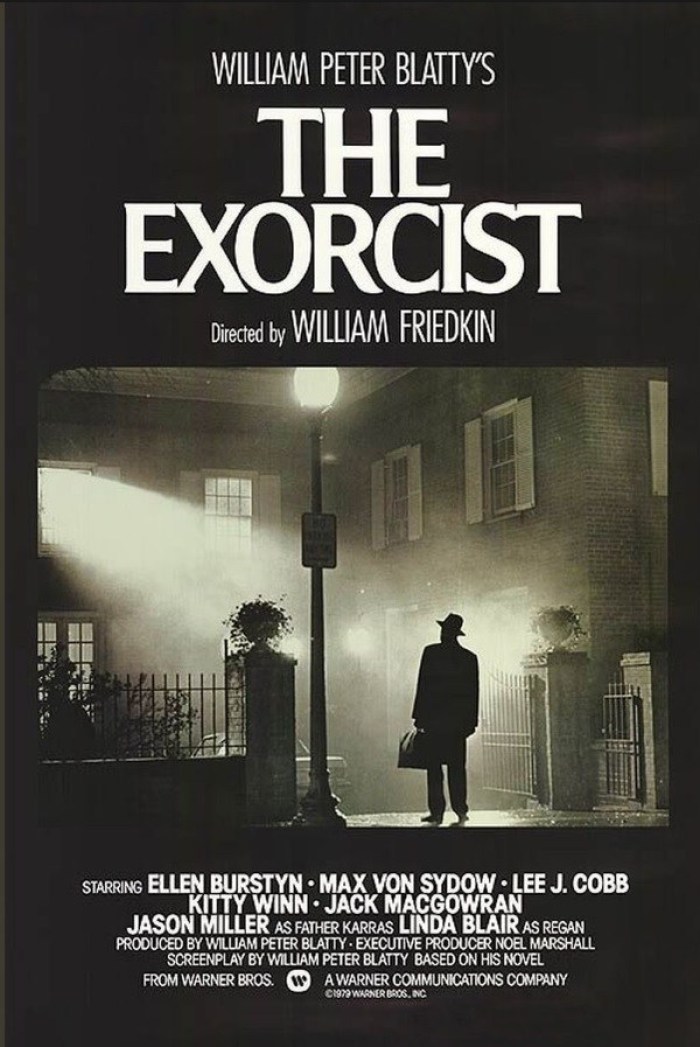
The Exorcist is a 1973, American horror film, revolving around the possession of Regan MacNeil; and the priests that try and save her soul. Though this premise seems like nothing new by today’s standards where we watch someone get possessed on the big screen, every other week, it was incredibly novel for its time. Upon release, it went to war with rating boards, who had never seen something, as they put it, “so obscene”, and there were reports of the film being so scary it was making people have fits in the cinema. So much so that the British government banned the film outright. Watching the film today and comparing it to the sort of things we might see in a 2019 horror film, the film looks incredibly tame and, it is hard to understand what upset censors so much; however it did push things in horror cinema upon release.
The Exorcist will always be one of the best horror films of all time and a must-watch: because despite almost being 50 years old the film is still just as chilling as when it first came out. The film puts the atmosphere and tension at the forefront, and we see a slow build in the demonic activity until it reaches vomiting green slime level. This is much appreciated as it leads the following actions to appear far more shocking by comparison, but also further enforces just how horrific the ordeal is for little Regan.
The practical effects work is also something to be revered, as some of the most iconic shots in all of horror cinema come from this film and they were all practical, the head-spinning scene is proof of my point.
The plot of the film never lets up, never giving you a minute to catch your breath, even at the end, the twists and turns keep coming; keeping you guessing even after the credits roll.
The acting in this film is the stuff of legend, and so many movies have tried to harness or harken back to it in more recent year, with Linda Blair selling the possession of Regan so well that you start to believe it. Max Von Sydow, plays the tired old priest, who is beginning to lose his faith brought out to fight the incarnation of evil, to perfection, quickly making him a horror icon.
Lastly, the dream sequences at the start of the film that mark the beginning of Regan’s possession, are so hauntingly beautiful, the cinematography for these scenes has almost a dreamlike air to it; which really help to give them their flavour and set them apart from the rest of the film.
The later sequels would go on to tarnish the film’s legacy to a degree, but nothing can, or ever will change that fact that this is one of the most impactful, inspiring, captivating horror films of all time. That is simply a fact.
Ps. The Exorcist TV show was pretty good as well.
5/5
Reviewed by Luke

A Beginners Guide to Anime

Anime typically describes Japanese Cartoons; these can come in all different varieties and genres, some appealing to kids, some to teenagers and some to adults. In many ways, this carries on from my previous post about the animation stigma over here in the west; said stigma being that cartoons and animation can only be enjoyed by kids; an untrue statement and one that is proven wrong by the existence of anime. A lot of anime, or at least the ones I’ve seen, deal with quite heavy, mature themes the sort only an adult audience would understand; that is because in Japan cartoons are seen as something everyone can enjoy.
Anyway, rant over, the subject of today’s post is how to get into anime, now I know for a lot of you who want to start watching anime it can be quite daunting, there are thousands of different ones to choose from and some of them have been going on for longer than you have been alive.
Worry not because it’s never too late to start, all you need to do is find one that sounds interesting and start watching it; you can even put dubs, (A different language voice-over), on if you don’t want to read the subtitles, but I don’t want to have that debate here.
Don’t be perturbed if it is a long-running series that just gives you more of the show you like; I like to watch shorter animes, but that’s just me.
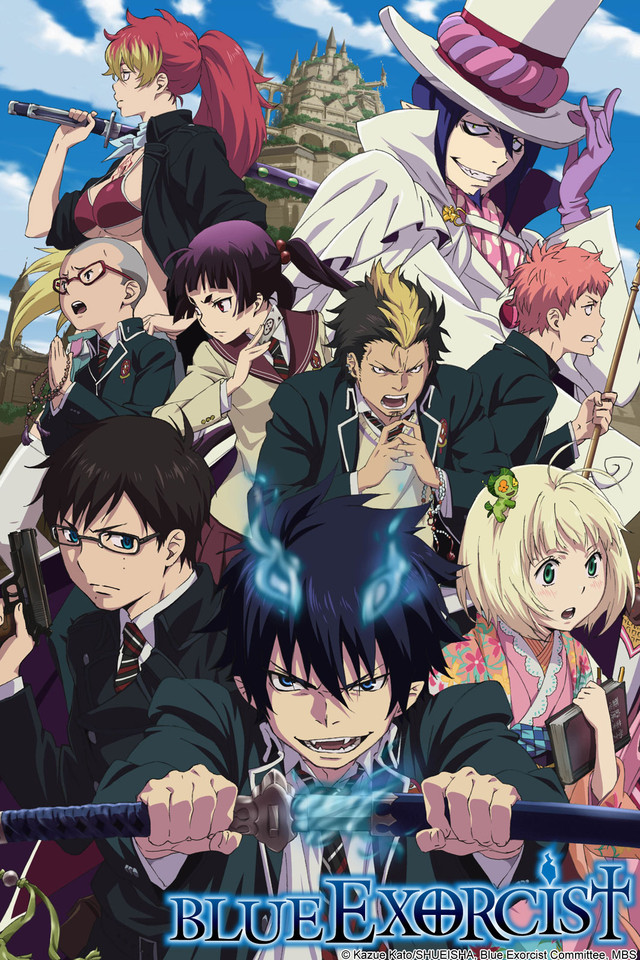
I think everyone should at least try and get into anime because it is so superb, there are worlds and character that you have to see and meet and ones that could only exist in anime. Everything from a dystopia where giant humans called ‘Titans’ are attacking the last bastions of humanity and its down to a brave group of teenagers to fight back, to a magical academy where exorcists are trained to fight back against demons, with the lead character being a demon, and son of the devil himself. It’s not all fantasy though, and there are plenty of other genres of anime for you to enjoy as well, these include science fiction, comedy and so much more.
I think not to give anime a chance is reductive, as you are shutting yourself out of this whole other culture, with stories and characters that can really affect you; and that is incredibly stupid.
One final point I would like to address is that I believe anime is sometimes unfairly painted as this pervy thing, but this idea comes from a lack of understanding and, just straight ignorance. Some animes might be a bit on the spicy side, but so are some films and comics it doesn’t mean that they are all like that, as such it shouldn’t be a stereotype that is applicable to all; for again that is just incredibly reductive.
So I challenge you all who read this, to go online, or to Netflix and find an anime you’re interested in and give it a go, I bet you won’t regret it. As for me, I’m going to start season 2 of Blue Exorcist on Netflix now.

Creature Design and Scary Stories to Tell in the Dark

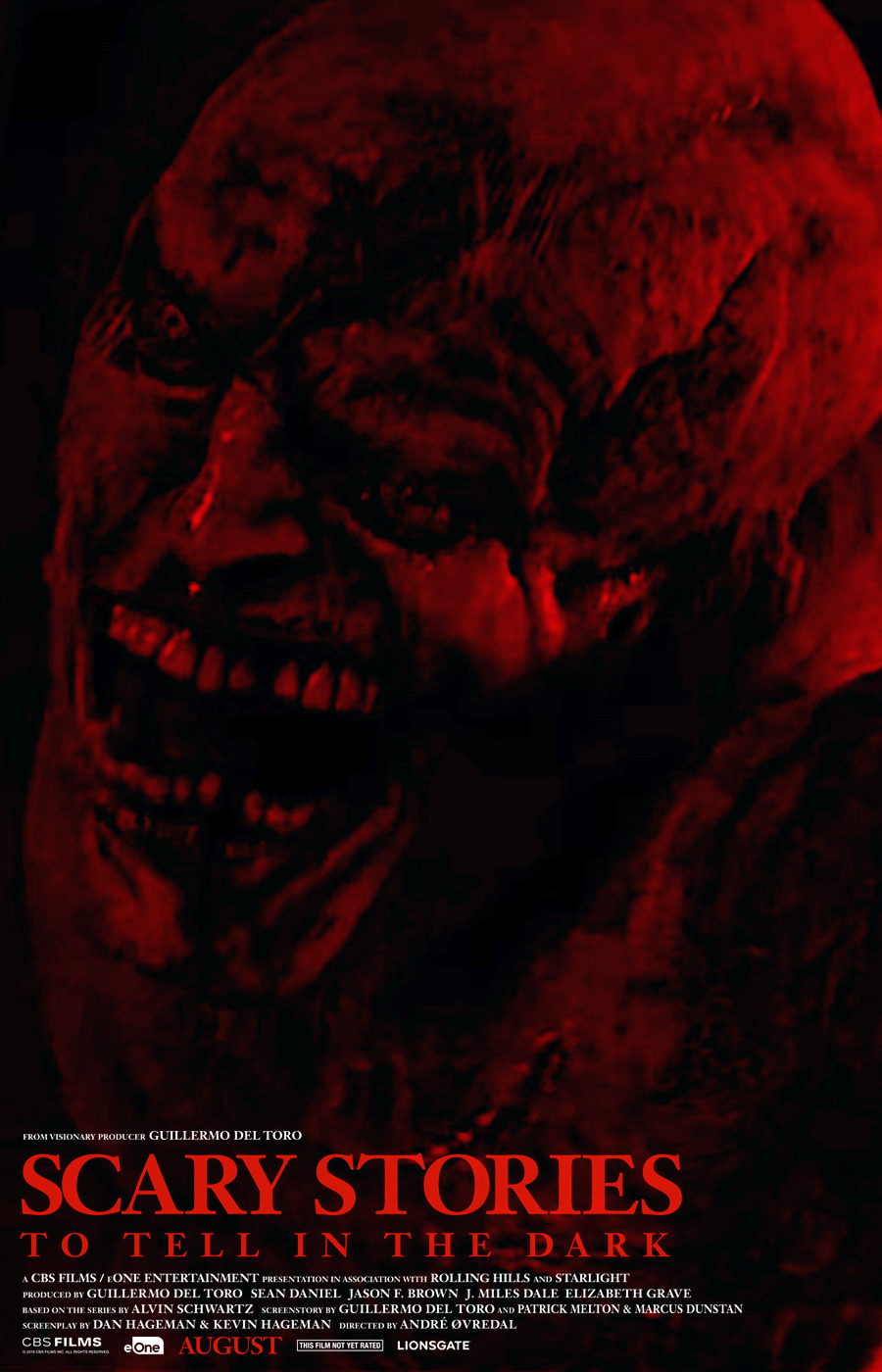
Across all of Horror Cinema, there have been a collection of creatures that have not only captured the imagination but, also terrified. These creatures have all been practical, not CGI. When you think of monsters like The Creeper from Jeepers Creepers, their looks sticks out because of how well designed and realistic it is. Creature design and attention to detail can mean the difference between a terrifying horror movie villain and a joke. It’s on that note I talk about the subject of today’s review Scary Stories to Tell in the Dark.
Scary Stories to Tell in the Dark is a horror film; based on the children’s books of the same name. The plot of the film revolves around a group of teenagers that find a book in an abandoned house, the curious leader of the group Stella, (Zoe Colletti), decides to take the book home; a decision she will regret forever. Once she takes it home and looks through it, stories start to appear on their own; targeting her and her friends.
Going into this film, I was expecting something akin to the Goosebumps film of a few years ago; with the stories coming to life and running amuck; how wrong I was. The stories that come to life feel personal and precisely tailored to each character, as the book plays off each one of their fears, whereas, in the other film, it was merely random. The scares work well and, though there are a few jump scares peppered throughout, there is also a keen scene of atmosphere and dread which permeates the film. However, the most praiseworthy aspect of the film’s horror is by far the creature design. Now there are several creatures in this film, as it is broken down in a collection of short stories, with a broader narrative to bind them all. Each separate creature is unique, and it is plain to see how much care has been put into them down to the smallest detail. This is no doubt the influence of producer Guillermo del Toro, who is known for his love of practical monsters. I believe these villains are the films greatest strength and help it to stand apart from the 1000 other generic horror films with forgettable monsters and demons.
The characters, unlike the monsters, are all rather one-note, being dull and nonmemorable. The group of kids never really graduate from the teenage outcast stereotype and, are more caricatures; you won’t remember who any of the characters are 5 seconds after the film ends and, you won’t remember their names during it. That said, the film is on the whole incredibly well done and impressive, even the low age rating doesn’t take away from the film, as it does in some cases, the horror and the deaths are all well-executed and chilling without the need for excessive gore, and I think that says a lot to the film’s credit.
Overall this was a horror film where you can tell the people making it care, the creature design speaks to that, it masters the subtle art of scares so entirely that you will be thinking of the film’s monsters long after you’ve gone home, shame the same can’t be said for the characters; this may well be the horror hit of the summer, and I for one can’t wait for more scary stories to tell in the dark,
4.5/5
Reviewed by Luke

Have we abused 80’s Nostalgia

The 1980’s as a period is fascinating, so many things we know and, love came from this decade and, many events that would shape the course of history; especially pertaining to ‘Pop Culture’ happened herein. In the year 2019, the 80s are long over. No one seems to know this better than film and television executives, who seem all too happy to cash in on the nostalgia and fond remembrance people have for this part of the 20th century. Though a statement of fact it is not intrinsically a bad one, as due to this 80’s nostalgia we have Glow and Stranger Things, two outstanding shows in their own rights.
However, as I was sat watching the recently released third season of Stranger Things, I began to think have we seen enough from this decade? I’m starting to think we have. Somewhere around the 30th reference to some obscure 80s trend, I realised the entertainment industry needs to find a new decade to mine. The popularity of decades come and go we’ve had 60’s and 70’s phenomenons before that have for the most part come and gone, and in time the ’80s will do that as well. That said, Hollywood has used the 80’s, and more specifically, the nostalgia of this period for as long as almost 20 years. Freaks and Greeks the hit Jud Apatow series that kicked started the career of a lot of famous actors today was the first example of a show that harkened back to that period, though little over 10 years later. So this trend of glorification has been happening since the late 90s. Since then we have had 100s of projects that have been inspired by the period, with everything from Red Oaks to Wet Hot American summer. I think nostalgia can work well, in small doses, but when done to an obscene degree can become not only tacky and cheap but a hallmark of bad writing. A reference to something popular in the 80s can be easily thrown into a script to both pad a shows runtime and also force the audience to feel some emotion. To that end I think this is no longer working, the reasons for this are two-fold, one people are starting to wise up to these blatant tugs on the nostalgia cords and secondly a considerable part of the movie-going public wasn’t alive in the 80s so can’t relate and don’t understand the references. So with all that said I think we need to move a decade later and start milking 90s nostalgia instead. Now I’m not saying that shows like Stranger Things and Glow need to end, just that with new and upcoming shows maybe they should lean away from the 80s because it’s tapped out. To an extent, we can see this generational shift happening around us, mainly in comic book action films like Venom, with the titular symbiote being a mainstay of the 90s, add to this that Captain Marvel is set for a large part in the 90s and you can see the change coming. Ultimately to answer the questions I posed at the start of this post, yes I think we have overused the 80s, and we do need to move on, but at the same time the period a film is set in should help to sell the world, the time period should never be the main focus to the extent it takes away from the story. We need films about characters, not time periods.

Angry Birds 2 and the Animation Stigma

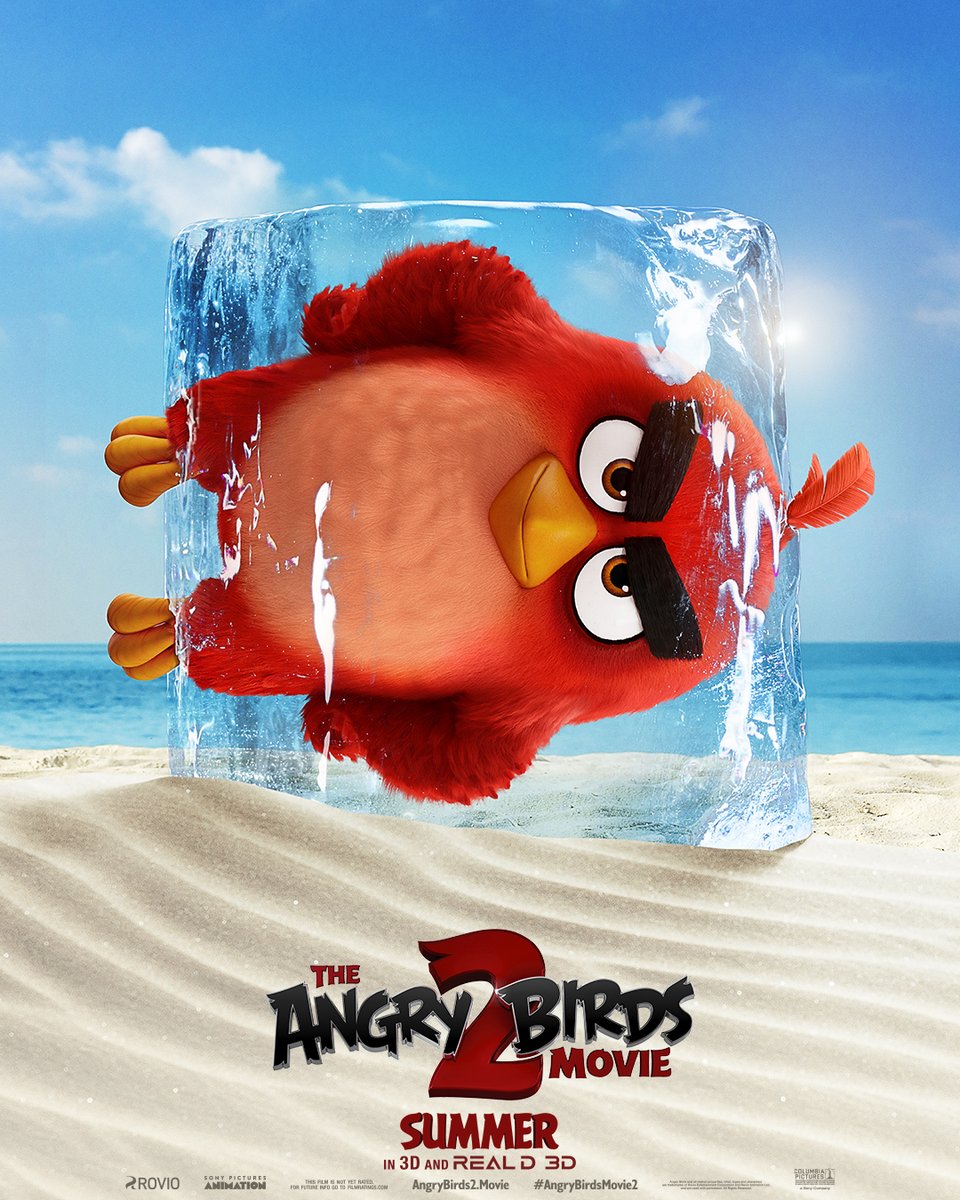
Animated films have been around for well over 50 years, and they first came to be to show the potential of Cinema, to be able to show what is effectively art on the big screen. When these films first came out they were intended to have mass appeal to be viewed and enjoyed by everyone, but somewhere over the years animated films became just for children; with everyone who is not a child and likes them being made to feel some shame about it. How did it get to be this way? Well, probably because early cartoons and animated features were aimed at more mature audiences and had humour and themes that adults would respond to and enjoy, an excellent example of this would be the Flintstones. However, as this new medium began to grow companies and executives, began to think about merchandise. Adults weren’t buying merchandise, or at least not to the same scale kids would in the decades later, so companies started to release new animated films and cartoons that would appeal to kids, viewing them as an untapped market. This brought the era of “Saturday Morning Cartoons”, and though in more recent times there has been a rise in adult animation again with the likes of South Park and Rick and Morty, animation is still seen as something mainly aimed at kids; all because of that one fateful shift. This is a massive shame because it means a lot of people miss out on some of the best stories and films because they think they’re too old for them; which is entirely untrue. Everyone can enjoy animated movies and to think differently is not only dumb but, also funding the trend of live-action remakes I have previously mentioned. That brings me to today’s subject, Angry Birds 2. I fell victim to the preconceived notion of what animated films were when I went to see this; I was proven to be a fool, and henceforth will go and see animated films with an open mind.
Angry Birds 2, is an animated adventure comedy, based on the mobile game of the same name. In this instalment, the heroic Birds are forced to team up with their Piggie rivals when an even more significant threat appears which could spell the end for both civilizations. I thought the animation was beautiful, with each character having a clear and distinct look. The voice cast all worked well too; they didn’t bring me out of the film to think ‘oh that’s Danny McBride’, which helped me to get lost in the world far more quickly. The themes of the film while not new, the fear of being forgotten, or alone, resonated with me and I thought Red’s, (Jason Sudeikis), character arc over the film was well done and added something to the character. With the over characters adding nicely here and there. For me, the real highlight of the film was the side story of the Hatchlings, who lost one of their member’s little sisters and so had to go through a series of wacky adventures to try and get them back, each more whimsical and unbelievable than the last. I believe it is these sequences that capture the heart of the film, and I would gladly watch a whole film just focusing on the Hatchlings and their adventures.
To Conclude, animation is something that can and should be enjoyed by people of all ages, as these tales have something to offer us all; and Angry Birds 2 proves that and shows how great and touching a film can be.

4/5
Reviewed by Luke

Dora and the Lost City of Gold

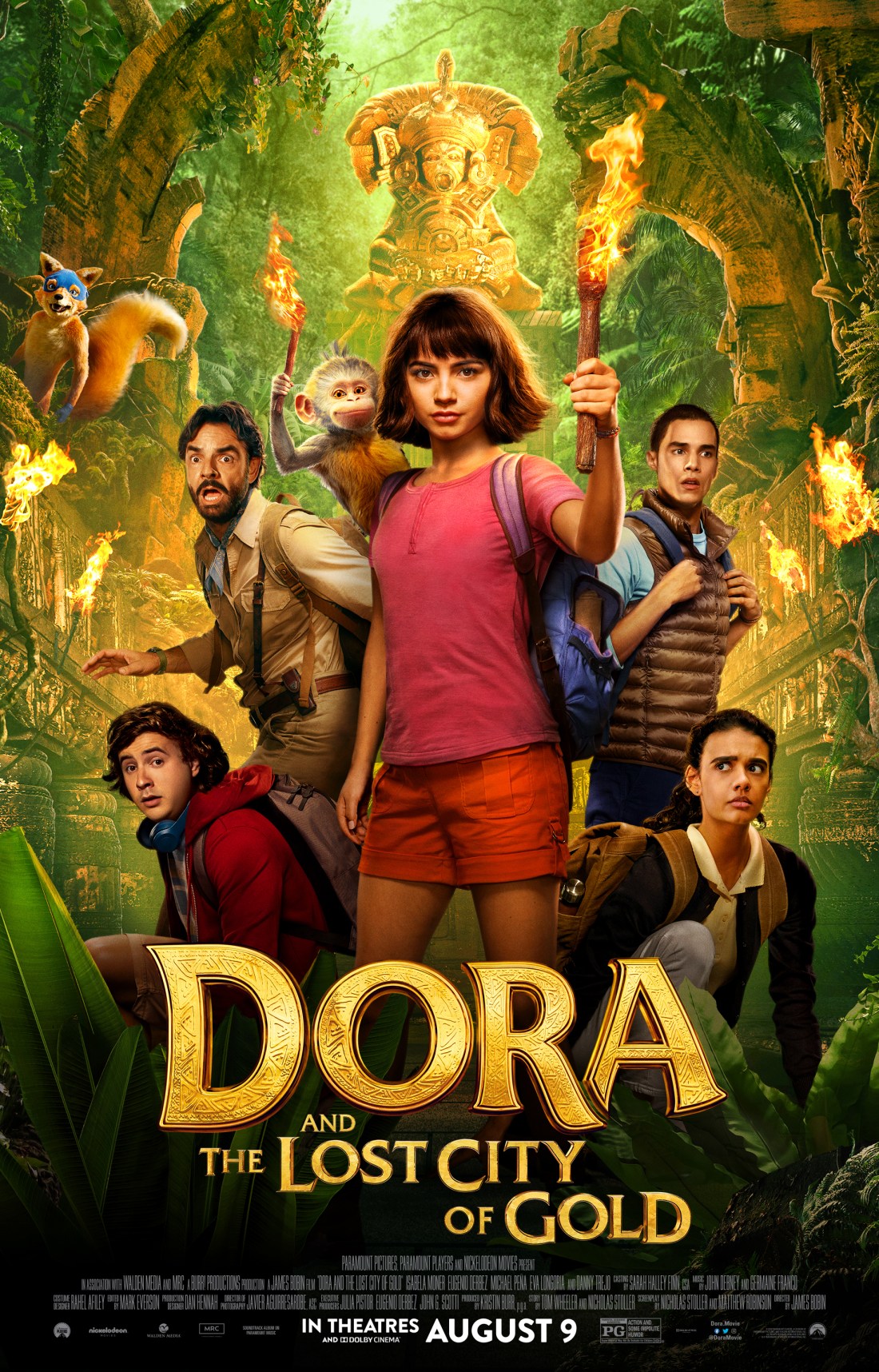
Dora and the Lost City of Gold is a family action and adventure film based, of the Dora the Explorer kids TV program. The plot revolves around Dora, (Isabela Moner), going to the city after her parents go away on an expedition. Once there she meets her cousin Diego, (Jeff Walhberg), who she has not seen in 10 years and tries to adapt to high school; then through a strange series of events ends up being shipped back to the jungle to try and track down the titular Lost City of Gold, Diego and plucky group of friends in toe. Now before I get into it, the main reasons I wanted to see this film was that it looked hilariously bad and, because it hit me with a lot of nostalgia from my childhood. I wasn’t disappointed the film overall is very funny, there are laughs that both children and adults will find amusing, these range from fart jokes as they walk through quicksand, to self-referential jokes about the nature of the show, mainly Dora talking to the camera and saying, “now you say”. The comedy works greatly as Moner plays it mostly straight, seemingly unaware that what she is doing is weird, or odd.
Furthermore, her father played by Micheal Pena is also a standout of the film making for some hilarious scenes. To continue on the thread of funny scenes, I would be remiss if I didn’t talk about the drug-induced hallucination scene. Said scene takes place towards the film’s third act, as the gang are running through a field of flowers that all release spores, these spores make the characters view each other and the world around them, in the same art style as the TV show, this scene is a masterstroke, as it shows audiences what they know and love and was easily my favourite of the whole film. This film doesn’t just appeal to children there is also a lot for adults to like especially the high school sequences which have a lot of culture clash humour, which is a welcome twist on the show. The animated characters of Boots and Swiper easily steal the show, Swiper is funny and likeable while also being threatening and believable as the villain. Benicio Del Toro’s captures the character perfectly he’s memorable as the character, and I would like to see him reprise the role in further films. Danny Trejo voices Boots Dora’s pet monkey which she claims can talk and in one hilarious scene he does, and Trejo milks it for all its worth; being one of the films best scenes. The adventure of the film is rather standard it never really does anything that any other movie hasn’t done before, so if you’re going for novelty or originality, this may not be the film for you.
Overall, Dora and the Lost City of Gold might not be anything new, in terms of adventure films, but it is fun wholesome fun for the whole family, it captures the spirit of the show and adds something new to it with a self-referential take. There is a lot to love about this film, and it is one that both parents and kids can enjoy together.

4/5
Luke