Slasher Horror: The Genre That Refuses To Die

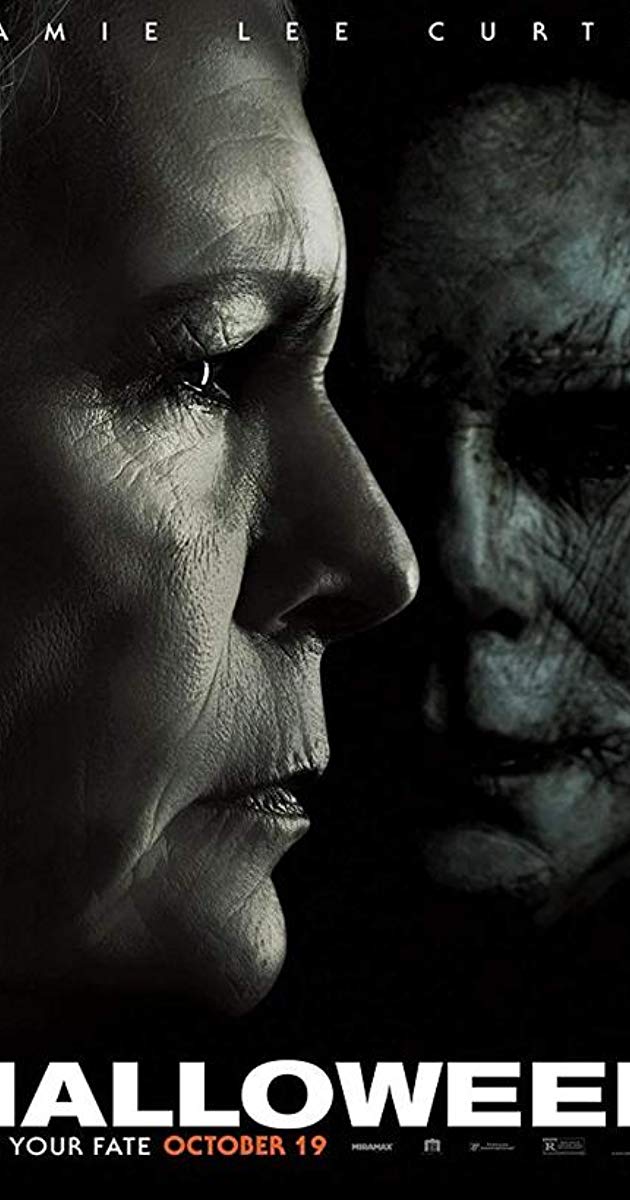
A ‘Slasher’ film for those of you who don’t know is a type of horror film usually focusing on a group of people, in most cases teens, who are hunted down one by and one and killed. Sometimes this can be done with the standard escaped lunatic trope, Halloween the original, or sometimes the killer can have more of a supernatural bend, like Freddy from the Nightmare on Elm Street series.

The Slasher sub-genre has been around in one form or another for decades, stretching all the way back to the 1960 release of Alfred Hitchcock’s Psycho. The film’s villain, Norman Bates, is the first example we see of what would become the horror staple slasher. Following on from this we had the release of Black Christmas, which is getting a 2019 remake, and the Texas Chainsaw Massacre, both released in 1974; this kicked the sub-genre off, and proved that these sort of films was where the horror was heading.

The film that would go on to solidify the identity of what a Slasher film can and can’t be, as well as bring about the trope of the ‘Final Girl’, was John Carpenters Halloween; this is seen as the first of the modern slashers and would become the template for what other horror movies and franchises would do down the line.

The 80s were the prime time for Slasher horror, with the release of Friday the 13th at the end of the 70s going into the 80s as well as more from the Halloween franchise, and a little film called Nightmare on Elm Street. All of these films put their spin on the slasher formula, with the 1980s release of Child’s Play being the most novel making the evil slasher a doll. However, franchise fatigue was beginning to set in.

Over the 1980s the market had become saturated with Slasher horror and audiences were starting to get sick of it. The big franchises had become more and more silly, as a way to try and keep the concept new and exciting; here’s looking at you Friday the 13th. As such, when the 1990s rolled around, a film was released which exposed as well as poked fun at all of the sub-genres rules and tropes; this film was Wes Craven’s Scream.

Scream was released to massive applause and praise, with it almost being a parody, but still remaining scary, and most importantly innovative. The release of Scream helped to breath new life into the Slasher genre, but this was only short-lived. With more schlocky slasher films like Wrong Turn and Hatchet being made in this brief window, but all of this was not enough to save the genre; as we reached the end of the 90s, the Slasher horror was on its way out. Another contributing factor in this decline was the late 90s release of The Blair Witch Project, which pushed horror cinema in a completely different direction, found footage.

Throughout the 2000s the big Slasher franchises continued to release films, whether reboots or, sequels no one asked for and a lot of them came out to minimal fanfare and even fewer ticket sales. All hope for Slasher movies coming back to the forefront of horror cinema seemed lost. Then the news was announced that Danny McBride, know for his comedy roles, wanted to write a new entry for the Halloween series, this film would ignore all the terrible sequels that followed the original; when the movie came out it was met with praise at every turn and made a large amount of money for the studio; naturally two sequels to this film were announced thereafter. Now at the time of writing there is talk of a new Friday the 13th film as well as a Nightmare on Elm Street film, and though there still are terrible Slasher movie sequels being released, 2019’s Child’s Play and the Leatherface origin story, the Slasher genre still has one last gasp in its lungs and, one last scare to give.

IT Chapter 2 and the mass appeal of Horror.

Horror cinema has been around for decades, and over the years it has grown in popularity more and more, to the point that now when IT chapter 2 comes out, it can be a huge hit. I want to talk about why that is, and how horror has gone from a very niche thing to rising to prominence in mainstream culture; then I’ll touch on my thoughts for IT chapter 2.

Horror Cinema has always had a dedicated audience whether its kids and teenagers going to see matinees back in the 50s and 60s, to the rise of Hammer Horror. However, it has never been a genre that Studios have seen as viable for a broad audience, as it forgoes a lot of the profitable demographics. The reason for this is that not everyone likes to be scared, unlike comedy that can appeal to a lot of people, the desire to be scared and in effect horror, in general, is far more niche. Furthermore, horror can offend people they may not think that a film showing such a thing, should be viewed.

Despite that in recent years with the rise of giants like Blumhouse and A24, horror is very much in vogue; it continues to rise and rise with more and more people seeing it as not only profitable but also a creatively free genre, with marketing agencies and big studios realising there is a lot of money to be made off the dedicated fan base that there has always been for horror.

That brings us to the film I am going to cover today, IT Chapter 2.
Chapter 2 carries on from the 2017 release of IT, based off the Stephen King book of the same name, about an entity that preys on the townspeople of Derry, Maine; every 27 years. Where the first chapter focused on the Losers Club, the main protagonists, as children, Part 2 sees them returning as adults when Pennywise the Dancing Clown, the before mentioned entity, awakens from his slumber; to have one final showdown.

I believe in many ways, this film was not as good as the first chapter and a far cry from the 90s miniseries, but it was never going to be. IT Chapter 2 suffered from something a lot of big films do these days, that is being overhyped, these films get talked about and talked about to such an extent that they have to be a perfect film otherwise people are going to feel disappointed, and to a degree cheated; very few films can live up to this standard.

My thoughts on the film can be summed up like this, for a movie that runs for nearly 3 hours, it feels rushed. A lot of key scenes, in terms of character development, from the book are left out; such is the issue with trying to stuff a mammoth book into two films. Adding to this fact, and making it all the worse, is that this film suffers from severe pacing issues. Whilst there are elements of comedy in the original novel it is never front and centre, conversely in this film, there are scenes where comedy is artificially forced in, why this is done is beyond me as it takes away from any sort of tension.

Additionally, though the main characters are well cast and all the actors do a good job, Pennywise, for many people the selling point of these films, is mostly underused, with him being reserved mainly for the final act.
This leaves us with a lot of boring scenes of the Losers Club members walking the streets of Derry and reminiscing about their childhoods, with the occasional jump-scare put in to remind you, that although you may have forgotten, you’re watching a horror film.

Ultimately though there are good aspects, this film feels rushed and also overly drawn out at the same time, and that is something that ruins the movie overall; with it needing a tighter focus.

3/5

Reviewed by Luke

A Beginners Guide to Comic Books

Ever since I was young, I loved reading comics; indeed, my obsession with Marvel and DC superheroes almost began in-utero. From as young as I can remember I have kept up with adventures of Batman and Spider-man, and as I have got older my tastes changed; I moved away from superhero comics, except for Moon Knight, and found a whole other world of comics and graphic novels that have nothing to do with superheroes at all.

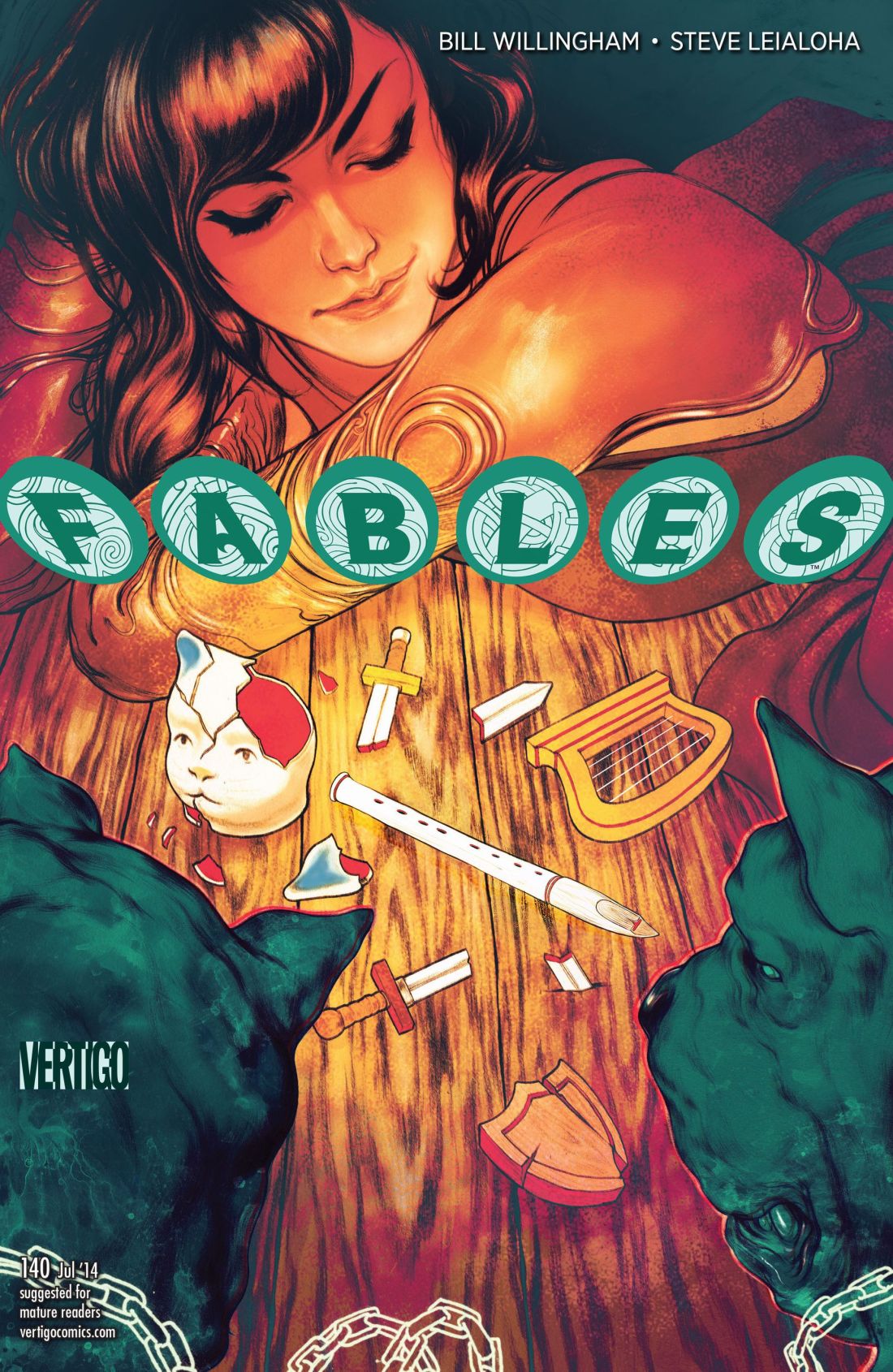
My first foray into this world came as I started reading Bill Williamson’s Fables, which still stands as my personal favourite comic series ever, a series in which classic fairytale characters find themselves in our world in the present day. What makes the comic series so superb is that it manages to merge the silly wimsey of fairytales with the grittiness of real life; to a fantastic end.

So the subject of today’s post is how to get into, and hopefully love comics. In recent years a lot of people are getting into comics thanks in no small part to the mass success of the MCU, but there are so many different comics it is hard to know where to start. Ultimately it depends what you’re looking for if you’re trying to get into Marvel or, DC then every few years they will have significant events that restart the in-comic universe and make it more approachable for new readers. Failing that you can always find older issue of any series you want to get into at any good comic shop. If you want to get into non-superhero comics, then it’s even more accessible, as most of the time these series don’t have hundreds of back issues to sort through. As well as this most major comic publications have online services where you can read all of their comics for a fee.

How I handle reading comics is, I don’t try and keep up with every series from a particular brand, Marvel, DC, Boom, Dark Horse; instead I find authors I like and stick to their runs, exploring maybe one or, two other comic series a month. I believe this makes keeping up with comics way easier.

The reason everyone should try and read comics is not only because comics are cool, but also because so many of them have something different to say, and show the world from another viewpoint. To me, comics are the most original medium, as the creators are only really bound by the limits of their imagination, especially if they’re writing for an independent publisher. You can go from reading a comic about vampires across time to one about people who freeze time when they orgasm, the amount of variety and creativity is unlike anything found elsewhere.

To conclude I think everyone should give comics ago, yes it’s not going to be for everyone, but you might just read something that captures your imagination and engrosses you, and for some of the characters and worlds alone I think you should pick up a comic book today!

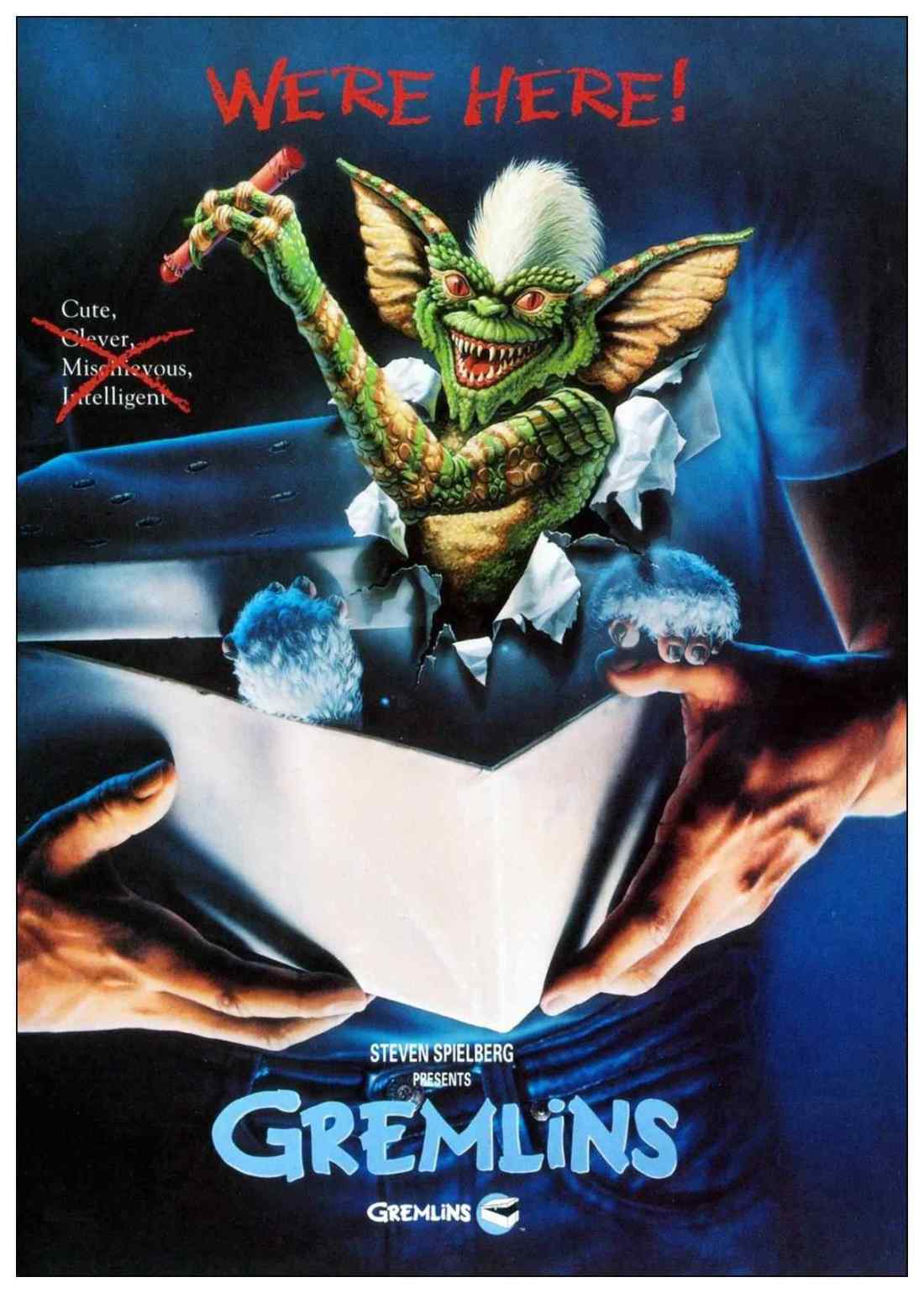
Gremlins: The Best Christmas Film

With summer coming to a close we begin the slow march towards Christmas, it really does get earlier every year, as such I want to write about my favourite Christmas/ Holiday movie of all time; Gremlins.

The idea of a Christmas film is usually something happy and upbeat, enjoyable by the whole family, things like Home Alone and the Santa Claus spring to mind. In that parameter, Gremlins doesn’t really fit in; it is a horror-comedy film, unusual Christmas movie fare. However, that’s what works so well about it; it subverts all the stereotypes about what defines a Christmas movie, while still being set at Christmas, coming across almost as a homage.

To give some background to the film, it was released in the summer of 1984; it was a considerable hit commercially and critically and, this along with Raiders of the Lost Ark lead to the creation of the PG-13 rating. The plot of the film revolves around Billy, (Zach Gilligan), as he receives a Gremlin, here called a Mogwai, from his father as a Christmas present. Upon receiving Gizmo the mogwai, Billy has to learn and keep to the stringent rules of ownership; otherwise, there will be disastrous consequences, to spoil it, he breaks the rules and chaos ensues.

This film portrays Christmas, not as this sweet idyllic time of the year, but rather as this crazy manic time where everything is continuously moving, a move which I find refreshing. Furthermore, the relationship between Billy and Gizmo is very relatable to anyone who has ever got a pet on Christmas morning, with this relationship being the beating heart of the film.

Gizmo himself is easily the cutest puppet in film ever; he has a distinct look that makes him easily recognisable and iconic. Furthermore, the facial movements of the character convey emotion to significant effect, leading you not only to root for Gizmo but also viewing him as somewhat of the main character. Comparatively, the evil gremlins, because yes, there are more gremlins, and some of them are or, become evil, actually inspire fear. The puppetry of these gremlins conveys malice and menace as their different design comes across as ugly and monstrous, which the film uses to great effect, showing us the difference between cute happy Gizmo and the evil other gremlins.

The humour in this film is also incredibly well done being funny and very endearing; the gore of the film also works to this extent. With a lot of the kills towards the end of the film, being quite comedic in their brutality, in almost a Zombieland esque kind of fashion.
There is so much charm and heart to this film that it quickly makes it’s self one of the most memorable films of the 80s, having a legacy that lives on way over 30 years later. The sequel, while still entertaining couldn’t live up to the heights of the first film and fell short in many ways. However there is now talk of a Gremlins series coming to the small screen, so there is clearly still demand after all these years.
In my opinion, the first Gremlins is a must-see and one of the best films to watch at Christmas, if only as a palate cleanser to all those sickly emotional Christmas films that plague the holiday season, like ghosts that refuse to die.

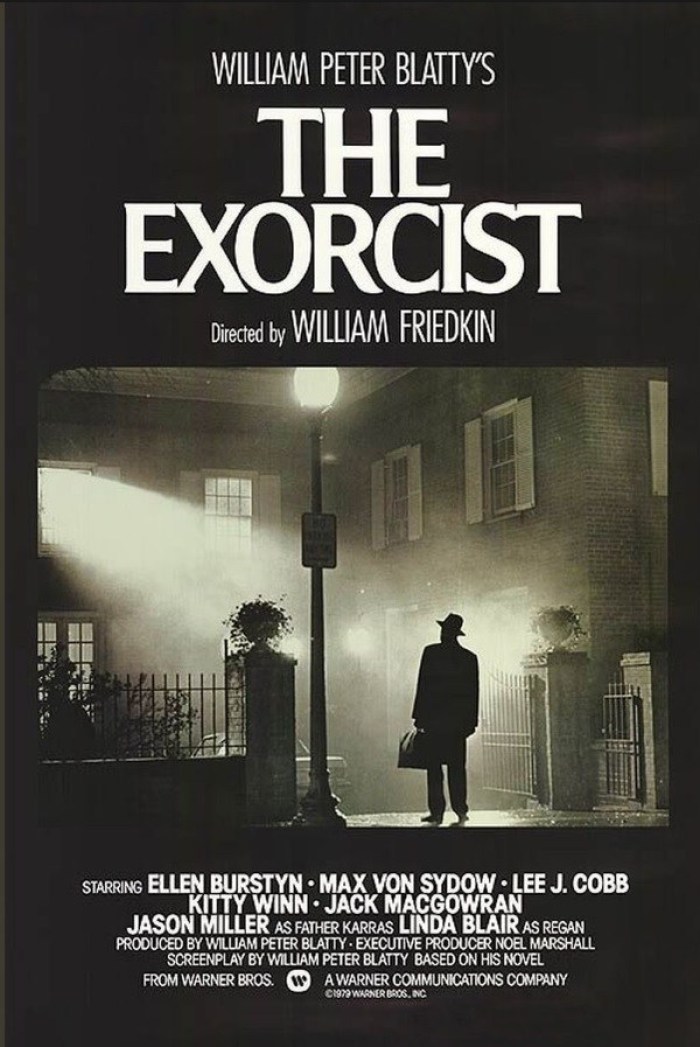
The Exorcist: A Titan of Horror Cinema

The Exorcist is a 1973, American horror film, revolving around the possession of Regan MacNeil; and the priests that try and save her soul. Though this premise seems like nothing new by today’s standards where we watch someone get possessed on the big screen, every other week, it was incredibly novel for its time. Upon release, it went to war with rating boards, who had never seen something, as they put it, “so obscene”, and there were reports of the film being so scary it was making people have fits in the cinema. So much so that the British government banned the film outright. Watching the film today and comparing it to the sort of things we might see in a 2019 horror film, the film looks incredibly tame and, it is hard to understand what upset censors so much; however it did push things in horror cinema upon release.
The Exorcist will always be one of the best horror films of all time and a must-watch: because despite almost being 50 years old the film is still just as chilling as when it first came out. The film puts the atmosphere and tension at the forefront, and we see a slow build in the demonic activity until it reaches vomiting green slime level. This is much appreciated as it leads the following actions to appear far more shocking by comparison, but also further enforces just how horrific the ordeal is for little Regan.
The practical effects work is also something to be revered, as some of the most iconic shots in all of horror cinema come from this film and they were all practical, the head-spinning scene is proof of my point.
The plot of the film never lets up, never giving you a minute to catch your breath, even at the end, the twists and turns keep coming; keeping you guessing even after the credits roll.
The acting in this film is the stuff of legend, and so many movies have tried to harness or harken back to it in more recent year, with Linda Blair selling the possession of Regan so well that you start to believe it. Max Von Sydow, plays the tired old priest, who is beginning to lose his faith brought out to fight the incarnation of evil, to perfection, quickly making him a horror icon.
Lastly, the dream sequences at the start of the film that mark the beginning of Regan’s possession, are so hauntingly beautiful, the cinematography for these scenes has almost a dreamlike air to it; which really help to give them their flavour and set them apart from the rest of the film.
The later sequels would go on to tarnish the film’s legacy to a degree, but nothing can, or ever will change that fact that this is one of the most impactful, inspiring, captivating horror films of all time. That is simply a fact.
Ps. The Exorcist TV show was pretty good as well.
5/5
Reviewed by Luke

A Beginners Guide to Anime

Anime typically describes Japanese Cartoons; these can come in all different varieties and genres, some appealing to kids, some to teenagers and some to adults. In many ways, this carries on from my previous post about the animation stigma over here in the west; said stigma being that cartoons and animation can only be enjoyed by kids; an untrue statement and one that is proven wrong by the existence of anime. A lot of anime, or at least the ones I’ve seen, deal with quite heavy, mature themes the sort only an adult audience would understand; that is because in Japan cartoons are seen as something everyone can enjoy.
Anyway, rant over, the subject of today’s post is how to get into anime, now I know for a lot of you who want to start watching anime it can be quite daunting, there are thousands of different ones to choose from and some of them have been going on for longer than you have been alive.
Worry not because it’s never too late to start, all you need to do is find one that sounds interesting and start watching it; you can even put dubs, (A different language voice-over), on if you don’t want to read the subtitles, but I don’t want to have that debate here.
Don’t be perturbed if it is a long-running series that just gives you more of the show you like; I like to watch shorter animes, but that’s just me.
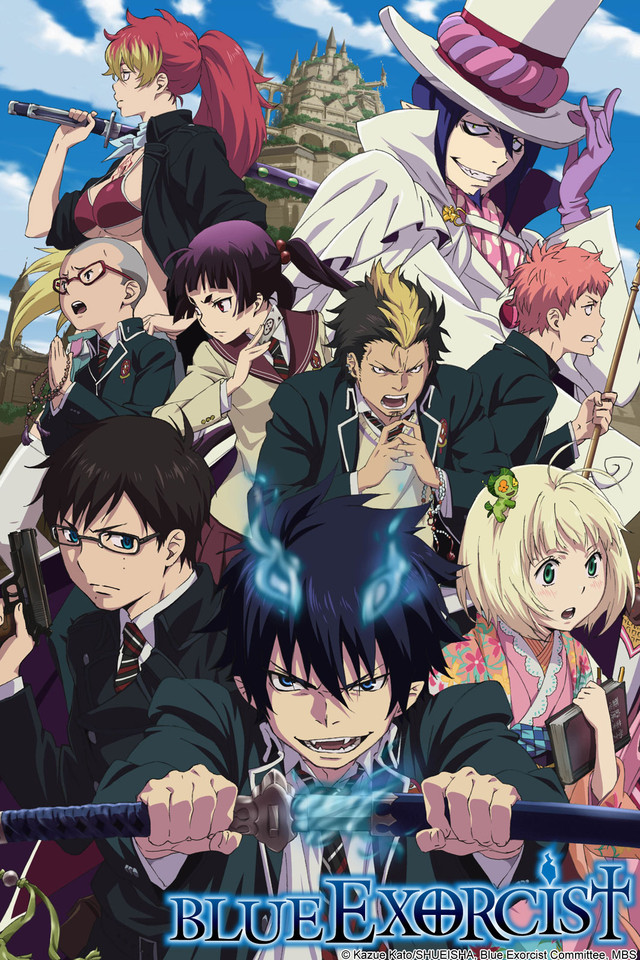
I think everyone should at least try and get into anime because it is so superb, there are worlds and character that you have to see and meet and ones that could only exist in anime. Everything from a dystopia where giant humans called ‘Titans’ are attacking the last bastions of humanity and its down to a brave group of teenagers to fight back, to a magical academy where exorcists are trained to fight back against demons, with the lead character being a demon, and son of the devil himself. It’s not all fantasy though, and there are plenty of other genres of anime for you to enjoy as well, these include science fiction, comedy and so much more.
I think not to give anime a chance is reductive, as you are shutting yourself out of this whole other culture, with stories and characters that can really affect you; and that is incredibly stupid.
One final point I would like to address is that I believe anime is sometimes unfairly painted as this pervy thing, but this idea comes from a lack of understanding and, just straight ignorance. Some animes might be a bit on the spicy side, but so are some films and comics it doesn’t mean that they are all like that, as such it shouldn’t be a stereotype that is applicable to all; for again that is just incredibly reductive.
So I challenge you all who read this, to go online, or to Netflix and find an anime you’re interested in and give it a go, I bet you won’t regret it. As for me, I’m going to start season 2 of Blue Exorcist on Netflix now.

Creature Design and Scary Stories to Tell in the Dark

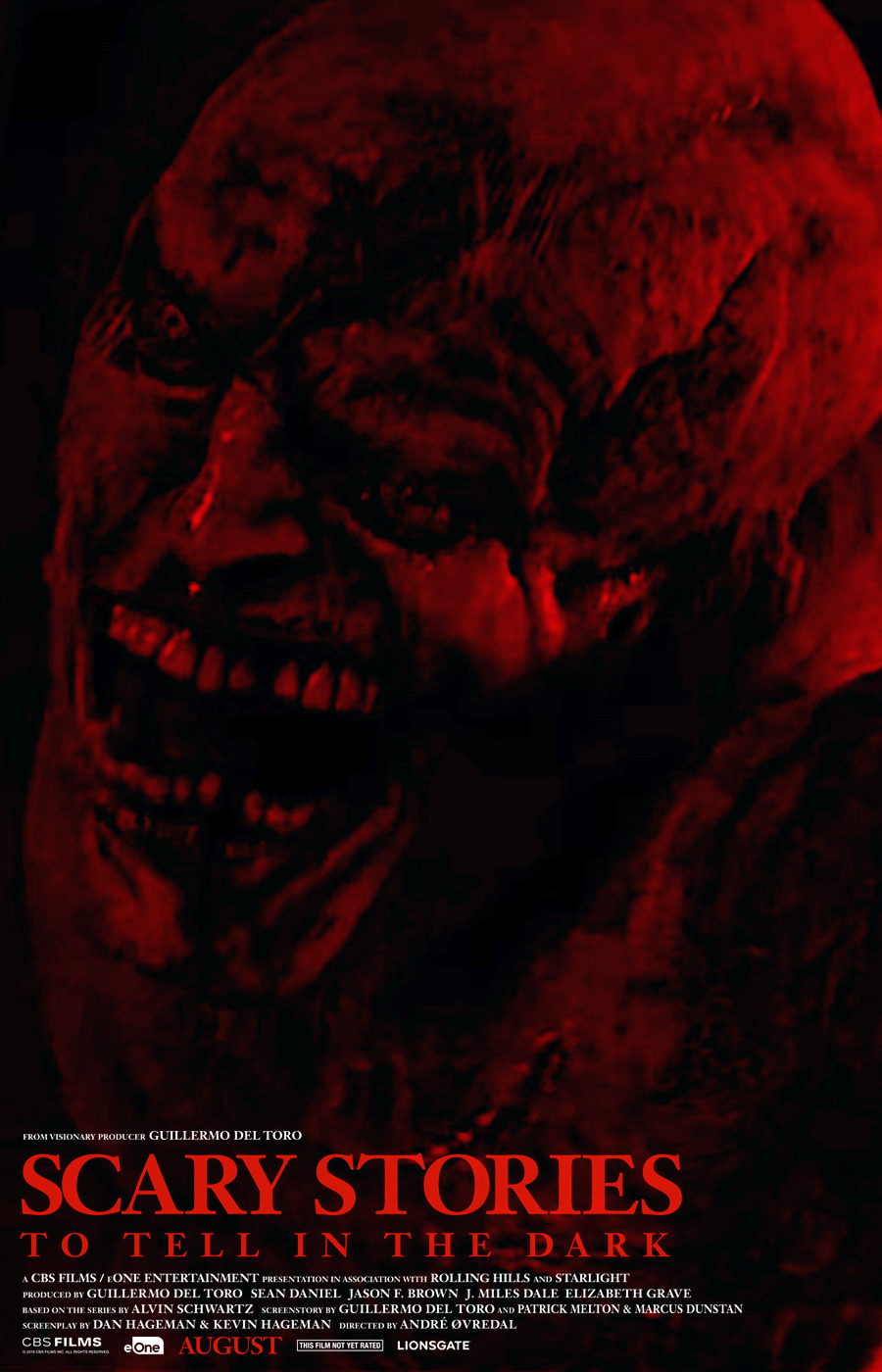
Across all of Horror Cinema, there have been a collection of creatures that have not only captured the imagination but, also terrified. These creatures have all been practical, not CGI. When you think of monsters like The Creeper from Jeepers Creepers, their looks sticks out because of how well designed and realistic it is. Creature design and attention to detail can mean the difference between a terrifying horror movie villain and a joke. It’s on that note I talk about the subject of today’s review Scary Stories to Tell in the Dark.
Scary Stories to Tell in the Dark is a horror film; based on the children’s books of the same name. The plot of the film revolves around a group of teenagers that find a book in an abandoned house, the curious leader of the group Stella, (Zoe Colletti), decides to take the book home; a decision she will regret forever. Once she takes it home and looks through it, stories start to appear on their own; targeting her and her friends.
Going into this film, I was expecting something akin to the Goosebumps film of a few years ago; with the stories coming to life and running amuck; how wrong I was. The stories that come to life feel personal and precisely tailored to each character, as the book plays off each one of their fears, whereas, in the other film, it was merely random. The scares work well and, though there are a few jump scares peppered throughout, there is also a keen scene of atmosphere and dread which permeates the film. However, the most praiseworthy aspect of the film’s horror is by far the creature design. Now there are several creatures in this film, as it is broken down in a collection of short stories, with a broader narrative to bind them all. Each separate creature is unique, and it is plain to see how much care has been put into them down to the smallest detail. This is no doubt the influence of producer Guillermo del Toro, who is known for his love of practical monsters. I believe these villains are the films greatest strength and help it to stand apart from the 1000 other generic horror films with forgettable monsters and demons.
The characters, unlike the monsters, are all rather one-note, being dull and nonmemorable. The group of kids never really graduate from the teenage outcast stereotype and, are more caricatures; you won’t remember who any of the characters are 5 seconds after the film ends and, you won’t remember their names during it. That said, the film is on the whole incredibly well done and impressive, even the low age rating doesn’t take away from the film, as it does in some cases, the horror and the deaths are all well-executed and chilling without the need for excessive gore, and I think that says a lot to the film’s credit.
Overall this was a horror film where you can tell the people making it care, the creature design speaks to that, it masters the subtle art of scares so entirely that you will be thinking of the film’s monsters long after you’ve gone home, shame the same can’t be said for the characters; this may well be the horror hit of the summer, and I for one can’t wait for more scary stories to tell in the dark,
4.5/5
Reviewed by Luke

Masters of Horror 3: Robert Eggers

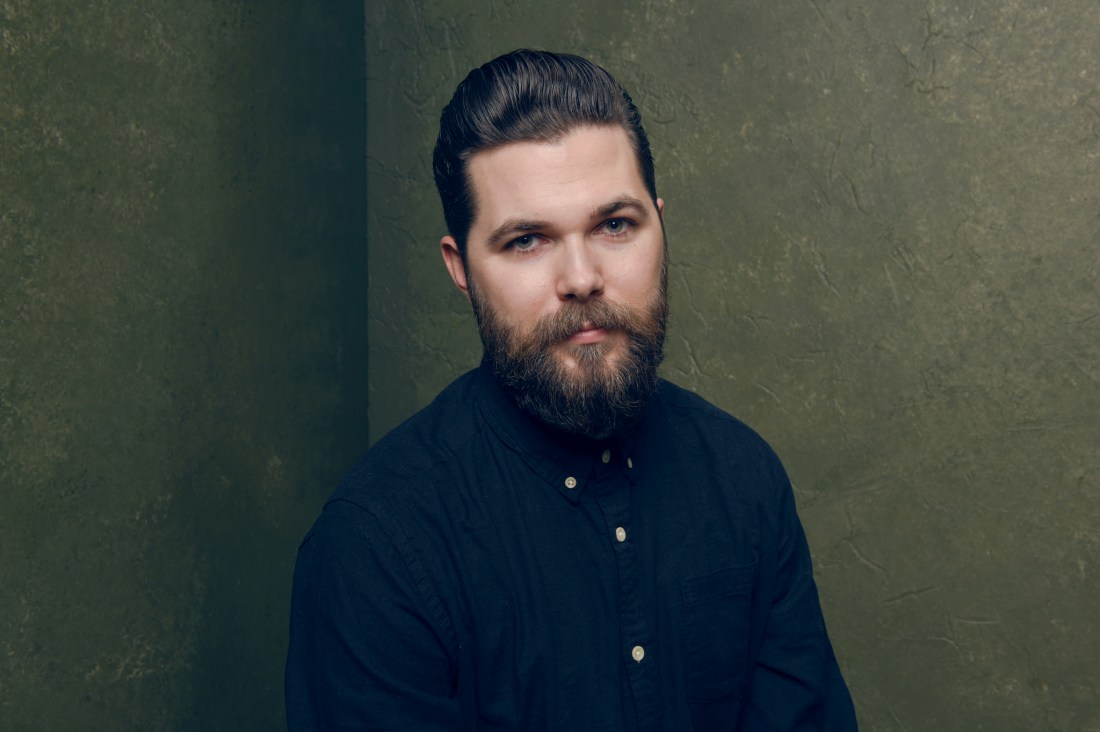
The Masters of Horror is a series of articles discussing the upcoming faces of the horror genre, and what makes them noteworthy and standout. Today’s subject needs no introduction; he is the A24 darling, the pride of Film Twitter he is, of course, Robert Eggers.
Of all the names in this series, Eggers has directed the least number of feature films, but the one he did direct, 2015’s The Witch, was such a chilling hit, that it put Eggers on everyone’s list of directors to keep an eye on.
Cut to 2019 and Eggers second film the Lighthouse has released images, at the time of writing, only and everyone in the horror and film community is already ablaze with intrigue. This illustrates just how utterly brilliant Eggers feature film debut was.
The Witch is a hard sell on many levels, for one thing, the characters talk in Old English which at times can be hard to understand, and secondly, the plot suffers from the same thing Aster’s is said to do, namely, being overly drawn out and boring.
However, if you get past this, you see it for the masterpiece it is and know how both of those complaints are invalid. The plot focuses on a family who is excommunicated from the church and is left to fend for themselves in the wilderness; while being stalked by the Devil Himself.
The events of the film are very intricate in that you need to pay attention to the smallest detail to be able to figure out quite what is going on; this lends the film to re-watching, as I have re-watched it at least four times learning something new every time. Furthermore, there is a beautiful juxtaposition of thoughts as you are left thinking is the family just going insane or, are there evil demonic forces at work. The atmosphere of the film is oppressive right from the start, with a building sense of dread that never leaves, only intensifies. The cast is superb, with each actor bringing something to the film in a meaningful way, even the three child actors in the movie are good, if a little hate-able, which is no small feat.
However, the breakout star of the film is Anya-Taylor Joy, who went on to be in Split and the as of yet unreleased New Mutants. Joy works so perfectly off the themes Eggers employs, such as the corruption of the youth and freedom through sin vs servitude through morality. Throughout the film, we see her character become more and more tempted to sin, as eventually she is forced into a situation where it is her only hope.
Eggers plasters religious allegories and metaphors throughout the film, which only serve to heighten this duality between good vs evil in the most well-thought-out way. With each character dying by the hand of their own deadly sin.
Eggers’ film is so utterly oppressive and enthralling that he easily deserves a place amongst the Master of Horror, and if his second feature film outing The Lighthouse can keep this same tone and effect then it could easily be one of the best horror films of the generation, possibly even up there with the Witch.
A final fact of note is that Eggers is working on a remake of the classic vampire film, Nosferatu which I couldn’t be more excited for, I can’t wait to see Eggers take and hopefully deconstruction of what is a vampire.

Annabelle Comes Home and the over-saturation of the Conjuring Universe.

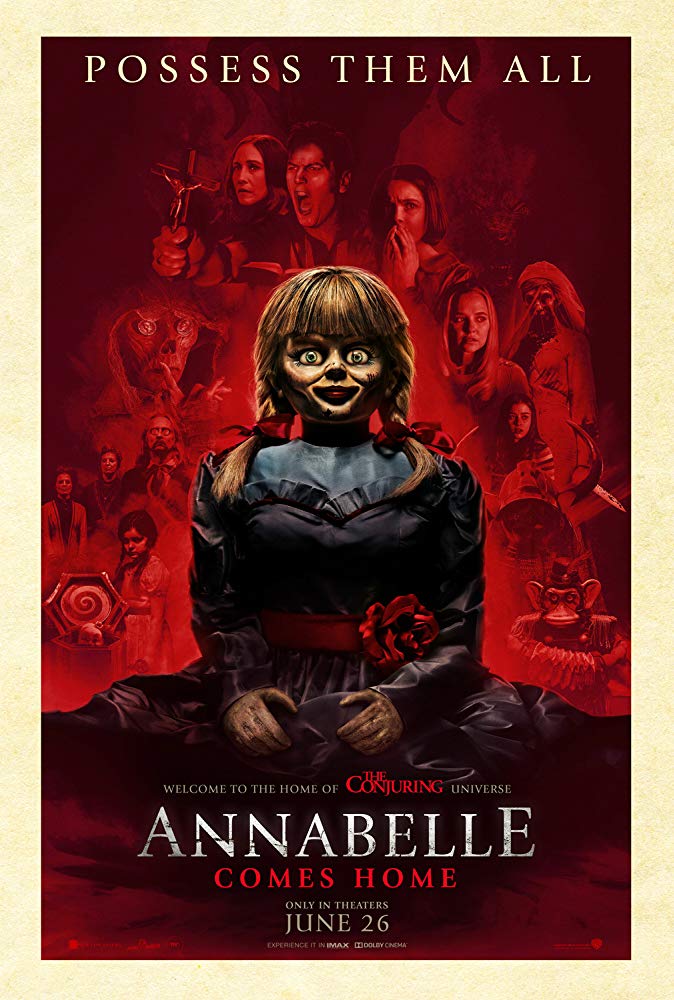
Annabelle comes home is the latest film in The Conjuring Universe and the third in the Annabelle series; about the killer doll of the same name. This newest entry answers the question of what happens after series heroes The Warrens take Annabelle home for the first time. That said Ed and Lorraine Warren, (Patrick Wilson and Vera Farmiga) are mostly absent for the entirety of this film with it instead focus on the rag-tag group of the Warren’s daughter Judy, her babysitter Mary Ellen and her friend Daniela as they battle Annabelle and a series of spooks and demons. Therein lies the problem with this film; it feels like a Conjuring 2.5 that no one wanted. For those who aren’t intimately familiar with the Conjuring series the first Annabelle film setup what she can do and her place within the universe after being introduced all the way back in the original Conjuring, and then the second Annabelle film established her creation and backstory. In short, this third film served no purpose, the end of the original Conjuring reveals the dolls addition to the Warrens collection, so in terms of broader narrative this film added very little new. Whats-more this film makes it painfully apparent that Warner Brothers are testing the water to see what new spin-offs they can make, the Bride? The Ferry Man? That suit of samurai amour? To this end it the film almost feels cheap with it just being used as a test case.
Furthermore, I found the inclusion of the Warren’s annoying as I and many others would have just preferred the Conjuring 3; where they would have something interesting to do, instead of just being around to plan their kids birthday party. Moreover, and this is a problem not only with this film but the wider Conjuring Universe, the scares have become that formulaic that they are no longer scary if you have seen one movie you have seen them all. The over-reliance on jump scares and audio ques is painfully apparent, and the audience is noticing; this film has been one of the worst performers of the whole CU. My criticisms are coming from a place of love as I genuinely do have a great fondness for these series, I feel burnt out, disappointed, disenchanted with what once was great. This latest entry while not a bad film by any means is a beacon of everything I’m saying and is incredibly average. The cast is a collection of stereotypes and cliches, with one having a dead parent who she feels responsible for; haven’t we all heard that one before. The only member of the cast who makes you feel anything is horror veteran Mckenna Grace, who plays Judy as vulnerable and in need of some friends. What makes her character so good is the reason she is alone is that all of the other kids know what her parents do and fear her for it, making for an interesting to think about the dynamic between parent and child; with a sweet moment in the end. Ultimately this film is more like a feature-length episode of Goosebumps, having lost all the edge that made the franchise so popular. While I remain hopeful for the Conjuring 3, this film shows a worrying trend in the Conjuring movies, reaping the lack of scares that comes with using the same jump scares over and over again. It’s watchable if not memorable.

2.5/5

Luke

Masters of Horror 2: Jordan Peele

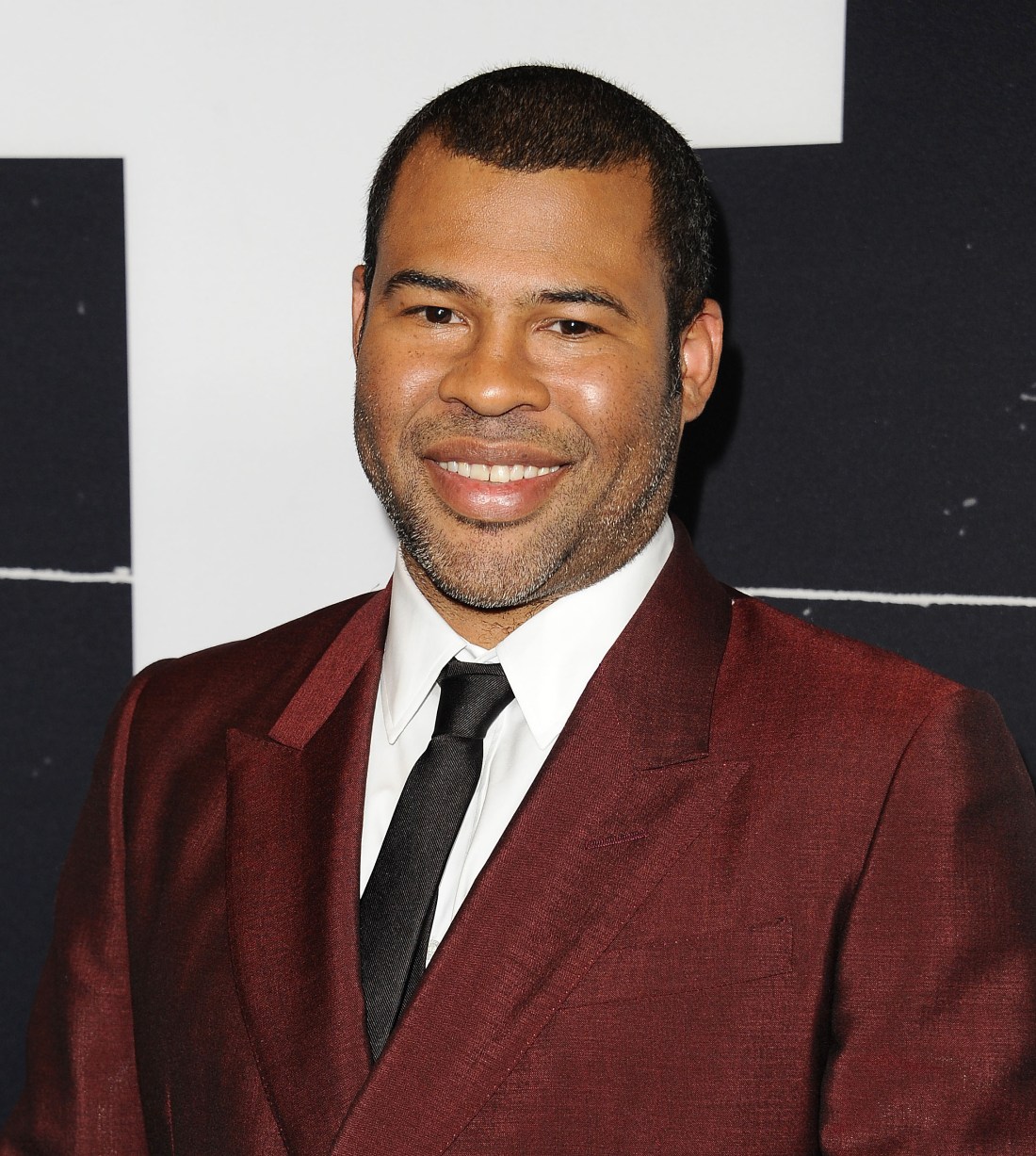
So to briefly recap, The Masters of Horror is a series of articles I’m writing in which I drive into new and upcoming names in horror cinema, to hopefully inspire you the reader to check out these visionaries and their works. Said creators and directors are all bringing something new to the table with their specific creative visions; none more so embody this than today’s subject Jordan Peele. Peele rose to prominence as a comedian with his friend Keegan- Micheal Key; having proven his comedic genius over many years of performing, with Toy Story 4 and Keanu as proof. However, in 2017 it all changed Peele took a substantial left-field turn into horror, this, of course, was his film Get Out.
In the lead up to Get Outs release, many people were skeptical as to whether a horror film written and directed by a comedian could be good. Then the first trailer came out, and all the doubt turned into cautious anticipation. When Get Out released audiences realised just how misplaced their suspicions had been, being met with was a horror film that made you think. The horror wasn’t in jump scares; there were no demonic possessions or over-reliance on gore; instead, it focuses on a man going to meet his girlfriends family for the first time, a very personal and human fear. Admittedly this was no ordinary family; instead, a family obsessed with the ideas of racial superiority and a strange form of hypnotism, but hey it’s a horror film. The subtle racial tensions that coursed through the film’s veins added an extra layer of not only uncomfortability but also social commentary. Get Out was an unexpectedly massive hit with it becoming far more significant than anyone would have ever expected it to be. This significance mainly comes from Peele’s breed of horror, which focuses itself on themes of identity and races taking his horror cues from human nature and the inner darkness within us all. Much like the subject of part one Ari Aster, Peele likes his films to be ambiguous, for them to be able to be interpreted different ways by different people lending them more to debates and theory crafting. Peel’s second release US, a film with more of a conventional horror threat evil, killer doubles, shows this almost without question as the film poses many questions, who are the Teethered, why are they so hell-bent on murder, and what does the whole Hands Across America event have to do with the overall narrative? None of these questions have answers, and that is by design; with Peele most likely knowing that the answers he could provide are less satisfying than the ones in people’s heads; there is an intense horror in ambiguity after all. Peele is very keen to show us all that real fear can lurk below the surface, sometimes literally, and can come from even the most mundane of circumstance. In this current year of 2019, you can’t have a conversation about horror cinema without Peele’s name coming up, and that is an incredibly good thing, as his approach is undeniably fresh and novel. With a new Peele horror film releasing horror fans are feverish with excitement, and I believe that is because he, much like some of the other names on this list, can be trusted to provides us horror fans with a much-needed break from the same old possession or haunted house horror film. For his deep dive into what drives us not only as people but society through the means of horror, I think Jordan Peele is very deserving to be amongst the ranks of the Masters of Horror.