Interview With Matthew I. Schmidt: Writer and Director Of Mr Sandman

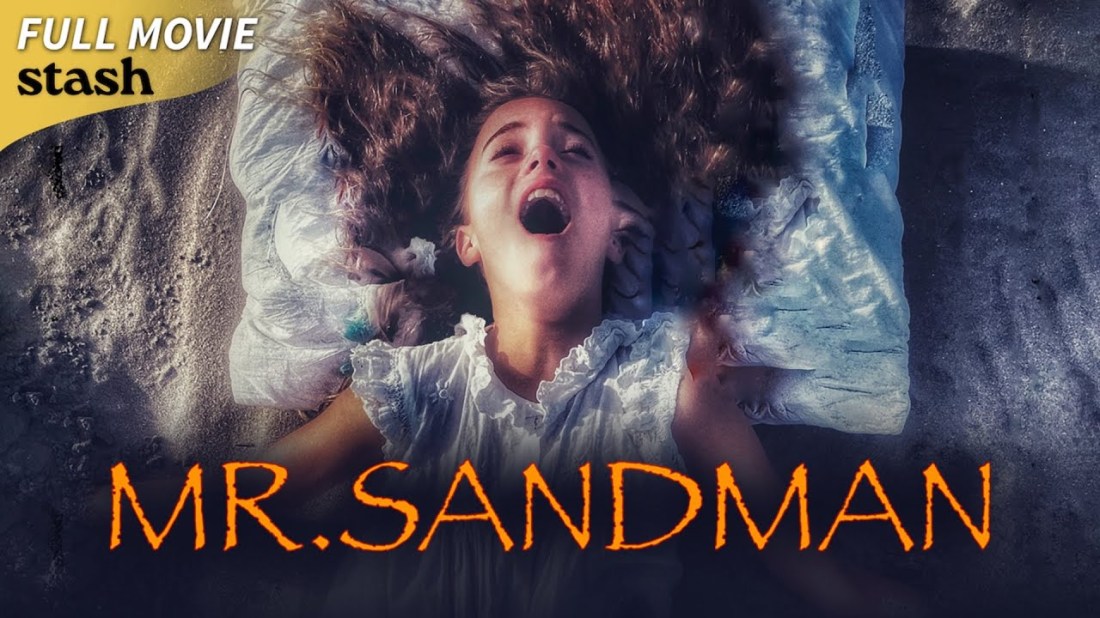
I recently sat down with Matthew I. Schmidt to talk about his new film MR Sandman, in the interview we talk about horror, jump scares and scariest of all contact lens.

AMR: What Is your favourite horror film?

MS: My favourite horror film is the Exorcist though my favourite all round film is Jaws and many people do consider that a horror film.

AMR: What films inspired you when making this film?

MS: When I was making this a lot of The Shining came into play with certain slow camera moments that I used, a lot of Poltergeist definitely a lot of Poltergeist came into play, such as the little girl in the bed, the storms, certain camera angles from that too. The fear of being in bed and stuff moving around the room like with the little boy from Poltergeist.

Another obvious influence is of course A Nightmare On Elm Street what with the whole dream factor.

AMR: How would you say your film adds to the horror genre?

MS: I think this film adds to the horror genre in the sense that though you have films like A Nightmare On Elms Street I don’t think in horror, or in cinema in general, touches on dreams enough. I think that the ‘dream world’ is a very underused platform for movies in general, but for horror it just doesn’t seem to be used enough as the main platform, I know that characters have nightmares in films, horror or otherwise, but it never seems to be the main platform of the ‘dreamworld’ or the combination of that with the childhood fear of the dark.

AMR: What is one thing you love about modern horror filmmaking and one thing you hate?

MS: With modern horror movies I can’t help but think about the James Wan style, and I would say the visuals these days have been very impressive with regard to films like Insidious with the demons, or maybe The Nun or the Conjuring two.

I think the visuals in these films have been really strong and impactful, I think they are using darkness well as well as how sometimes the demonic character will just stare and that builds tension.

What I don’t like is when modern horror movies use CGI. Whilst I love CGI I think it has a place such as in a superhero film, but in horror movies I think it comes off as cartoonish and I think keeping the creature, whatever it may be, in the dark and using subtly when it comes to creating scares is more effective as opposed to an over the top and in your face CGI creations. I think too much CGI in horror is bad, it does have it uses such as if you want to create a shadow or when practical effects fall short, but when it is overdone that is a bad thing.

AMR: What was your favourite moment from the film and your favourite moment from shooting it?

MS: I am a little hard press to think of my favourite moment from the film but I am thinking about my favourite shot, and it was when we were above the bed and mother and daughter are in bed and we move in on them as she slowly strokes her hair, and I just think that the way it came out with the sound effects made for a beautiful tense moment. That might have been my favourite sequence from the film it really stood out to me and I was very happy with that.

My favourite moment shooting had to be Grandma’s monologue because it was early on in the production and we were shooting it and she was just nailing it so well and I just felt like if nothing else this is coming together well and I felt really excited when we did that.

AMR: Do you have any funny on set stories?

MS: A funny on set story probably has to do with the white contacts that the mum had to wear when she was possessed or at least in the dream possessed, we were struggling with them a lot and found it difficult to put them in, when we did manage to get it into her eye it got stuck, it wasn’t funny at the time.

I went into panic mode and so did the actress and I thought was she going to need to go to the emergency room, and as we were panicking she blinked and her eye lid seemingly moved the lens right into place and I was so happy and relieved. She later made me promise to never have her use contacts again.

AMR: Are you a believer or a sceptic in the supernatural

MS: I am a believer in possibilities, I have experienced two things in my life that I can’t explain, but I am very much an evidence person and always look for a logical explanation. I think it is arrogant to say we know it all, I definitely believe in possibilities and because I believe in an afterlife I am open to the idea that we could be visited.

AMR: How scary would you say your film is?

MS: That is hard to say as it is up to an audience to say how scary it is, however, I try and draw on primal fears such as the fear of the dark as these never go out of fashion. These sort of fears are relatable to everyone as everyone watching it will have been a child suffering those fears at some point.

It is always hard to say how effective something is as a filmmaker as you can think it works whereas the audience can not, however, from the feedback we have received so far and it has only been a relatively small sampling due to it only being out for two weeks we have been told that the film is creepy and that it takes people back to childhood. The way I wanted to be touching on those childhood fears bringing people back like oh I’ve been there or  I did that or I’ve experienced that.

AMR: Where do you fall on the atmosphere vs jump scares debate within horror at the moment?

MS: I didn’t realise there was a debate, I mean I think they’re both effective I think that jump scares and slow burns are just as effective just in different ways one of my favourite horror films Exorcist 3 has what I consider the greatest jump scare in movie history and if you don’t know what scene I am referring to, you probably do, but it’s the hallway scene where the hooded figure comes out with the sheers to attack the nurse.

So jump scares when done right can be extremely effective like anything else, I remember the first time I saw Scream at that point the world had been burnt out on slasher films so we weren’t expecting much from it and then all of a sudden we realised wow this is self-aware but the great thing is that they’re also using a lot of jump scares to keep you on the edge of your seat so you’re laughing but you’re jumping at the same time. I was 21 at the time yeah I’m showing my age. I remember me and my friend were walking home from the movie theatre and there were hedges everywhere on the way home because we grew up in a suburban environment and before I crossed each hedge I had a little peak round the corner because I was feeling a little jumpy.  I was like wow like the jump scares were really effective so I I find jump scares very effective when done correctly.

I myself prefer myself a more story driven experience, but I can’t say Scream wasn’t story driven as it was one of the most brilliant screenplays I’ve ever come across but you know I  do prefer a little bit more of a slow burn like the Shining or the Exorcist or to give you a modern example Hereditary. This is because it really just sinks in more, the jump scare  almost more like popcorn fun you know it gets you edgy but it is popcorn fun you know once you’ve seen the film it a few times you cease to jump as much more as a slow burn tends to stay with you longer. This is not a put down in any way shape or form but it is more of a sugar high then let’s just say a big satisfying meal that keeps you full longer. You know Hitchcock has a brilliant quote and I’m going to paraphrase it because I don’t know exactly how he would word it but he basically said the kill is only there to show you that there’s a real threat the real fear is in the build-up in the suspense and I I very much agree with that statement.

AMR: Do you have any upcoming films you would like to talk about?

As far as upcoming projects we really just released this a couple of weeks ago so I mentally I somewhat need a break from creating be ú…cause it is hard when you’re working a full time job and taking on next these things but I do have some general ideas in my head just nothing developed yet.

AMR: Do you have any advice for upcoming filmmakers who might be reading this?

Console makers are few things number one swing back take the chance who cares if your first attempt fails because anybody who says anything or makes fun of you they’re just showing that they didn’t have the guts to try it themselves and I’ve taken plenty of jabs and ribbing and stuff from my friends and coworkers and stuff like that on my especially on my early attempts but then when you get and that’s usually when they’re in groups but when you get them alone they always say hey you know what you put yourself out there and I admire that you know what as I’ve improved as a filmmaker you know they’ve come around so don’t worry about what people think swing the bat take the chance if this is something you’re passionate about.

Now the other piece of advice I would give you is and this is more on the technical side if you have a few different ideas of in your head let’s just say how to and the scene or start a scene or you know some alternative versions of the scene shoot as much as you can without you know going crazy give yourself options because when you get to the editing phase you were going to thank yourself that you have those options because sometimes the movie can take on a life of its own and when you get to the editing phase which is really where the movie comes together one thing they fit a lot more than something you shot that you thought would fit in the tone of what you’re trying to say so as much as it’s practical infeasible film alternatives.

Last but not least whatever you decide to film you know I I would say 2 rules 1 practical 11 not so not so much about practical but more about passion film what you can don’t try to don’t try your first time now too you know make something out of your reach like a big budget situation that’s supposed to look big budget but you know it’s not going to look like that because you have limited resources at it as a first time film maker and the second part of that is film with you know film something you’re passionate about so if it is hard great I’m passionate about horror but I love all genres but film what you’re passionate about because if your passion your love and care for the project is going to come through in the final product so be passionate about what you’re doing film what you really want to be filming not something that you just agree to the get your first time film out or something you thought people might like you know to do what you’re passionate about and that will come through

If you would like to check the film out for yourself head on over to the link below

https://www.youtube.com/watch?v=9gVIOGjl8_8

If you are a filmmaker and you would like me to review your film and or do interviews with you about it to provide additional insights and context then either email me or contact me on social media. There is no barrier to entry I will review any film.

If you enjoyed this review, then please head over to my Patreon to support me, I offer personalized shoutouts, customised film recommendations to suit your personality and tastes, the ability for you to pick what I review next and full access to my Patreon exclusive game reviews. Check it out!

https://www.patreon.com/AnotherMillennialReviewer

Or if you would rather send me a donation if Patreon isn’t for you then please find a link to my donations page below

Help Support My Reviews

Interview With Writer/Director Harry Wells: Clockwork

Written by Luke Barnes

I recently had the chance to interview Writer/ Director Harry Wells about their new anthology film Clockwork. In this interview we discuss, script writing, making the most out of what you have and the wonders of the iPhone headphones mic in low-budget filmmaking.I hope you enjoy.

Q: How did you get started as a filmmaker?

HW: I started out as a screenwriter, for around two-three years I was entering the screenwriting competitions and getting some wins along the way and then last year I was able to secure two write-for-hire jobs which eventually sold and will hopefully find their way into production this year. I always loved the idea of making a short film, and filmmaking as a whole is an avenue that I’d always wanted to go down, plus I really wanted something out there with my name on it – just to effectively give me another advantage within the industry.

So, around Christmas time last year I was watching (yearly tradition) It’s a Wonderful Life and I really felt inspired to make something similar to that and really catch that feeling of warm nostalgia along with the importance of family around Christmas. So, I sat down and wrote the script for Clockwork. I sent the script around to some trusted friends and they all said the same thing – “you have to make this.”

With that, I decided, with barely any knowledge on filmmaking nor any idea where to really start, that I was going to make my first short film.

Q: How would you describe micro-budget filmmaking?

HW: A challenge, but a fun-creative challenge. You have to be strategic in all aspects, as you’re working with barely any money, cast, or crew. So everything you do, has to fit within them standards. Even when writing the script, you have to keep in mind what you’re realistically going to be able to shoot. I didn’t really follow the “set rules” of shooting a film – there wasn’t so much a schedule nor a fixed timescale – it was about as amateur as filmmaking can really get, but in a way, that made it rewarding, because we ended up something great for virtually nothing. I just believed that if I had an iPhone, some trusted friends and a good script, we could make a good amateur film.

Q: Would you say that micro-budget filmmaking is better or worse than filmmaking on a larger budget?

HW: Having never really had the experience of large-scale filmmaking it would be unfair of me to really compare the two. But I could throw the positives and negatives of micro-budget filmmaking forward – there’s less pressure, as you’re making something with nothing. It’s a massive learning experience and pure trial and error. I done SO many things wrong but you need these mistakes to learn, and they can only improve you ready for the next film. I really do think it can only help you once you step up to large budget filmmaking, as you’ll have so much more people working with you and having a big team together can only push you in the right direction. For example : I wrote, directed, shot, and edited Clockwork, the writing and directing was fun. But I am not an editor. To say I struggled with it would be an understatement and I definitely feel for my next film hiring an editor will be an essential. Where-as, on a large budget project, an editor will already be in place.  

Q: What are some of the trails and challenges you have had to face as a filmmaker?

HW: Oh, there were many – around the time of shooting, there was a nasty storm heading over the South East, strong winds, heavy rain, etc..etc… and we were shooting in the loft of a local theatre, so the sound of wind and rain clattering against the roof made the audio unusable. We also happened to have a power cut just as we finished setting up the set ready for filming! Thankfully, the power cut didn’t last too long, but safe to say I was fearing the worst.

Then, on the outdoor shoots, we were shooting by a church and the scene was set in the 50s, something we couldn’t avoid was people walking within the shot. And obviously a person in jeans and trainers holding an iPhone was not something you’d normally see in 50s, so although they had every right to be there they also naturally were curious as to what was going on – we had to politely ask them to step out of our shot… some took it better than others!

Another big issue – sound. We originally had a boom mic, which was perfect, until I started to realize it wasn’t picking up any sound. Great. So I bought two cheap mics online… everything seemed to be going smoothly until I (the foolish amateur filmmaker) got home and looked over the footage – the mics had broken early doors and our actors sounded like two robots having an argument in the middle of a malfunction, again, something you didn’t really get in the 50s! So, we done it again with non-other than an iPhone headphone mic wrapped around the boom-pole and kept on with some sellotape! Sounds laughable when I look back at it now, but believe it or not, it actually worked pretty well!

Q: Do you have any tips for someone starting out in filmmaking?

HW: My advice would be just to do it. Pick up a smart phone, get some friends together and go out there and shoot something. You will learn so much about filmmaking, and you really never know where it could take you. I think filmmaking is more accessible to everyone now than it ever has been. So pick up on the momentum and just make something great.

Q: How did you shoot and make Clockwork with no budget or backing?

HW: I wrote the script knowing there would be no money towards it, so kept that heavily in mind. And then it was just asking for favours. I went around a few clock shops in my local area, none of them wanted me filming in there, which was fair enough. Then, my good friend at the local theatre said I could come along and check out the loft – it was perfect, a cosy little corner to build a clock workshop. Then it was purely just friends coming along and helping out with filming. We had some late nights and early mornings, but it was all worth it. I really hope the film can be seen as an inspiration to anyone wanting to make a film, but not having the budget or backing – Clockwork has now picked up multiple awards – it’s entirely possible to make a decent film with nothing!

If you enjoyed this interview, then please head over to my Patreon to support me, I offer personalized shoutouts, the ability for you to pick what I review next, bespoke film recommendations to fit you as a person and full access to my Patreon exclusive game reviews. Check it out!

https://www.patreon.com/AnotherMillennialReviewer

An Interview With Writer/Director/Actor Shaun Rose: Toga

Written by Luke Barnes

I recently had the chance to interview Writer/ Director/Actor Shaun Rose about their new drama film Toga, which follows a videographer, also played by Rose, as his work brings him back to his home town. In this interview we discuss, home towns, sequels and the hate received from shortening a town’s name.I hope you enjoy.

Q: What was your message with this film?

SR: Overall I feel that with this film and its predecessor, “Upstate Story”, I’ve tried to show that change or personal growth continues even after our transition from childhood to adulthood. Being an adult isn’t easy by any stretch of the imagination and we often find ourselves in tough spots or holes and we have to find a way out of them.

  Q: Why is returning to a home town always such an emotional significant moment?

SR: It’s largely due to the memories you have in the sense of what you were, the things you did and what has happened since. All of the changes can really make for a highly emotional experience.

Q: How would you describe the lead character’s emotional journey during this film?

SR: In the beginning he’s largely in a better place than in “Upstate Story.” It’s a very large improvement for him by comparison. He still has problems though and he’s aware of them, but doesn’t have that drive to fix them. The journey to town changes all of that. 

Q: What emotions were you hoping to illicit from your audience here?

SR: I’ve always tried to tell my stories as realistically as possible for the sake of connecting with audiences. Being able to relate to a character on deeply personal levels I feel makes for a more impactful viewing experience.

Q: What made you want to make this film?

SR: Doing an “Upstate Story” sequel was always part of the plan. Both films act as a reflection of who I am as a person and what I’ve gone through the last few years of my life. It’s tough to make a film, but I think writing what I know best has made the process a little easier. 

Q:Do you have a favorite moment and or any funny stories from the production?

SR: Some of the local hate I’ve received over the title alone has been frustrating. At times, it has also been comical if you think about how pathetic it is. Shortening the town name from Saratoga Springs to “Toga” has brought me a lot of heat from others. All other things I’ve experienced will be covered in a “behind the scenes” documentary I’ve also been chipping away at. I don’t want to spoil too much of anything.

Q: What are your future plans, do you have another film in the works?

SR: I have a few in the early writing stages. Even another film in the Ellis Martin saga. If you want to call it that. In the near future and hopefully before the end of 2023 I’ll have the documentary “Not Saratoga” finished. I’m in no big hurry though. 

Q: Do you have any words of advice for young filmmakers who might be reading? 

SR: If you want to make a film, go ahead and do it. If you’re working on a no budget film be prepared to wear a lot of hats. Do your research on those roles too. Prepare yourself for many sleepless nights. 

If you would like to check out Toga  for yourself it is currently out now on Youtube

https://m.youtube.com/watch?v=h64_fy-bB-M

If you enjoyed this interview, then please head over to my Patreon to support me, I offer personalized shoutouts, the ability for you to pick what I review next and full access to my Patreon exclusive game reviews. Check it out!

https://www.patreon.com/AnotherMillennialReviewer

Interview With Writer/Co-Director Adam Leader And Co-Director/DOP Richard Oakes: Feed Me

Written by Luke Barnes

I recently had the chance to interview Writer/ Co-Director Adam Leader and Co-Director/ DOP Richard Oakes about their new horror comedy film Feed Me, which follows a guy in his quest to kill himself by Cannibal. In this interview we discuss processing trauma, finding love whether in others and or yourself and cannibal horror films.I hope you enjoy.

Q:  What Was Your Message With This Film?

AD: We wanted to tell a relatable story of grief and trauma through the power of shock, gore and comedy; something we love. We wanted to make a movie that, first and foremost we were fans of so that no matter what, we could be proud when the world saw it.

RO: There are a few messages in this film, Learning to love yourself when you have low self-worth and guilt is one that resonates with me. It’s amazing what a difference to your life a little self-respect and understanding can have. 

Q:  What Was Your Favourite Moment From The Film?

AD: For me, it’s the final dream sequence in the woods where Jed and Olivia profess their love for each other. Liv is a figment of his imagination; and what Jed always perceived to be the devil on his shoulder fuelling his tumultuous journey, turned out to be his inner voice motivating him to fight for his life; she was his arc. That scene alone is like a massive breath of fresh air for Jed; his arc comes to this bittersweet conclusion that allows him to finally be at peace with himself before it’s too late. 

RO: I Think I like the scene when Jed Finally stands up to Lionel and Lionel shows his true colours to Jed. It’s when Lionel unveils his true nasty. From there to the end is really special to me as Lionel’s character falls apart. 

Q: How Inspired Were You By The Real Events?

AD: The fact that a man responded to an advert for being eaten alive and went ahead with it was inspiration enough. That in itself is so bizarre that we just had to use it as the premise for FEED ME. It’s ironic how the most unbelievable part of this movie has actually happened in real life.

Q: To What Extent Is This Film A Metaphor For Moving On And Dealing With Loss?

AD: If you lose the comedy, you’re left with an underlying subtext entirely focused on low self-worth & grief and how one overcomes it. The interesting part is how two traumatized people who are similar in so many ways can connect so well, yet go in completely different directions for better or worse, much like real life.

RO: Yes it’s about dealing with the internal demons that plague you through loss and overcoming the self-destructive nature that inevitably follows the loss of a loved one, again letting go of guilt and learning to love yourself again. 

Q: What Is Your Favourite Cannibal Film?

AD: Of more recent times, it would have to be the new Dahmer series. That’s the best thing I’ve seen in a long time, let alone this year. Evan Peters is God.

RO: I would have to say Alive, it’s a fascinating film that I watched as a Kid that shows the real triumph of the human spirit against unbelievable odds and circumstances

Q: How Did You Manage The Tone Between The Comedic Elements And The Darker Ones?

AD: By wearing our hearts on our sleeves with the direction and being fully open to giving the actors the floor to experiment. From the get-go, we wanted this movie to be sprinkled with our sense of humour. It’s who we are as people, and to abstain from implementing our own personalities into our art would have resulted in a mediocre movie that lacked integrity.

RO: Like Adam said, the Comedy is very much a part of who we are and we wanted to stay true to that. The balance just came as a natural result of the way we wanted to pace it. 

Q: Do You Have Any Funny Stories From Production?

AD: Neal Ward running naked through the set searching for a blood pump sticks out for me.

RO: One scene was so funny that I laughed so hard that a little wee came out.

Q: Future Plans, Sequels, Spin-Offs and Other Projects?

AD: A sequel is doubtful but there’s another project in the works that’ll hopefully see the light of day in 2023. Somebody did float the idea of doing a spin off about the two cops. I think that’d be amazing and I’d love to do a miniseries on those two bozos never solving anything.

RO: We have thrown a few sequel or prequel ideas around, but to be honest we are not really those people. I guess it also depends on demand. If FEED ME ever became cult status and there was a market for a sequel you never know. 

Q: Do you Have Any Words Of Wisdom For Filmmakers Who Are Just Starting Out?

AD: Make films for you, not for others and be prepared for an uphill struggle; filmmaking is all about problem solving. Anything worth doing is never easy, but the personal reward dominates any salary in a career you’re not truly passionate about. Money doesn’t buy happiness; being open, honest and true to yourself does.

RO: START! I have lost count of the people who have told me they are working on a film but are waiting for the perfect conditions etc. These people never make a film. Myself & Adam are very much doers and we will break down barriers preventing that from happening rather than using every little hiccup as an excuse not to start.

If you would like to check out Feed Me for yourself keep an eye out for it on all good VOD platforms

If you enjoyed this interview, then please head over to my Patreon to support me, I offer personalized shoutouts, the ability for you to pick what I review next and full access to my Patreon exclusive game reviews. Check it out!

https://www.patreon.com/AnotherMillennialReviewer

Interview With Narrator/Director George Popov: Sideworld Damnation Village

Written by Luke Barnes

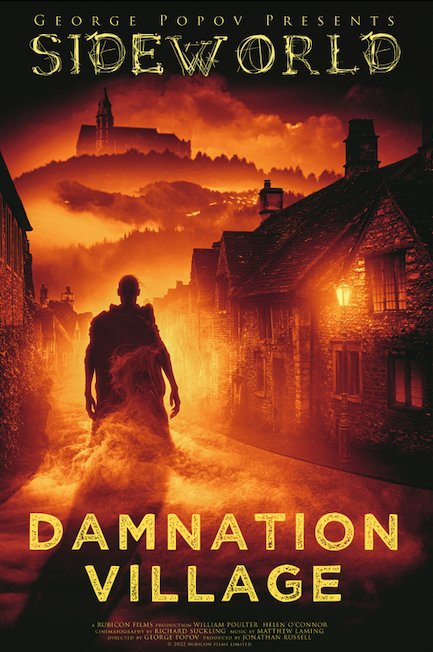
I recently had the chance to interview narrator/director George Popov about their new horror film Sideworld: Damnation Village,  which presents viewers with a look into one of the most cursed areas of the UK. In this interview we discuss history, shadows of the past and the means and measures of storytelling.  I hope you enjoy.

Q: Why focus on villages other areas with creepy pasts?

GP: In our research these three villages got mentioned often as the most haunted in the country. Pluckley and Prestbury especially quite famously compete for that title. Eyam was very intriguing with it’s history of the plague providing and a backstory and a possible explanation for the paranormal activity there.

Q: What Inspired This Sequel?

 GP: Exploring Haunted Villages has been on our list of Sideworld topics almost from the beginning. The decision for it to be the third one in the series seemed very easy to me.  The atmosphere and colours I was imagining for the documentary were complementing our first two features very well and it felt like a very natural completion of the first trilogy. Going from natural settings like Forests and Sea to something man-made and community driven, it established a needed new angle to Sideworld while still in rhyme with the previous films.

Q: What Was Your Message With This Sequel?

 GP: We deal a lot with the impact of the legacy of events and the weight of history. In a great way that  continues the topics about repetition and lingering that we have started in the previous film. However now we delve deeper in those themes, both in terms of folk horror and in science and history.

Q: Do You Think Buried Underneath The Surface Of Every Village There Is A Ghost Story?

 GP: Wherever there are humans, there will be stories. it’s inevitable. The more closed local community of a village preserves those stories very well. I think, however that there are some locations where ghost stories and encounters are more prevalent, and that may be due to a lot of other external factors. That notion is a big part of our exploration in the documentary.

Q: Do You Have Any Funny Stories From The Production?

 GP: Quite a few, yes. It was a very adventurous production as always. I can be here all day retelling even just one of them, but let’s say a lot of them involved nature doing extraordinary things for us to get some great footage. We also crossed paths with some really cool characters in the villages and twice we literally stumbled into an amazing hidden location.

Q: What Locations Will You Try And Tackle Next If There Is A Fourth Sideworld Film?

 GP: More Sideworld is coming and we have a long list of potential topics and locations that we’re very excited to explore. It has been a crazy first year for Sideworld and making three feature films in that time was a new and amazing experience. Now I’m enjoying this stage of being able to stop for a second and look at what we’ve done and make sure those films can reach as many people as possible. But I’m even more excited for us to look at the next stage and implement our many ideas for the future of the franchise.

Q: Any Word Of Wisdom For Aspiring Filmmakers Gleamed From Your Time Working On This Film?

GP: You can allow yourself to be confident in your abilities once in a while. Sometimes. Maybe.

If you would like to check out Sideworld: Damnation Village it is available to rent or buy over on Amazon Prime Video.

If you enjoyed this interview, then please head over to my Patreon to support me, I offer personalized shoutouts, the ability for you to pick what I review next and full access to my Patreon exclusive game reviews. Check it out!

https://www.patreon.com/AnotherMillennialReviewer

Interview With Writer/Director George Veck: Clogwyn

Written by Luke Barnes

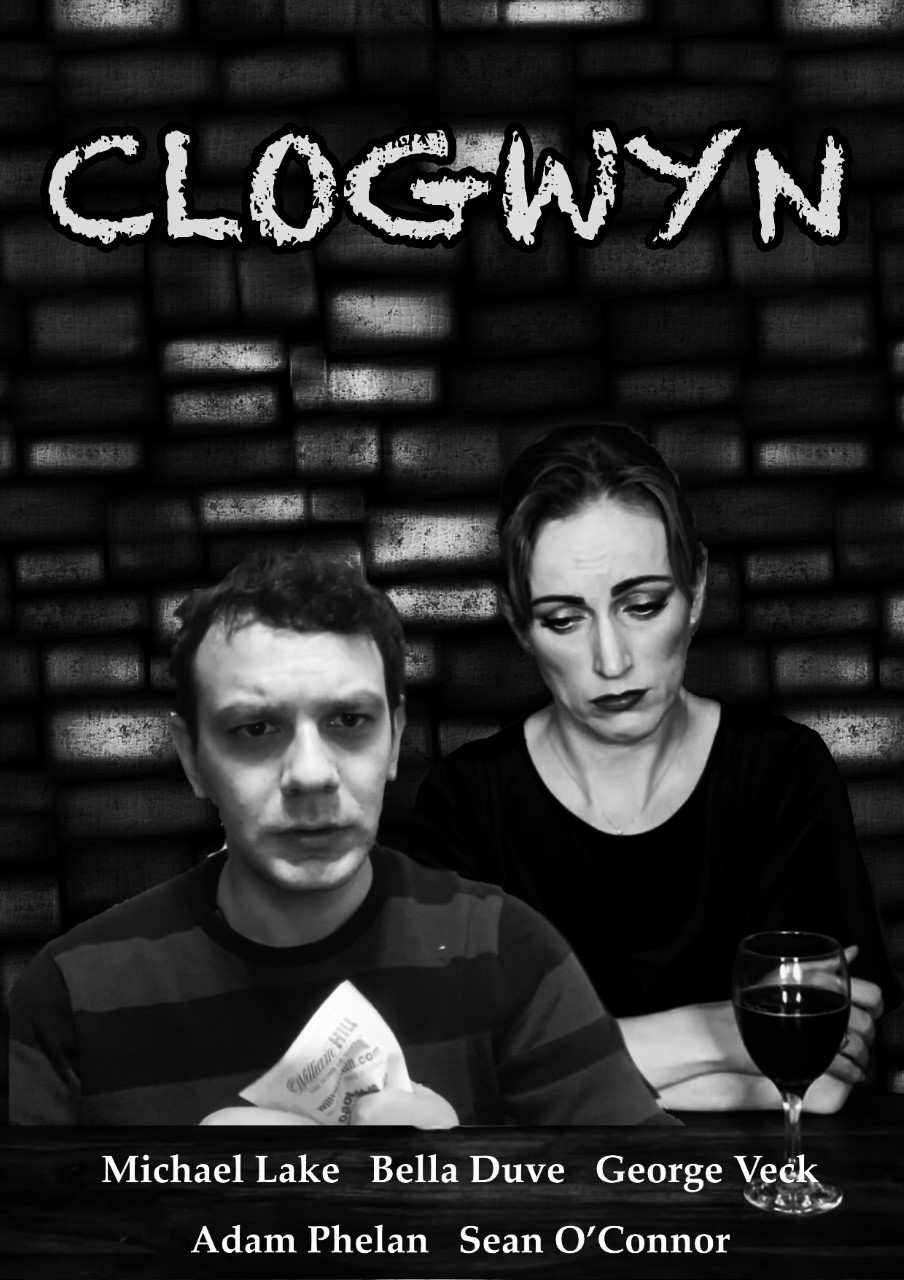
I recently had the chance to interview writer/director George Veck about his new film Clogwyn which focuses on the destructive nature of gambling addiction and how it can destroy families. In this interview we discuss addiction, mental health and the need for further legislation regarding gambling, and its marketing. I hope you enjoy.

Q: What was your motivation for making this film?

A: To shed light on the sheer amount of people who despite having no background in sport or watching sport, end up gambling and how it can be those lesser fans who suffer most as they need a bet to enjoy the event.

Q: What was your message?

A: That anyone vulnerable who hates what they do with their life can be sucked into drink, drugs or gambling in the UK.

 Q: Do you think the government should do more to tackle gambling beyond what it is currently doing?

 Absolutely, the current level of restrictions on adverts during sporting events is appalling despite overwhelming evidence of the amount of sports fans who watch not for the love of the sport, but only due of the thrill of betting.

Q: What are the warning signs of gambling addiction and when should people seek help?

 It’s hard to detect initially but the secrecy of the person suffering will become apparent and the niggling feeling of being lied to. The deeper the person gets, the harsher the depression will be after they lose a bet, this is one sign to get help.

Q: Do you have any funny or interesting stories from the making of this short?

 This was a very international cast, with talent from Canada, US, Ireland, Wales, England, Denmark, Australia and New Zealand forming the cast and crew.

Q: Future Plans do you want to do a follow up or tackle any other issues in future films?

 I have just finished editing a short about domestic violence called disquietude which will be out soon as well as a short called Scarlett about cocaine addiction. Issues around mental health and poverty are what I want to portray in my films. I would love to explore gambling addiction as a theme again, hopefully next time as a feature film.

Q: After making this film do you have any advice for aspiring film-makers?

 To those from rural areas who worry about accessibility and finances, that with a carefully selected cast of willing actors and imagination you can make fulfilling films from the comfort of your home.

To check out Clogwyn for yourself then head over to Vecks Gems Productions or click on the link provided https://www.youtube.com/watch?v=fd-nuBL0MbE

If you have been effected by the topics discussed in this interview then please consider getting help or if someone you know is suffering people get them some help. Addictions are awful things and often people try and hide them and suffer in silence and we all need to do our best to recognise the symptoms and help to the best of our abilities.

If you enjoyed this interview, then please head over to my Patreon to support me, I offer personalized shoutouts, the ability for you to pick what I review next and full access to my Patreon exclusive game reviews. Check it out!

https://www.patreon.com/AnotherMillennialReviewer

Interview With Narrator/Director George Popov: Sideworld Terrors Of The Sea

Written by Luke Barnes

I recently had the chance to interview director George Popov to talk about his new film Sideworld Terrors Of The Sea, which focuses on creepy nautical urban legends and tales of sea monsters. In this interview we discuss coastal folk songs, exploration and tricky tides.  I hope you enjoy.

Q: Why Focus On The Sea This Time Around

GP: We were discussing a vast array of potential topics for future sideworld films even before “Forests” was finished and always one of the main examples for a topic that we were all excited about was the sea legends. It gave you a scope in which you can show potential directions for where the series can go and retain its particular style while enrich the palette with every single one. And also out of all other options we had, it felt like the right continuation from the previous one. They have a thematic relation when you’re talking about these biomes, these vast areas of the world that we have been so closely connected to throughout history.

Q: What Inspired This Sequel?

GP: I really wanted to give a good idea of how varied and diverse our relationship with the sea is, and there are stories and sea legends and horror myths that really capture the vast difference between how gigantic and operatic they can be in some examples and then how emotional and personal they can get in others. So the inspirations for me came from all different angles including reading old sea stories when I was a kid all the way up to, of course, watching many films and frankly a lot of marine art. Some fine examples of which made it into the film in a very beautiful way, which I’m very happy about. Also for a few months my playlist was nothing but coastal folk songs and old sea shanties.

Q: What Is The Strange And Unsettling Allure To People And How Would You Describe The Relationship Between Humanity And The Sea?

 GP:In lots of ways that’s the main question we try to tackle in the film. No matter which section we’ll be working on or which story we’ll be telling, the question of our relationship with the sea in its complexity and its duality, would just keep coming up. Throughout history, the ocean has been one of the main frontiers for humanity to explore and the ocean floor today is the final frontier for us, maybe alongside Antarctica, that we have left on this planet. The mystery, the adventure and the danger add to this strange allure we have for it, and until we completely tame and explore all of it, I don’t think that sensation is going away. And I kind of hope we never get to that stage, because I think it will be really sad if the ocean loses all mystery and just turns into another park or backyard for us.

Q: What Do You Think Is Waiting For Us At The Bottom Of The Sea?

GP: I think it is an abundance of new knowledge. There is a lot on the ocean floor that we still know nothing about. Almost every month it feels like, there is a discovery of a new funny looking invertebrate or something else thriving in conditions previously thought very difficult to sustain life. Also in recent times we’ve discovered a lot more about creatures growing to sizes, previously thought to be exclusively reserved for tall tales, like in the case with the Colossal Squid. And if you watch “Terrors of the Sea” we do bring up the question of what else might be there that’s not just pure fantasy.

Q: What Was The First Nautical Ghost Story, Legend Or Tall Tale That You Heard?

GP: I have to think about it. Most likely the literal first one I do not remember but I do remember being very young when I read a lot of the Sinbad tales and remember them being amazing. They captured my imagination with all these adventures on the ocean with mythical creatures and being epic fairy tales. Yeah, so that will have to be it but I do recall being aware of the Odyssey at a very young age so that also could be it.

Q: Do You Have Any Funny Stories From Production?

 GP: When you travel around the country to film all these amazing places on our schedule, it’s almost difficult not to have a single day go by without something kind of wacky happening. So yeah, I guess there was, it was funny but also a little bit worrisome, there was this time when we were filming this colony of clams on a cliff side. We did know that the tide was coming in because it was in our schedule, you had to know where the where the tide is at that time of day and how much time we have and everything. But they don’t tell you how amazingly quick that happens, so it can be a problem if you get lost in your shots. And at some point as we were standing on these rocks, thinking that we’re quite a way from the sea with our backs turned towards it. At some point I just fell this water washing my ankles and I turned around. What used to be rocks and a vast beach now was nothing but the ocean and so we had to very quickly evacuate the equipment and ourselves. Trying to navigate what has now become islands that were shrinking very quickly and the whole carpet of sharp clam shells as well in our way. So yeah, that was that was pretty exciting.

Q: What Location Will You Focus On Next If There Is A Third Sideworld Film?

GP: I can’t say much at this point but what I can say is that there will be a third Sideworld, the whole team is very excited about it and we’re working on it as we speak.

Q: Any Words Of Wisdom For Aspiring Filmmaker, Gleamed Whilst Making This Film?

GP:This is the first sequel I’ve ever done and first for Rubicon Films as well as whole, so don’t know yet so I don’t know how much wisdom any of this carries, but I did find the whole experience a lot more liberating than I thought. I think it’s normal for filmmakers to feel a bit constrained when you make something that has to fit as part of a series. If you don’t feel that constraint, you probably don’t worry about your creativity in the first place. Which is a problem. But at the same time the balance of trying to push the boundaries a bit while giving that familiarity is really intriguing. And that every new film gets the opportunity to shine in its own unique way. Are they all going to be all equally successful? Of course not, but by changing the recipe ever so slightly every time you learn a lot more about our audience and about yourself as a filmmaker.

If you would like to check out Sideworld: Terrors of The Sea for yourself then it is available to rent and buy right now on Amazon Prime Video

If you enjoyed this interview, then please head over to my Patreon to support me, I offer personalized shoutouts, the ability for you to pick what I review next and full access to my Patreon exclusive game reviews. Check it out!

https://www.patreon.com/AnotherMillennialReviewer

Interview With Writer Director Robbie Walsh: The Letters

Written by Luke Barnes

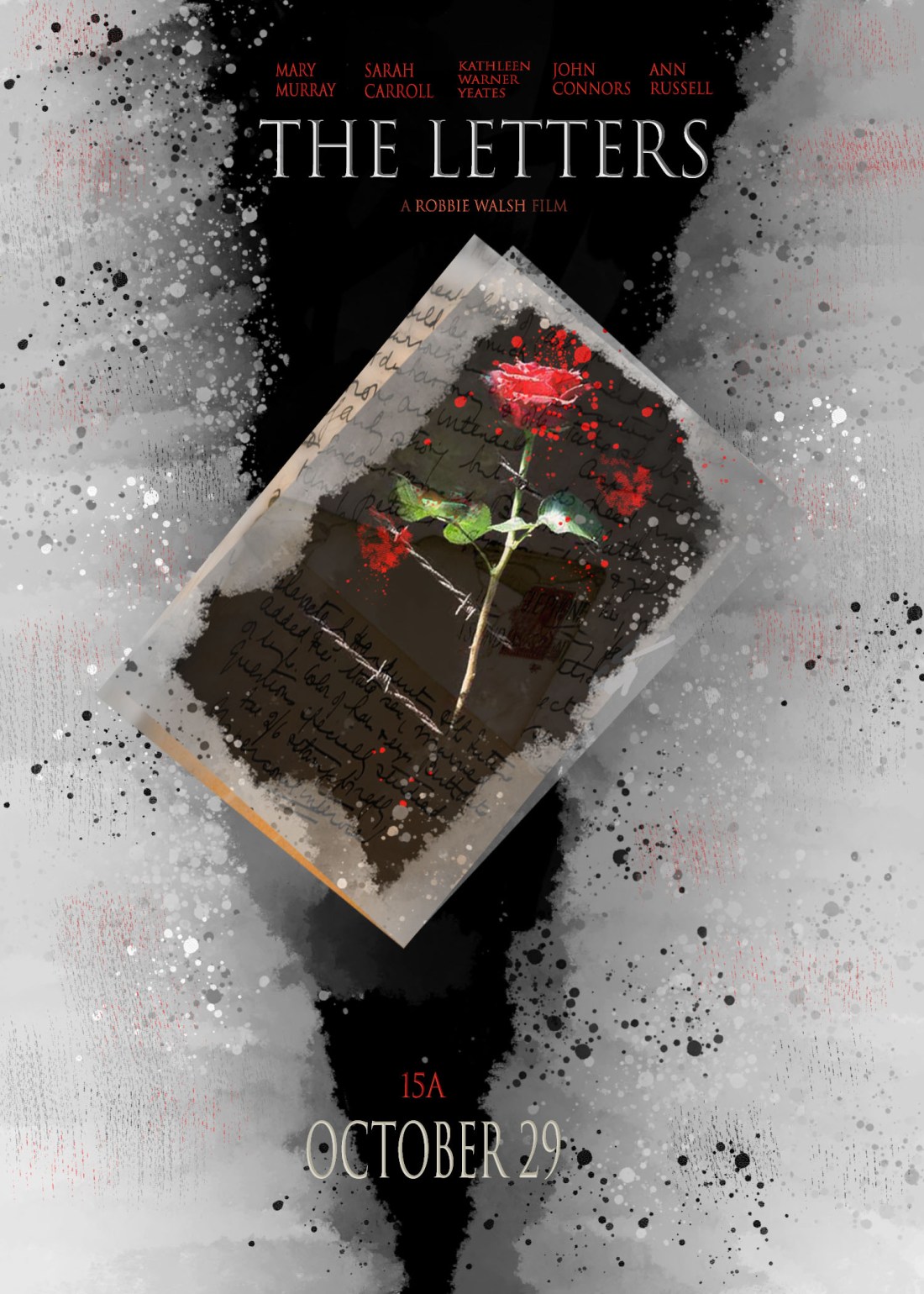
I recently had the chance to interview writer/director Robbie Walsh about his new film The Letters which shows three women from different walks of life be given incorrect cancer diagnosis. We discuss issues of medical failure, injustice

Q:  What inspired you to make this film? 

A:  The film is inspired by actual events happening in Ireland today

Q:  What was the message? 

A:  This happened and continues to.

Q:  How do you think this film reflects on society, health care and the experiences of women? 

A:  I hope we gave a fair and thoughtful representation, and hopefully people who watch will think about change going forward.

Q:  Who were your influences? 

A:  In this film it was, Shane Meadows, Ken Loach, Fredrico Felini, Jean-luc Goddard, Ben Wheatley.

Q:  How did you manage to balance the tone of the film? Bleakness to happier moments and beauty?  

A:  There aren’t too many happy moments in the film and it is a very tough watch, some of the more delicate shots are based on famous paintings I admire.

Q:  Any thoughts for filmmakers looking to get into the industry?  

A:  Just start! but know the art form and be passionate about it, always remember your love for cinema.

Q:  Future projects?   

A:  Just working on this for the time being, self-distribution takes up a lot of time.

If you enjoyed this interview, then please head over to my Patreon to support me, I offer personalized shoutouts, the ability for you to pick what I review next and full access to my Patreon exclusive game reviews. Check it out!

https://www.patreon.com/AnotherMillennialReviewer

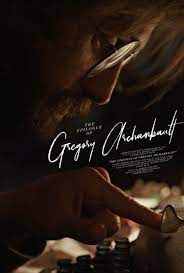
Interview With Actor/ Director Robert DeSanti: The Epilogue Of Gregory Archambault

Written by Luke Barnes

I recently had the chance to interview director/actor/writer Robert DeSanti about his new film The Epilogue Of Gregory Archambault, which sees a writer, also played by DeSanti struggle to write the perfect suicide note. We discuss issues of mental health, the writing process and the classic that is Forgetting Sarah Marshall.

Q:  What inspired you to make this film?

A:  I think the inspiration came from a mixture of several things that were happening to me
at once. The main one being I was in a place where I was auditioning all the time but
never quite landing the role. I had a sadness that came from that. I felt like a good actor
with a high level of training (I am good enough) but couldn’t quite land the role(s) (wait,
am I not good enough?). This all-to-common artist juxtaposition caused very dark
thoughts for me. Knowing I couldn’t be the only one going through this, and like the
artist that I am, I decided to pour my heart onto the page.

Q:  What was the message you were trying to get across?

A:  It’s my attempt to address a very taboo subject—the mental health of an artist and
contemplations of suicide.

To me art should make us confront our own vulnerability and contemplate our shared
humanity. With this film I wanted to offer something real. The private moments often
associated with but seldom spoken about in regards to being an artist.

Being an artist means putting your work out there, often to be rejected time and time
again, and the brutal truth is this doesn’t come without a cost. Many of us are rejected
more times in a year than others will face in a lifetime. As artists at some point, we must
confront the duality of rejection (we aren’t good enough) while idealistically clinging to
the hope that we are good enough. The disconnect between artistic aspirations and the
gatekeeper’s system that dictates the marketplace can create a difficult psychological
split that can feel like madness. Life is hard. I feel for everyone’s struggles but I have a
soft spot for the pain an artist goes through because, well… I am an artist.

I wanted to highlight this relationship from an artist’s perspective as taboo as it may be.
It’s told, not as an outsider observer, but from inside the mind of our main character,
Gregory Archambault — it’s his world as he perceives it to be. As right or wrong as that
may feel, or as funny as it might seem from outside looking in, the stakes couldn’t be
higher from Gregory’s perspective.

It’s easy, and even delightful to speak about the successes, awards, and highlights but
what I hope, above all, is that this inspires you to speak about the doubts, dark
thoughts, and pain you also feel, and through that realize that you’re not alone. That
there is a beautiful community of artists around you that has your back, knows your
pain, and is always rooting for you. I hope you laugh. Maybe even cry. But above all, I
hope that you feel seen, and heard, and inspired to have deep dialogue with your fellow
artists.

Satire is comedy about things you care deeply about. It has the ability to express dark
themes in blunt yet relatable ways. I felt this was the best way to confront myself and
the audience with these brutal truths we often carry with us while also making it
digestible and hopefully enjoyable.

Q:  How was the writing process for this film?

A:  Brutal! In many ways it mimicked the film. It was very difficult, and I was full of doubt,
but it was also an amazing process of exploration and learning my craft. It feels weird to
even type this out but if you really watch the film (might take multiple viewings) you will
pick up how layered the film is. There are things in this film that add context and
meaning that no one has picked up on (so far) which really excites me. I’m a big fan of
Chekov and his belief that every element in a story must be necessary, any irrelevant
elements should be removed. I combed over each line of the script time and time again
to make sure that every word had meaning, that no space was wasted, and that I could
justify every single thing that I wrote.

I wrote it to be like Russian literature or a piece of work from Shakespeare. The stakes
had to be high, and it had to be as real as it could be for the character for the comedy to
land. This brought many struggles going back and forth to balance the tone and how far
to go or not to go. I’d act it out in my room and tape it on my phone and make decisions
based on seeing it out loud.

I had two friends whose writing I really respect, Kyle Kolich and Tom Connor, look over
it at certain phases and give honest feedback which really helped me understand how it
was being perceived.

 Q:  Did you find any overlap between the character’s writing experiences and your own?

A:  Absolutely! I think many artists of any discipline can feel imposter syndrome whether
you are talented or not. You have this ideal of yourself and ability but at some point, or
many times, you must be confronted by that inner voice that mocks your very existence.
As an actor and writer, I have dealt with that on many occasions. In writing this film that
was very frustrating but also a very helpful feeling to utilize. I probably found more
genuine, deep truth because of that than if I had not been going through that while
writing this. Now it was nowhere near as bad as Gregory, but it still existed.

Q: If you could go back in time to when you were first starting in the industry what advice would you give to your younger self?

A:  I’m a big believer that life is what it is and learn to roll with the punches. I love who I am
now and although being an up-and-coming artist that is still struggling in many ways to
get his work out there, I do believe it is forcing me to slowly become that much better at
my craft which will pay dividends in the long run. So, I’m pretty content where I am at
and the choices I have made as an artist. With that being said I would have emphasized
the importance of it’s who you know not what you know that often gets you ahead. So,
definitely to put a little more emphasis early on into heavily networking (I solely focused
on the craft for many years).

Q:  How did you strike the balance between comedy and more serious elements?

A:  I love a story I heard about the writing of Forgetting Sarah Marshall. I think that is one of
the funniest comedies of all time and I remember an interview where Jason Segal spoke
about the writing process and Judd had told him to write a drama and then fill in the funny moments. So very much that’s what I did. I focused on the more dramatic elements first. Then I slowly layered in more and more comedy. I also had the advantage that I would be acting in this. I know my own voice pretty well and when writing it I could take a few lines of dialogue and act them out. If I couldn’t make it funny while also hitting the more serious tone I’d change it until I felt I could do that.

Q:  Is the ending happy or sad? Or is it bittersweet?

A:  It changes as I change, as I experience more, and have ups and downs in this industry.
And I hope that people who watch it feel the same way. I think it’s up for debate and
dependent on who you ask and where they are at in life.

Q:  Who would you say your influences were for this film?

A:  My biggest inspirations in everything that I do, but very much for this film in the writing
department, were Paul Thomas Anderson and Charlie Kaufman. I think that they both
explore character and the human psyche as good as anyone who does this and also
make it fun and unique while doing so. I hoped that I could maybe touch the surface of
what they do through this film. Directing style was also very much inspired by Paul
Thomas Anderson. This film is not clean and composed. It gets messy and has a very
nice build up and that is very much inspired by PTA’s early work (specifically Magnolia).
And as an actor my north star is and will always be Philip Seymour Hoffman. I just do
my best to make interesting and honest choices no matter the genre and that was as
true as ever with this role.

Q: Upcoming projects?

A: I’m currently auditioning as much as I can. I also have two more short films in the works,
and it just depends on timing which will be made. One revolves around institutional
policing and is based on a true story of a mixed-race couple that I am very close to and
the other is another piece for me to act in that was inspired by a statue I saw at the
Acropolis Museum in Greece outside the Parthenon.

If you want to watch The Epilogue Of Gregory Archambault it is currently doing the festival circuit, and will be available to watch outside of that soon.   

If you enjoyed this interview, then please head over to my Patreon to support me, I offer personalized shoutouts, the ability for you to pick what I review next and full access to my Patreon exclusive game reviews. Check it out!

https://www.patreon.com/AnotherMillennialReviewer