Interview With Matthew I. Schmidt: Writer and Director Of Mr Sandman

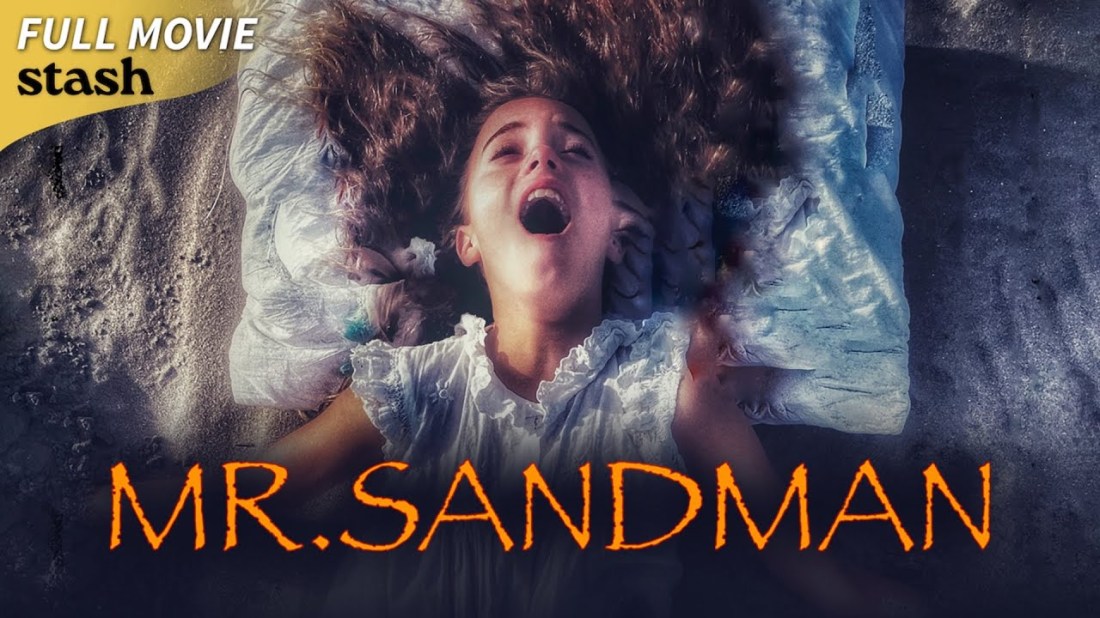
I recently sat down with Matthew I. Schmidt to talk about his new film MR Sandman, in the interview we talk about horror, jump scares and scariest of all contact lens.

AMR: What Is your favourite horror film?

MS: My favourite horror film is the Exorcist though my favourite all round film is Jaws and many people do consider that a horror film.

AMR: What films inspired you when making this film?

MS: When I was making this a lot of The Shining came into play with certain slow camera moments that I used, a lot of Poltergeist definitely a lot of Poltergeist came into play, such as the little girl in the bed, the storms, certain camera angles from that too. The fear of being in bed and stuff moving around the room like with the little boy from Poltergeist.

Another obvious influence is of course A Nightmare On Elm Street what with the whole dream factor.

AMR: How would you say your film adds to the horror genre?

MS: I think this film adds to the horror genre in the sense that though you have films like A Nightmare On Elms Street I don’t think in horror, or in cinema in general, touches on dreams enough. I think that the ‘dream world’ is a very underused platform for movies in general, but for horror it just doesn’t seem to be used enough as the main platform, I know that characters have nightmares in films, horror or otherwise, but it never seems to be the main platform of the ‘dreamworld’ or the combination of that with the childhood fear of the dark.

AMR: What is one thing you love about modern horror filmmaking and one thing you hate?

MS: With modern horror movies I can’t help but think about the James Wan style, and I would say the visuals these days have been very impressive with regard to films like Insidious with the demons, or maybe The Nun or the Conjuring two.

I think the visuals in these films have been really strong and impactful, I think they are using darkness well as well as how sometimes the demonic character will just stare and that builds tension.

What I don’t like is when modern horror movies use CGI. Whilst I love CGI I think it has a place such as in a superhero film, but in horror movies I think it comes off as cartoonish and I think keeping the creature, whatever it may be, in the dark and using subtly when it comes to creating scares is more effective as opposed to an over the top and in your face CGI creations. I think too much CGI in horror is bad, it does have it uses such as if you want to create a shadow or when practical effects fall short, but when it is overdone that is a bad thing.

AMR: What was your favourite moment from the film and your favourite moment from shooting it?

MS: I am a little hard press to think of my favourite moment from the film but I am thinking about my favourite shot, and it was when we were above the bed and mother and daughter are in bed and we move in on them as she slowly strokes her hair, and I just think that the way it came out with the sound effects made for a beautiful tense moment. That might have been my favourite sequence from the film it really stood out to me and I was very happy with that.

My favourite moment shooting had to be Grandma’s monologue because it was early on in the production and we were shooting it and she was just nailing it so well and I just felt like if nothing else this is coming together well and I felt really excited when we did that.

AMR: Do you have any funny on set stories?

MS: A funny on set story probably has to do with the white contacts that the mum had to wear when she was possessed or at least in the dream possessed, we were struggling with them a lot and found it difficult to put them in, when we did manage to get it into her eye it got stuck, it wasn’t funny at the time.

I went into panic mode and so did the actress and I thought was she going to need to go to the emergency room, and as we were panicking she blinked and her eye lid seemingly moved the lens right into place and I was so happy and relieved. She later made me promise to never have her use contacts again.

AMR: Are you a believer or a sceptic in the supernatural

MS: I am a believer in possibilities, I have experienced two things in my life that I can’t explain, but I am very much an evidence person and always look for a logical explanation. I think it is arrogant to say we know it all, I definitely believe in possibilities and because I believe in an afterlife I am open to the idea that we could be visited.

AMR: How scary would you say your film is?

MS: That is hard to say as it is up to an audience to say how scary it is, however, I try and draw on primal fears such as the fear of the dark as these never go out of fashion. These sort of fears are relatable to everyone as everyone watching it will have been a child suffering those fears at some point.

It is always hard to say how effective something is as a filmmaker as you can think it works whereas the audience can not, however, from the feedback we have received so far and it has only been a relatively small sampling due to it only being out for two weeks we have been told that the film is creepy and that it takes people back to childhood. The way I wanted to be touching on those childhood fears bringing people back like oh I’ve been there or  I did that or I’ve experienced that.

AMR: Where do you fall on the atmosphere vs jump scares debate within horror at the moment?

MS: I didn’t realise there was a debate, I mean I think they’re both effective I think that jump scares and slow burns are just as effective just in different ways one of my favourite horror films Exorcist 3 has what I consider the greatest jump scare in movie history and if you don’t know what scene I am referring to, you probably do, but it’s the hallway scene where the hooded figure comes out with the sheers to attack the nurse.

So jump scares when done right can be extremely effective like anything else, I remember the first time I saw Scream at that point the world had been burnt out on slasher films so we weren’t expecting much from it and then all of a sudden we realised wow this is self-aware but the great thing is that they’re also using a lot of jump scares to keep you on the edge of your seat so you’re laughing but you’re jumping at the same time. I was 21 at the time yeah I’m showing my age. I remember me and my friend were walking home from the movie theatre and there were hedges everywhere on the way home because we grew up in a suburban environment and before I crossed each hedge I had a little peak round the corner because I was feeling a little jumpy.  I was like wow like the jump scares were really effective so I I find jump scares very effective when done correctly.

I myself prefer myself a more story driven experience, but I can’t say Scream wasn’t story driven as it was one of the most brilliant screenplays I’ve ever come across but you know I  do prefer a little bit more of a slow burn like the Shining or the Exorcist or to give you a modern example Hereditary. This is because it really just sinks in more, the jump scare  almost more like popcorn fun you know it gets you edgy but it is popcorn fun you know once you’ve seen the film it a few times you cease to jump as much more as a slow burn tends to stay with you longer. This is not a put down in any way shape or form but it is more of a sugar high then let’s just say a big satisfying meal that keeps you full longer. You know Hitchcock has a brilliant quote and I’m going to paraphrase it because I don’t know exactly how he would word it but he basically said the kill is only there to show you that there’s a real threat the real fear is in the build-up in the suspense and I I very much agree with that statement.

AMR: Do you have any upcoming films you would like to talk about?

As far as upcoming projects we really just released this a couple of weeks ago so I mentally I somewhat need a break from creating be ú…cause it is hard when you’re working a full time job and taking on next these things but I do have some general ideas in my head just nothing developed yet.

AMR: Do you have any advice for upcoming filmmakers who might be reading this?

Console makers are few things number one swing back take the chance who cares if your first attempt fails because anybody who says anything or makes fun of you they’re just showing that they didn’t have the guts to try it themselves and I’ve taken plenty of jabs and ribbing and stuff from my friends and coworkers and stuff like that on my especially on my early attempts but then when you get and that’s usually when they’re in groups but when you get them alone they always say hey you know what you put yourself out there and I admire that you know what as I’ve improved as a filmmaker you know they’ve come around so don’t worry about what people think swing the bat take the chance if this is something you’re passionate about.

Now the other piece of advice I would give you is and this is more on the technical side if you have a few different ideas of in your head let’s just say how to and the scene or start a scene or you know some alternative versions of the scene shoot as much as you can without you know going crazy give yourself options because when you get to the editing phase you were going to thank yourself that you have those options because sometimes the movie can take on a life of its own and when you get to the editing phase which is really where the movie comes together one thing they fit a lot more than something you shot that you thought would fit in the tone of what you’re trying to say so as much as it’s practical infeasible film alternatives.

Last but not least whatever you decide to film you know I I would say 2 rules 1 practical 11 not so not so much about practical but more about passion film what you can don’t try to don’t try your first time now too you know make something out of your reach like a big budget situation that’s supposed to look big budget but you know it’s not going to look like that because you have limited resources at it as a first time film maker and the second part of that is film with you know film something you’re passionate about so if it is hard great I’m passionate about horror but I love all genres but film what you’re passionate about because if your passion your love and care for the project is going to come through in the final product so be passionate about what you’re doing film what you really want to be filming not something that you just agree to the get your first time film out or something you thought people might like you know to do what you’re passionate about and that will come through

If you would like to check the film out for yourself head on over to the link below

https://www.youtube.com/watch?v=9gVIOGjl8_8

If you are a filmmaker and you would like me to review your film and or do interviews with you about it to provide additional insights and context then either email me or contact me on social media. There is no barrier to entry I will review any film.

If you enjoyed this review, then please head over to my Patreon to support me, I offer personalized shoutouts, customised film recommendations to suit your personality and tastes, the ability for you to pick what I review next and full access to my Patreon exclusive game reviews. Check it out!

https://www.patreon.com/AnotherMillennialReviewer

Or if you would rather send me a donation if Patreon isn’t for you then please find a link to my donations page below

Help Support My Reviews

Interview With Narrator/Director George Popov: Sideworld Damnation Village

Written by Luke Barnes

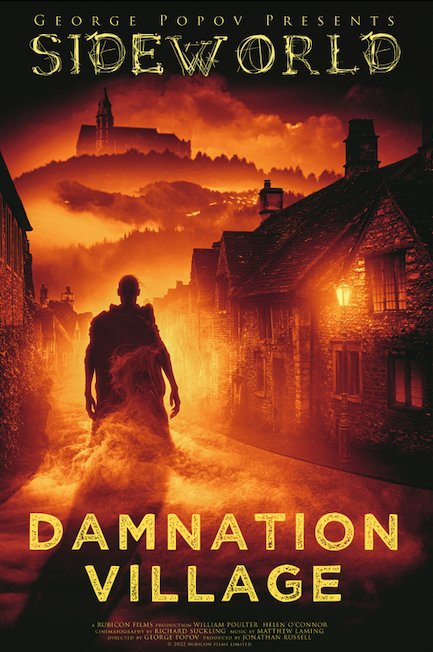
I recently had the chance to interview narrator/director George Popov about their new horror film Sideworld: Damnation Village,  which presents viewers with a look into one of the most cursed areas of the UK. In this interview we discuss history, shadows of the past and the means and measures of storytelling.  I hope you enjoy.

Q: Why focus on villages other areas with creepy pasts?

GP: In our research these three villages got mentioned often as the most haunted in the country. Pluckley and Prestbury especially quite famously compete for that title. Eyam was very intriguing with it’s history of the plague providing and a backstory and a possible explanation for the paranormal activity there.

Q: What Inspired This Sequel?

 GP: Exploring Haunted Villages has been on our list of Sideworld topics almost from the beginning. The decision for it to be the third one in the series seemed very easy to me.  The atmosphere and colours I was imagining for the documentary were complementing our first two features very well and it felt like a very natural completion of the first trilogy. Going from natural settings like Forests and Sea to something man-made and community driven, it established a needed new angle to Sideworld while still in rhyme with the previous films.

Q: What Was Your Message With This Sequel?

 GP: We deal a lot with the impact of the legacy of events and the weight of history. In a great way that  continues the topics about repetition and lingering that we have started in the previous film. However now we delve deeper in those themes, both in terms of folk horror and in science and history.

Q: Do You Think Buried Underneath The Surface Of Every Village There Is A Ghost Story?

 GP: Wherever there are humans, there will be stories. it’s inevitable. The more closed local community of a village preserves those stories very well. I think, however that there are some locations where ghost stories and encounters are more prevalent, and that may be due to a lot of other external factors. That notion is a big part of our exploration in the documentary.

Q: Do You Have Any Funny Stories From The Production?

 GP: Quite a few, yes. It was a very adventurous production as always. I can be here all day retelling even just one of them, but let’s say a lot of them involved nature doing extraordinary things for us to get some great footage. We also crossed paths with some really cool characters in the villages and twice we literally stumbled into an amazing hidden location.

Q: What Locations Will You Try And Tackle Next If There Is A Fourth Sideworld Film?

 GP: More Sideworld is coming and we have a long list of potential topics and locations that we’re very excited to explore. It has been a crazy first year for Sideworld and making three feature films in that time was a new and amazing experience. Now I’m enjoying this stage of being able to stop for a second and look at what we’ve done and make sure those films can reach as many people as possible. But I’m even more excited for us to look at the next stage and implement our many ideas for the future of the franchise.

Q: Any Word Of Wisdom For Aspiring Filmmakers Gleamed From Your Time Working On This Film?

GP: You can allow yourself to be confident in your abilities once in a while. Sometimes. Maybe.

If you would like to check out Sideworld: Damnation Village it is available to rent or buy over on Amazon Prime Video.

If you enjoyed this interview, then please head over to my Patreon to support me, I offer personalized shoutouts, the ability for you to pick what I review next and full access to my Patreon exclusive game reviews. Check it out!

https://www.patreon.com/AnotherMillennialReviewer

Interview With Writer/Directors Jamison LoCascio and Adam Ambrosio: How Dark They Prey

Written by Luke Barnes

I recently had the chance to interview writer/director Adam Ambrosio and writer/director Jamison LoCascio to talk about their new horror anthology film How Dark They Prey which presents a collection of scary stories. In this interview we discussClive Barker, the pros of anthology horror and a bug attack.  I hope you enjoy.

Q: What was your inspiration for making this film?

Adam Ambrosio: The horror movies that I grew up on. Everything from Carpenter to Clive Barker. A Lot of 70’s and 80’s horror films.

Jamison LoCascio: We were watching some great anthology films and Adam had come up with “Blood Beach,” he had come up with the war story years prior. I developed my own concept called “Encounter Nightly” and then finally, my father came to me with the concept for “Nelly” and I sat down to write what you see now with that one.

Q: What was the message of this film, did each segment have its own message or did you aim for a unified one?

Adam: I think the overall message is the strength people have in their beliefs and what dark paths they will take in their own convictions. 

Q: How do you view the state of modern horror?

Adam: It’s up and down. I think people get too comfortable with something that works but there have been a few recently that I think break the mold holding on to tradition yet still giving us new characters and stories.

Q: Why choose the anthology format? What strengths do you think it brought to the project? 

Jamison: It was such a cool idea to be able to work on so so many different kinds of stories that we love. I am not kidding when I say that movie that deals with WWII, aliens, monster movies, black and white retro haunted house films, slashers, and the occult…that is a dream come true for me and Adam too, I believe.

Q: A hard one, what are your top 5 horror films of all time?

Adam: Prince of Darkness,  Dunwich Horror, Hellraiser, The Thing, Event Horizon

Jamison: Evil Dead 2, The Fog, Psycho, Halloween, The Ninth Gate

Q: Any funny stories from the production of this project?

Adam: YEAH! We got Swarmed by a bunch of bugs while shooting “Harrowing.”

Jamison: Yes, every shoot we had a thunder storm come in to make us wrap everyday early. Luckily, it added heavily to the suspense…of both the film and the filming.

Q: Sequel or future plans? 

Jamison: We are always working on the next projects. Right now we are developing a feature film screenplay, placing a number of our most well-received short films into a VOLUME ONE: FILM VALOR, and working simultaneously on some Film Valor content for direct release via youtube including the anticipated Part 2 in our popular Battle Royale series that is a mix of Battle Royale Style video games with Star Wars. You can check that all out, and more right here: https://www.youtube.com/c/FilmValor

Q: Do you have any words of advice for aspiring filmmakers?

Adam: It’s okay to go against the grain.

Jamison: There are no paths set in making films, only the ones you make yourself in your search for fun, adventure, and to create the films you love. There is always a way forward if the goal is really just to make films. It is truly great if you can do it with people you love who want to be doing the same things too.

If you would like to check out How Dark They Prey for yourself then head on over to Amazon or search for the film on Youtube

If you enjoyed this interview, then please head over to my Patreon to support me, I offer personalized shoutouts, the ability for you to pick what I review next and full access to my Patreon exclusive game reviews. Check it out!

https://www.patreon.com/AnotherMillennialReviewer

Interview With Writer/Director Ross Munro: The Moviegoer

Written by Luke Barnes

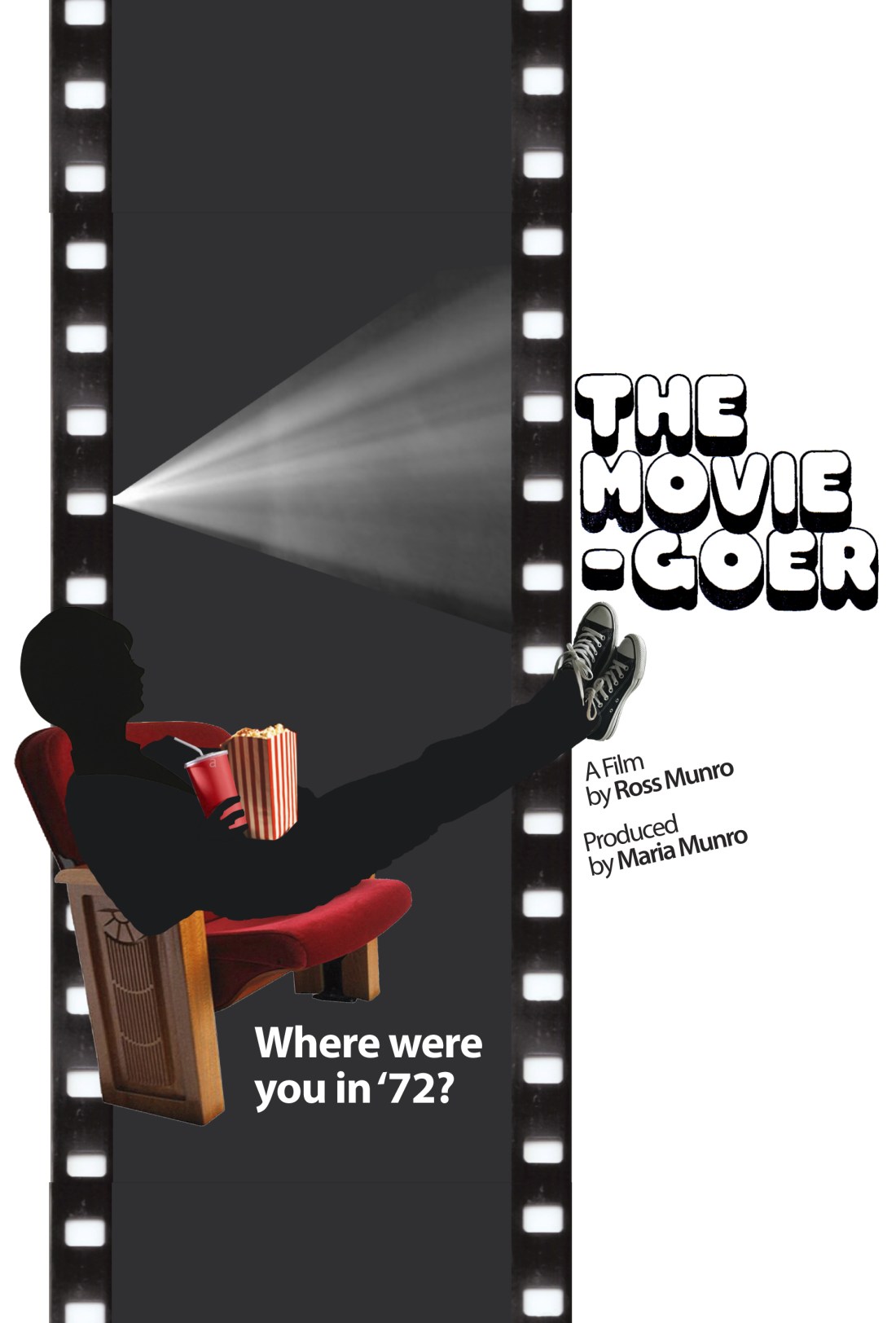
I recently had the chance to interview director Ross Munro about his new film The Moviegoer which serves as a personal love letter to cinema and reflects an experience many films fans can relate to. In this interview we discuss home movies, early cinematic memories and the films of Charles Bronson.  I hope you enjoy.

Q:  What was your inspiration behind making this film?

RM:  Around the time of the pandemic first hitting, everyone was understandably bummed (to put it mildly!) about having to be separated from friends and family as well as participating in the normalcy of their favoured activities. In the case of myself and my producer/wife Maria, we really missed our movie going community here in Vancouver. There were a couple of movie theatres that we always went to that showed an amazing assortment of films and we really bonded and shared the camaraderie of our fellow movie lovers there.

So, since pretty well the whole filmmaking industry was on a shutdown as well, I had the idea to make a one-off little cinematic homage to how much we all missed going to the movies. Originally, the movie was intended as a collection of photos of myself as a young kid with my narration about my own movie going memories- a nice little cinematic nostalgic love letter that we could pull off very quickly and get it out there for people to enjoy.

Of course, as we started piecing the film together it started to take on a life of its own as we started to add more and more complicated production components as the film industry and society started opening up more. What started as a collection of photos with narration soon found us shooting several complicated live action sequences with numerous actors, original costumes, green screen fx, and the commissioning of original animation all of which added up to a nearly two year journey to make what is now the final version of The Moviegoer.

Q:  What is your earliest cinematic memories?

RM:  I’m definitely a product of growing up in the 1970s and going to the movies during this amazing time of films that made their way to theatres. Probably because my parents were such lovers of movies, I really absorbed this love and pretty soon as young kid movies became the most important fabric of my love- even more than playing hockey which I actually loved a lot. My earliest memories wrestled back and forth between which I’d love to win more: an Oscar or the Stanley Cup.

Probably my first memory was our back in 1969 when I was around 6 years old and my parents took myself and all my brothers to see “Butch Cassidy and the Sundance Kid”- I don’t remember that much except the image of Newman and Redford jumping off the steep cliff into the waters below with Redford comically proclaiming that he didn’t know how to swim.

Going to movies really took root a little later when my older brother Cam went to see “The Aristocats” in 1971 and snuck me along after my parents said I was too young to accompany him on the bus to the theatre downtown. I remember the dizzying enjoyment of going to the movies as we stayed and watched the movie all day long and ended up coming home at sunset and I got into a lot of trouble with my parents for defying them and sneaking along to the movie with my brother.

The next year- in 1972 when I turned 9- I started going to movies regularly and my first and greatest memories were seeing the films of my first Hollywood idols Charles Bronson and Raquel Welch. I loved seeing Bronson in “Red Sun” and Miss Welch in “Kansas City Bomber”.

Since 1972 seemed like the most pivotal year of my early movie experiences and best represented my movie fandom awakening, I decided to have The Moviegoer focus entirely on my journeying to the movies in that year. And, of course, we filmed a whole montage of scenes based on “Kansas City Bomber” with our homage entitled “Kansas City Roller” where we recreated some of the film’s iconic scenes. This was a huge amount of fun to do and not to mention a lot of work for Maria who also served as the film’s Costume Designer and had to recreate all those early 70s roller derby outfits!

Q:  Will we ever see your early Kung Fu films remade?

RM:  Ha! Wouldn’t that be cool? Your referring, of course, to the segment in The Moviegoer that details how my love for movies eventually started me down the path of making my own Super 8mm versions of Kung Fu movies when I was 9 years old as well.

I was a huge fan of martial arts movies back in the early 70s and, of course, Bruce Lee was the holy figure of that amazing, action-filled genre. I remember going to see The Chinese Connection back in 1972 and how my friends and I at school would run around trying our kung fu moves on each other in the playground and pretend to swing around nunchuks like the expert Lee himself. It didn’t matter that the Kung Fu movies were badly dubbed and all had the same story- they were so thrilling and unlike any other typical action movies playing the theatres- it’s almost they came from another planet that’s how unique and mind-blowing they were. Another fave of that genre I saw at that time was “Five Fingers of Death”- definitely not for the squeamish.

But to answer your question, it’s not too likely I’ll end up reacquainting myself as a filmmaker making a martial arts movie- I guess audiences will just have to enjoy my early kung fu movies that came from the mind of a 9-year old wannabe filmmaker using my dad’s Super 8mm camera. Although I’m thinking if I made my own version of “Kill Bill” it might be called “Nunchuck Buck”…

Q:  In 1972 what was your favourite film?

RM:  That’s a fun question to answer as it allows my mind to wander back to the halcyon days of my movie going back in 1972. Where to start? Because of my love for Chuck Bronson and Raquel Welch I have to include both “The Mechanic” and “Fuzz”- two more movies that we reference lovingly in “The Moviegoer” by the way. Also, I remember being in awe of the granddaddy of disaster flicks “The Poseidon Adventure” (Gene Hackman as a priest!), “Blacula”, “Hickey and Boggs”, whichever one of the “Planet of the Apes” series was out at that time, the cool Peter Cushing horror anthology “Asylum” (couldn’t find any friends who were allowed to come and see that with me at the time!) and a cool- and now underseen- Western revenge flick with another of my faves Ernest Borgnine called “The Revengers”. Oh, and let’s not forget another of my faves Chuck Heston trying to save terrified passengers from a deranged plane hijacker in “Skyjacked” which I saw on a double header that year playing with “Kelly’s Heroes”.

Of course, I could go on and on. We tried in our film “The Moviegoer” to mention and create some kind of homage to as many of these films as possible- it’s fun to see how many of these cool 1972 films people who watch the film pick up on. As an added bonus to making the film, it would be nice if people will go out and try and discover these films for themselves- they definitely won’t be disappointed.

Q:   Do you have any funny stories from production?

RM:  I don’t really have too many stories about anything funny going down during production but while building our film’s main segment of recreating what it was like to see a movie back in 1972 we originally created a spoof of a “short documentary” that was to play on screen while my 9-year old self attends a typical Saturday afternoon at the movie theatre. The mock short detailed the attempts of a teenaged girl taking her driver’s test and devolved into the eventual destruction of many cars as a crazy police chase also ensued- we had to remove this segment late in the editing game of the film as it felt almost right out of the movie “Airplane!” with its over-the-top humour. It actually hurt a little to remove it- I know our film’s editor Julia took the news a little hard when we had to make that eventual request.

Also, I just remember having tons of fun with all our talented cast shooting both the homage to X-rated sexy stewardesses trailer and “Kansas City Roller” women’s roller derby sequences- lots of great authentic costumes that the actors really had a blast performing in. I think everyone involved really pulled these sequences off great- lots of campy energy that hopefully transports audiences back to 1972 (or if they never lived through 1972 then taking them on a fun ride there for the first time!).

Q:  Any advice for aspiring filmmakers?

RM:  Well, sometimes I wonder why anyone would want me to dispense filmmaking advice and then, upon reflection, I soon realize that, damn, I’ve actually been at this indie filmmaking business for almost four decades! So I guess I’m now on the cusp of getting my home in Malibu and daily film luncheons at Spago in Hollywood…ya, right.

Actually, the main things I’ve learned and am happy to pass along are that you should always follow your dream and vision. Sometimes things might seem impossible to do but there are always solutions and you will definitely find away if you keep grinding it out. You will have many doors closed along the way and though it may prove a temporary setback and cause a little heartbreak, you will soon realize that it will lead to new doors opening and illuminate your path even more as you continue your journey. Because you are definitely on a long journey and definitely not a sprint- you have to keep your mind, spirit and body full of energy and, despite the ups and downs, keep the belief.

And, most importantly, filmmaking is a collaborative effort- try to surround yourself with others who share your beliefs and passion for your projects. This cannot be stressed enough! There were definitely times I felt like giving up but, luckily, I was able to turn towards my wife Maria who, at that time, had just left her job as a graphic designer and didn’t know what her next career path would be. As mentioned, I was on the verge of throwing in the proverbial cinematic towel but I reached out to her and asked if she’d be my producer which, thankfully, she agreed to even though she was not in any way part of the film scene. Now, four films later collaborating together, we are able to strengthen each other and lift the other up as we continue this journey. The point is that she was able to turn her passion to share my vision with me into an amazing collaboration which reinforces my point about surrounding yourself with the right people.

Q:  Future film plans?

RM:  Having now made two features (“Brewster McGee” & “A Legacy of Whining”) and four short films with the latest, of course, being “The Moviegoer”, we are always on the go with developing several projects.

Right now we are looking at making another feature from an original script I wrote called “The Illuminating Angel” which is a somewhat surreal and comical look at a trio of mismatched office workers stuck in a literal and figurative purgatory whose only escape comes their daydreams. Another project on the docket is Maria’s debut as director with the original short film “La Fiesta” which is her autobiographical look back at her family in early 1970s Caracas and will be shot in Spanish from a script we wrote together. We’re also working on an animated film about the life and death of an historic movie theatre called “The Esquire”.

So, as you can see, we have a ton of things that we’re always moving forward with which- along with submitting our current “The Moviegoer” to film festivals- never puts us at a loss when it comes to keeping our passion and desire for making movies as we go into the future!

If you enjoyed this interview, then please head over to my Patreon to support me, I offer personalized shoutouts, the ability for you to pick what I review next and full access to my Patreon exclusive game reviews. Check it out!https://www.patreon.com/AnotherMillennialReviewer

Interview With Writer Director David Axe: BAE WOLF

Written by Luke Barnes

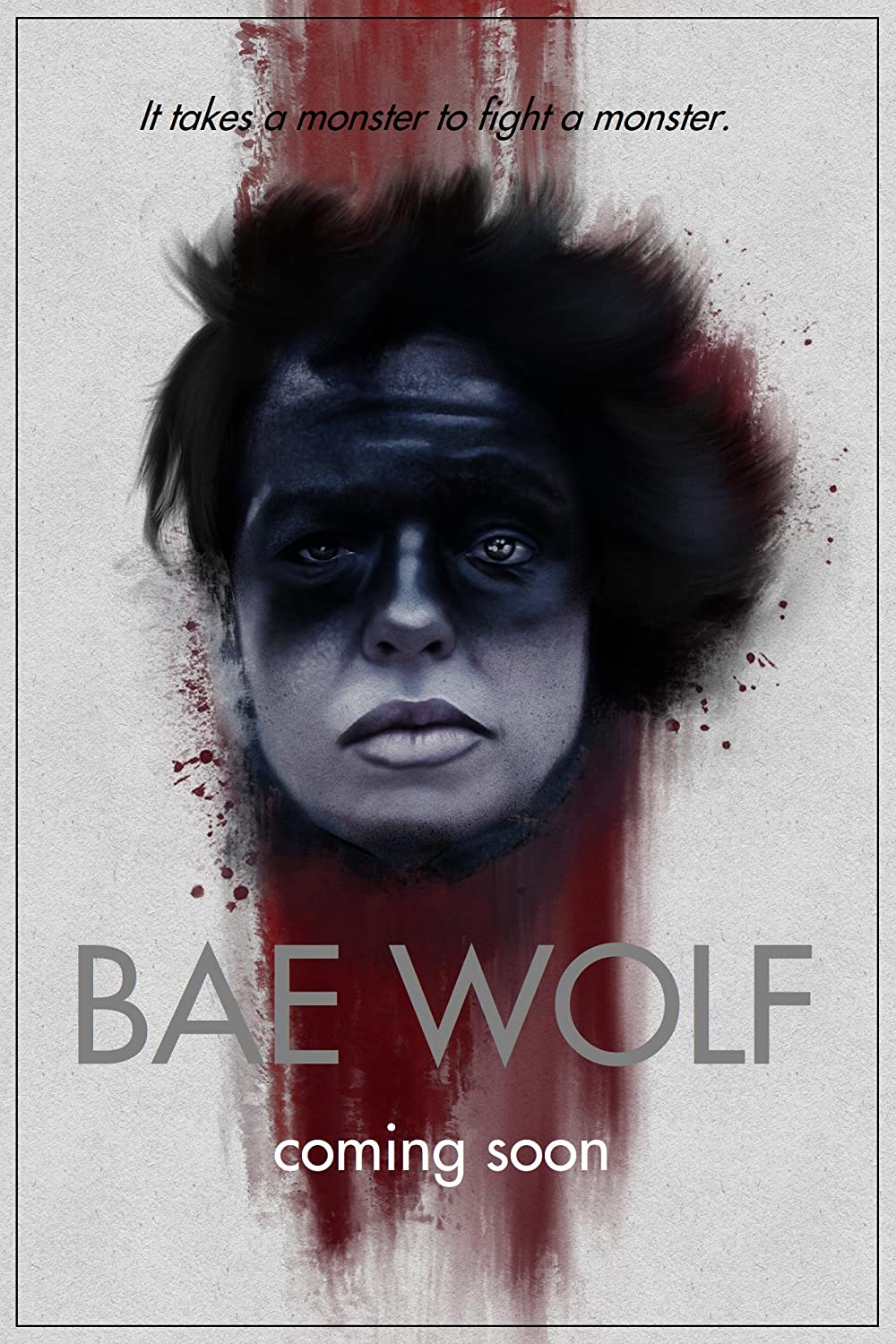
I recently had the chance to interview writer/director David Axe about his new film Bae Wolf, which provides a fresh take on the classic Beowulf legend. We discuss issues of fantasy, representation and the importance of striking monster design. I hope you enjoy.  

Q: What inspired you to make this film?

A: I was inspired by the set — a live-action roleplaying facility in Trenton, South Carolina that was convenient to where I live (Columbia) and affordable in my budget. When a resource like that presents itself, you’d be a fool not to take advantage of it. I was also inspired by one of my favourite books. GRENDEL by John Gardner. A postmodern twist on the Beowulf legend and a great political polemic.

Q: What would you say is the message of the film?

A: The message is simple. Monsters don’t always look like monsters. And kindness can be a radical act.

Q: How do you feel your film redefines stereotypes and cliches within the broader fantasy landscape?

A: My project in a lot of my movies is to create sympathy for monsters. To give hideous things humanity. With BAE WOLF, I wanted to create a heightened but believable world and populate it with desperate creatures, all of whom have the same needs. To be understood. To be loved. To be included.

Q: What inspired your monster design?

A: The monster design had to be striking but VERY simple and cheap. We were shooting in an austere location with no time and no money, after all. In my experience, a solid, bold color makes more of an impression than anything overwrought texture. So we just painted our monsters weird colors you rarely see in nature. Bright orange. Bright blue. That plus a simple prostheses — and energetic performances, of course — did the trick.

Q: What is your favourite fantasy film?

A: My current favourite is THE GREEN KNIGHT, which came out right after I finished editing BAE WOLF and scratched the same revisionist itch that drove me to make my own movie. Plus, GREEN KNIGHT is gorgeous. And it hides more than it reveals. I love that.

Q: Any future film plans?

A: In a few weeks I’m shooting a movie called ACORN. It’s about a young woman filmmaker who gets a cancer diagnosis and struggles to make her last movie — a weird, sci-fi Western. It goes badly. Also, there’s a man-eating tree. I’m also producing several movies by other directors, starting with Shawn Phillips’ WOODS WITCH.

Q: Any funny on-set stories?

A: My on-set stories are rarely funny. It’s really hard making microbudget movies. You can’t throw money at problems. So everything is a struggle. One funny thing did happen on BAE WOLF, though. I stayed on set, in a cabin. I brought along a bottle of bourbon so I could have a drink every night before crashing in sheer exhaustion. I know my cast and crew, so I hid the bottle. But those miscreants found it, anyway. Like bloodhounds. Every day that bottle got a little lighter as, I imagine, half my people slipped into my cabin to take sips they thought I wouldn’t notice. And I didn’t, at first. And then all of the sudden I was out of booze

Q: Do you have any advice for upcoming filmmakers?

A: My advice to filmmakers is simple. Don’t let anyone tell you no. Figure out how much money you can beg, steal or take from your own paycheck. Write a movie that you can shoot with the budget you have. Interesting locations are often free. Give some thought to lighting. Worry most about recording clean sound. Don’t be afraid to take chances with performances, camerawork and effects. Don’t think that an expensive camera can replace an interesting lens and strong choices. Always pay your actors, even if it’s $50 a day. Learn to edit. Once you’ve made your movie, let go of all expectations, You won’t get famous or rich, but you’ll get to tell a story.

If you would like to check Bae Wolf out for yourself then you can find it on DVD and Tubi now.

If you enjoyed this interview, then please head over to my Patreon to support me, I offer personalized shoutouts, the ability for you to pick what I review next and full access to my Patreon exclusive game reviews. Check it out!

https://www.patreon.com/AnotherMillennialReviewer

Interview With Writer/Producer/ Director Gino Alfonso: The Hostage Indiegogo

I recently had a chance to chat to Gino Alfonso about the Indiegogo campaign for his upcoming horror feature The Hostage. We discuss the pros and cons of using Indiegogo and other means of crowdfunding to make a film, creative freedom and pre-production processes.

Q: How important do you find crowdfunding as a means to provide filmmaker’s with true creative freedom?

A: I think crowdfunding is a great way for filmmakers to have the creative freedom to tell the story they want to tell and not be tied down by the studio system.

Q: Does the experience of crowdfunding your films with your fans feel more communal?

A: I feel it makes it very communal, giving your backers something tangible and moving fast helps and having the same team on your projects too.

Q: What are the things you consider when brining a film into pre-production?

 A: I always look at the 6 P’s of production Piss Poor Planning = Piss Poor Production you have to take everything into account during prepro

Q: Why should people contribute to your crowdfunding campaign?

A: I think people should contribute to The Hostage because it is an original urban horror film that will entertain and scare the hell out of you!

Q: What is your film going to be about?

A: The Hostage is about Two amateur drug dealers sell to a buyer that screws them out of $10,000 they decide to kidnap his girlfriend that unbeknownst to them is possessed by a demon looking to bring on Armageddon. In tradition of Evil Dead (2013), Trespass (1992), The Autopsy of Jane Doe (2016) and Reservoir Dogs (1993).

Q: How did you get into filmmaking?

A: I got into filmmaking at a young age when I saw Jurassic Park when I was 10 years old, that was when I learned what being a Director was and seeing Steven Spielberg’s name on the screen.

Q: Do you have any lessons for those who might just be starting out trying to make their own films?

A: Lessons in starting out and making your own films, just go out and do it there’s to many resources out there today not too build your network. Everyone wants to make movies, even if you’re in a small town there’s always an actor or 3 and someone that knows how to run a camera just go do it!  

If you would like to check out Alfonso’s Indiegogo click on the link below.

https://www.indiegogo.com/projects/the-hostage#/

If you enjoyed this interview, then please head over to my Patreon to support me, I offer personalized shoutouts, one on one Q and As, the ability for you to pick what I review next and full access to my Patreon exclusive game reviews. Check it out!

https://www.patreon.com/AnotherMillennialReviewer

Interview With Director Alexander Jeremy: Crowning

Hey Everyone. I recently got the chance to talk to Alexander Jeremy for the second time, my first ever follow up interview, about his new film Crowning, which sees a young pregnant women adapt to her changing life. In our interview we talk about silent cinema, corner shops and hiding in bushes.

Q: How would you describe this film in a word?

A: Weird.

Q: What do you feel this film says about pregnancy and the idea of it?

A: I guess it kind of challenges our presumptions, you think she’s one thing and then she’s not. We see pregnant women as sacred and in need of care, but we thought we’d play with this.

Q: A few of your films have heavily featured a corner shop is there a deep meaning or wider connection there?

A: It doesn’t have a deeper meaning other than its the corner shop closest to my house! I know the guy who runs it, and he lets me film in there!

Q: How did you find filming this film in lockdown compared to the experiences of Milkrun earlier?

A: I’d learnt a lot from Milkrun, mainly that i can’t do everything by myself! I still wanted it to be no-budget (about £500 budget all in!) but I wanted it to have more polish than Milkrun did. So I got in some great people to help me out.

Q: When the character enters her home and says something to the effect of ‘I’m home’ who is she talking to?

A: She’s talking to her imagined husband. She creates a dreamworld for herself, the perfect pregnant woman with the perfect house, home, jewellery etc. She’s a bit mad – but I guess it’s a comment that the writer Hannah was trying to make about desperately trying to live or aspire to a certain life, even if it causes you much pain and makes you delusional.

Q: Do you have any funny on set stories?

A: I mean, there were so many shots in the rushes where I was just in the background, using my phone as a wireless monitor. I just stand there in the background like a freak. We’d have to cut a lot because I just kept popping up. What a fool!

Q: Sparse dialogue is used with deliberate intent here, what were you trying to convey with it?

A: It’s a style I’m playing with at the moment, sort of a development of silent cinema, but then combining that with modern equipment, cameras – ambient sound etc. It also helps us with budget, so there is no need for sound recording! How does the Crowning make you personally feel? I don’t know. Again, I like playing with style, trying things – I often don’t really know what it means but it definitely makes me feel something. I just try to follow that (whilst maintaining a somewhat coherent narrative.)

Q: Sequel plans, what’s next for you?

A: No sequel plans, but I’m potentially thinking of developing this kid of style into a feature film! An almost silent feature. I think it could be cool, using the low-budget approaches I’ve been developing, trying new things etc. I also have a more conventional bigger budget short I am in post with at the moment called The Spaceman, which stars Amanda Abbington, Woody Norman and someone else I can’t mention yet! Stay tuned.

You can check out Crowning on Youtube now, and as always my review is also up on the site now.

https://www.patreon.com/AnotherMillennialReviewer

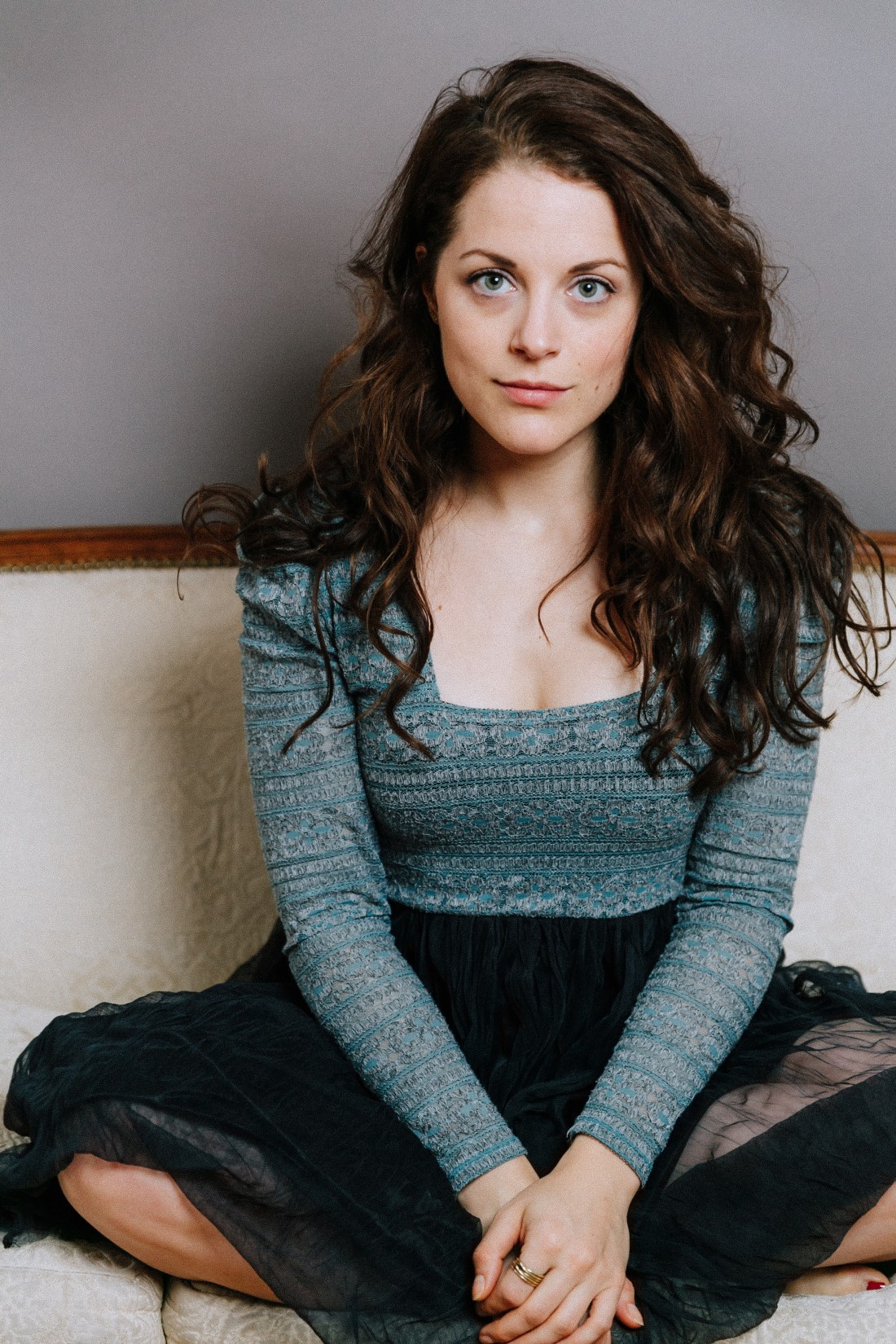
Interview With Actor/ Singer/ Dancer Kaylee Harwood

Hey Everyone, I recently had the chance to talk to Actor/Dancer/Singer Kaylee Harwood, we talk about everything from the Tonys, to life on set, and role preparation.

Q: What has been your favourite production to be a part of so far in your career and why?    

A: My two years on tour with Beautiful: The Carole King Musical definitely offered the most varied of my experiences so far. We played a lot of major cities all over the US and Canada, some of which I’d been to before, and some of which I got to visit for the first time. We’d stay in each city anywhere from one week to two months, which can give you a great sense of a place. For someone like me who loves traveling (on par with my love of performing), it was a huge highlight. Not to mention the incredible music we got to hear and perform every day. I was a swing, which meant I had to keep five roles (including Carole King) in my head at all times. I could be called on to perform anytime, sometimes weeks in advance and sometimes even in the middle of the show. It really kept my creative mind engaged. 

Q: What drew you to the theatre in the first place?  

A: I have always been around the performing arts (watching and doing) but I was relatively late to Theatre. Even though it seems obvious to me now that my interests as a kid were in preparation for the career I have now, I was pretty timid to audition for Theatre, coming from a classical dance and singing background. I had a number of excellent teachers and mentors who helped me bring all these skills together. As an audience member, I am grateful for early exposure to Theatre through my family. Musicals, plays, chamber music, concerts, etc. Certainly once I found my personal love of performing, there was an uptick in the number of productions I attended. Once we’re through this madness of the pandemic, I can’t wait to sit alone with strangers in the dark again. It’s my favourite thing. 

Q: How would you say a theatre production differs from that of a film/game or TV production?

A: So far, I have much more experience in Theatre, but from my time on set and recording VO, the rehearsal time is a huge difference. Not-for-profit Theatre in Canada commonly has about 3 weeks of rehearsals (8 hours per day, 6 days per week) before putting it in front of an audience, and even then we hardly ever feel ready. Stepping onto a set having only rehearsed my lines at home and doing my own personal work is a whole different thing. It’s exciting and only mildly terrifying to know that what you do on the day is preserved for eternity on Netflix for all to see! The anticipation of an audience in Theatre, on the other hand, is exciting and terrifying in its own way. Will they laugh when we think they will? How do we know if this bit is working? That sort of thing. Along those lines, another difference is the exchange with the audience. I love being on stage or in an audience, part of the collective experience. Some people think we can’t hear or see them out there in the darkness, but we sure can. As for VO, I voiced a video game last year and when it finally came out it was fun to find my characters!

Q: What is your process? How do you slip into the mind of your subjects? 

A: I don’t have a strict process that I carry into every role, per se. It’s a varied approach based on the needs of the story or character. I do heaps of research, no matter what. Sometimes I have accent coaching, depending on the role. Sometimes the vocal or physical demands of a role are such that I do specific training, but bare minimum I like to come into any process having done as much prep as possible, with an openness and adaptability to whatever transpires. The key is staying flexible, I think. I don’t perceive my job to be putting on the life of someone else. I think of it more as stripping down to my bare bones, trusting the director to guide with heart, and becoming part of something greater than myself. If I lead with expectation or ego it all just goes badly. 

Q: What do you do in your down time in-between rehearsals? 

A: Pre-shutdown, my M.O. was constant travel. Even when on tour, if I had a few weeks off, I would go somewhere new. Between contracts, I’ve been known to just pick up and fly wherever I could get the cheapest deals, to the point that for the longest time I didn’t have a fixed address. But in recent years I’ve found a slower pace and a lovely landing pad. I’m itching to get back out exploring again once it’s safe. 

Q: Talk us through what an average day is like on set or stage for you?

A: Completely different from each other. Namely the hours. Once I’m into a run of a show, I sleep late, go about my day (if there’s no brush-up rehearsal or matinee), late lunch/early dinner, off to the show, and unwind after. On set, the hours are much longer, and it usually starts earlier with hair and makeup, then wardrobe, blocking rehearsal, chill while they work their magic, then off to the races. Completely different, both excellent. 

Q: Do you have any funny stories?

A: When I was doing the revival of Jesus Christ Superstar on Broadway, we had a bunch of press appearances. I was in the ensemble and we backed up Judas on the title song, which we often performed for TV spots, etc. I had a really neat dress that looked like a tent with all sorts of zippers and pockets and folks always commented on it. One day, we were performing on The View and Whoopi Goldberg got into the elevator right after me and asked where my dress was from. I had to confess that they built it for me. Once off the elevator, I asked Whoopi for a photo, quickly realizing I didn’t have my phone on me (having just performed), so the next words out of my mouth were, “Wait here!” Off I ran to get my phone like such a nerd, and sure enough when I came tearing back around the corner, Whoopi was there waiting. That dress was also a conversation-starter with Jessica Chastain backstage at the Tonys. I was making an entrance from the same wing as her, and like clockwork she asked where the dress was from (she was wearing a stunning gown, of course). I had to break her heart as well. She told me she was very nervous about having to go on stage to present, and I told her I was nervous about dancing, but then my music cue started so there was no time to dilly-dally. 

Q: Who was the most interesting person you have ever worked with?  

A: Maybe only interesting to me, but nonetheless… I did a couple episodes of a TV show called Reign and my first day on set was directed by Megan Follows, who is a legend. Canadian royalty. She starred in the Anne of Green Gables miniseries in the 80s. I had grown up obsessed with this series and like many young Canadians thought I was Anne Shirley. My first day filming, I was all alone, just seen through a castle window, so I didn’t have to pull myself together to say any of my lines, thank goodness. But she came up to introduce herself and I was melted butter.  It was such a full-circle moment, and she was so gracious and encouraging. 

Q: What would be your dream project?

A: I love being part of new work. It’s any actor’s dream, I think, to be in on the ground floor seeing something take shape. I love working with writers in the room, and I feel honoured to have had many opportunities in my career to do so. I think my next dream would be being part of an Original Cast Recording of a new show.

To hear more check out Harwoods podcast https://linktr.ee/MCUandMePodcast 

Photo credit Kristine Cofsky.

I hope you enjoyed the interview.

If you enjoyed this review, then please head over to my Patreon to support me, I offer personalized shoutouts, one on one Q and As, the ability for you to pick what I review next and full access to my Patreon exclusive game reviews. Check it out!

https://www.patreon.com/AnotherMillennialReviewer

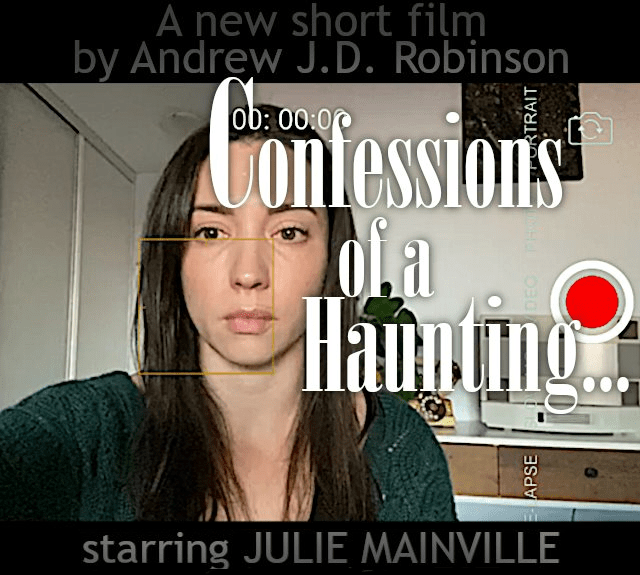
Interview With Andrew J.D Robinson: The Writer/ Director Of Confessions Of A Haunting

Written by Luke Barnes

Hey Everyone! I recently had the chance to chat to Andrew J.D Robinson, the writer director behind Confessions Of A Haunting, a short film wherein a grieving character receives a message from the other side. We talk, ghosts, ghouls and of course David Lynch, I hope you like it.

Q: If you had to sum the film up in one word what would it be?

A: ‘Catharsis’.

 Q: Who is your filmmaking inspiration?

A: Cinema is a powerful medium that’s both provocative and a rewarding trade to create in. It brings in all of my passions with the arts, and any project can demand different elements. When it comes to what inspires me to have storytelling be one of my callings in life, I’m inspired by the need to reach others whether it’s to arrive to some nuanced deeper feelings together or simply to entertain (which the horror genre has been a lot of fun to dedicate to) as if these stories are little amusement park rides. There’s been many filmmakers who’ve inspired me or helped me find my voice, but pound-for-pound David Lynch’s work, despite how many times I continue to revisit them, continues to fan that ember in me to want to take something familiar and twist it; to in a sense boil it down to its roots, in an attempt to really connect something for the viewer that they perhaps may not arrive to with your regular scheduled programming.

Q: What was your catalyst for making this film?

A:  I certainly strived to create an inner dialogue for viewers who could see themselves relating to this push-pull angst experienced between loved ones, but also in hopes they receive to its bottom line message.

 Q: What was your message with this film?

A: Its bottom line message is ‘Don’t become the evil that this world gave you and give it to someone else’. In this case it’s those feelings of neglect, abandonment etc that our protagonist expresses that her late father caused her; how it’s haunted her up until this point in her life despite, yet her daughter tries to play with her and she sidelines, implying his ‘cycle’ of a lack of expressed and attentive love is generational, which many can relate to. Its supernatural twist, that her father tells her to break the cycle, is his way of wishing better for her and hers.

Q: Do you have any funny on set stories from the production?

A: Hehe well this film was produced remotely so there was no face-to-face anecdotes. Julie, however, is a great personality, but we executed the project virtually via text where we carved it out and after some back-and-forth she went ahead and recorded what is the only take she sent me. She killed it and then I handled the rest in post-production.

 Q: How much is your film a comment on grief and coping?

 A: The film is absolutely a commentary on grief and coping; a showcase of it. I find too there’s people I’ve met in my life who aren’t as upfront or confronting with ‘how they feel’; they’re more lost in subtext, which always motivates me to write characters who get right to it and ‘let you in’, especially about grief which permeates through everything. It’s almost the elephant in the room.

 Q: How did you decide to include the supernatural twist in the film?

A: To have the father’s ghost tell her to ‘break the cycle’ is a paradox where (1) if you believe in ghosts, then this is a lovely ‘arrival’ for the protagonist in her life, but (2) I’m certain many of us feel that life won’t work out this way like it does in the movies where we may catch onto having a second chance… so for those who receive to it, they can reflect how ‘they themselves’ have to recognize they need to understand the past in order to not repeat it.

Q: If you could go back in time to when you were a novice filmmaker first starting out what advice would you give yourself?

 A: For one, where I am now is one of the most happiest places I’ve been with filmmaking where I know my ‘why’. My why isn’t to turn profit, to chase Hollyweird, or to ‘prove something’, rather, I just enjoy doing it. I enjoy the people I can meet. Naturally you’ll run into all sorts of ‘characters’, but for the most part I can say with a straight face that I’ve collaborated with some of the most genuine people who love stories, love becoming part of stories, just as much as I am. The fact we can ‘create art’ and not just be machines or something is wonderful, and it doesn’t have to take a lot to make a project. So what I’d tell myself back then would be that the enjoyment won’t come at the ‘destination’, but in ‘the journey’; the journey shared with your peers and viewers who receive to your weird little movies lol. Nevermind about trying to be ‘the best’ or if you have the right gear etc etc… find out asap ‘why’ you even do this just like when you were younger when you’d draw ‘just because you enjoyed to; absent of any well if you’re going to spend so much time on something, you better be making money from it’ mentality so rampant. ‘Passion’ should always be Plan A with our limited time here. That’s what I would remind the very stressed, hyper, and insecure past filmmaker I was coming up lol.

Q: If you ever won an Oscar or other award who would you thank in your acceptance speech?

 A: I’d have to thank my family for always telling me they just want me to be happy with whatever I do in life, with never expecting me to go to University and become a doctor or something. I’d thank everyone who not only ‘believed in me’, but invested their dreams into me, entrusting themselves in me to lead them through the unknown and these ‘visions’, these projects together. For everyone inside and outside of filmmaking who give me their time and energy, that’s the most valuable thing you can give to someone: their time. Let alone finding people along this adventure who wish to ‘share time’ with you, I owe everything to them, because it’s immeasurable how much and how far that can take someone.

If you would like to check out Confessions Of A Haunting you can find it on Youtube now, and as always I have a review of the film up of site now!

Interview With Ross Munro: Writer/ Director For European Tour 73

Hey Everyone! I recently had a chance to interview Ross Munro, the writer director behind European Tour 73 a documentary film with animated elements about Monroe’s family holiday to Europe when he was a child. We discuss, travel, family and Fellini. I hope you enjoy.

Q: If you had to sum up European Tour 73 in a word what would it be?

A: Memories

Q: Who is your filmmaking inspiration?  

A: Fellini for his wild inventiveness and powerfully visual poetic sense combined with his dreamlike sensibilities and almost child-like sense of nostalgia. I grew up going to movies in the early 1970s so the New Hollywood filmmakers like Scorsese and Altman were also a big influence. More currently I’m excited by Tarantino and PT Anderson.

Q: What was your catalyst for making the film?

A: As both my mother and father have passed away, I felt compelled to make “ET’73” as a loving tribute to them and their memories and, in a way, to immortalize this crazy trip they took us all on back in 1973 as it seemed like a seminal event that really defined and brought us together as a family.

Q: If you could go back in time to when you were first starting out as a filmmaker what would be some advice you would give yourself?

 A: I would tell myself to break through the fear that I had about moving forward to make films and that it’s okay to make “mistakes” as they are actually learning experiences that in the long run will make you a better artist and person. Also, try and take a little time to absorb and enjoy the journey of making your films and don’t worry so much about the destination down the road. Also, always try to seek out like-minded, passionate collaborators.

Q: What made you decide to include animation in your film?

A: With “European Tour ’73” we knew from the beginning that we wanted to tell the story of our family’s trip to Europe using every visual element in the cinematic toolbox- along with the core of Super 8mm film that composed the heart of the film, we used stock footage, photos, live action footage that we shot and so animation was the next logical extension of how to tell our story. It was quite exciting to work with the animator on these segments and really added a new, exciting dimension to our film that viewers have repeatedly commented on favourably. I’m actually planning on doing more original animation for our next documentary as well.

Q: How did you decide on the balance between animation and stock footage within your film?  

A: The goal was always to just punctuate our film with the animated segments to add depth and humour and insight to the proceedings- of course once the film was completed I had more ideas that I would have loved to see in the film but, alas, that’s always the case when you look at a finished film: you always see the things you wish you’d included.

Q: What would you say the message of European Tour 73 is?

A: Oddly, I’ve never been asked that before. I’d say the message is to appreciate the time you are gifted on this planet to spend time with your family and loved ones. Even though the film is very joyful I can’t but help to feel also a small sliver of sadness that my parents and my eldest brother Jim- who passed while we worked on the film- never had a chance to see “European Tour ’73” as it’s a testament to my memories of them as much as anything.

Q: Within the family unit how important do you think shared experiences are?

A: I think you can’t overstate the importance of shared family experiences- especially growing up. My parents always strived to raise us in a manner where myself and my five siblings always did things together- the trip to Europe back in 1973 being the highlight of that philosophy. Because of their efforts to have us do things constantly as a family unit, I was able to move on through life having a great relationship with all my brothers and sister- almost like we are friends. This bedrock foundation is absolutely a direct result of my parents notion that we share as much time as possible as a family growing up.

Q: Would you one day take your kids (or potential kids if you don’t have any yet), on the same tour?

A: Not having kids (I guess my movies now represent my children- and how naughty they’ve been let me tell you…!), I’ve never had to contemplate this undertaking but one of the reasons I undertook this movie was also that I was amazed that my parents would actually bring all of us small kids barnstorming around Europe all tightly packed into a camper van for 6 weeks! Also, it seems crazy to me that I’ve never returned to Europe since that trip nearly 50 years ago! My wife, Maria, (who’s also the Producer of the movie as well as most of my past and future movies) and I really want to go to Europe someday soon and we look forward to screening our film in the many countries I visited in the film. This would, in a way, bring the whole journey of “European Tour ’73” full circle.

If you want to watch European Tour 73, it is currently playing on the virtual film festival circuit and will be playing in Canadian cinemas once the pandemic is under control, as always I have a review up on my site now!